
Last updated October 30, 2026
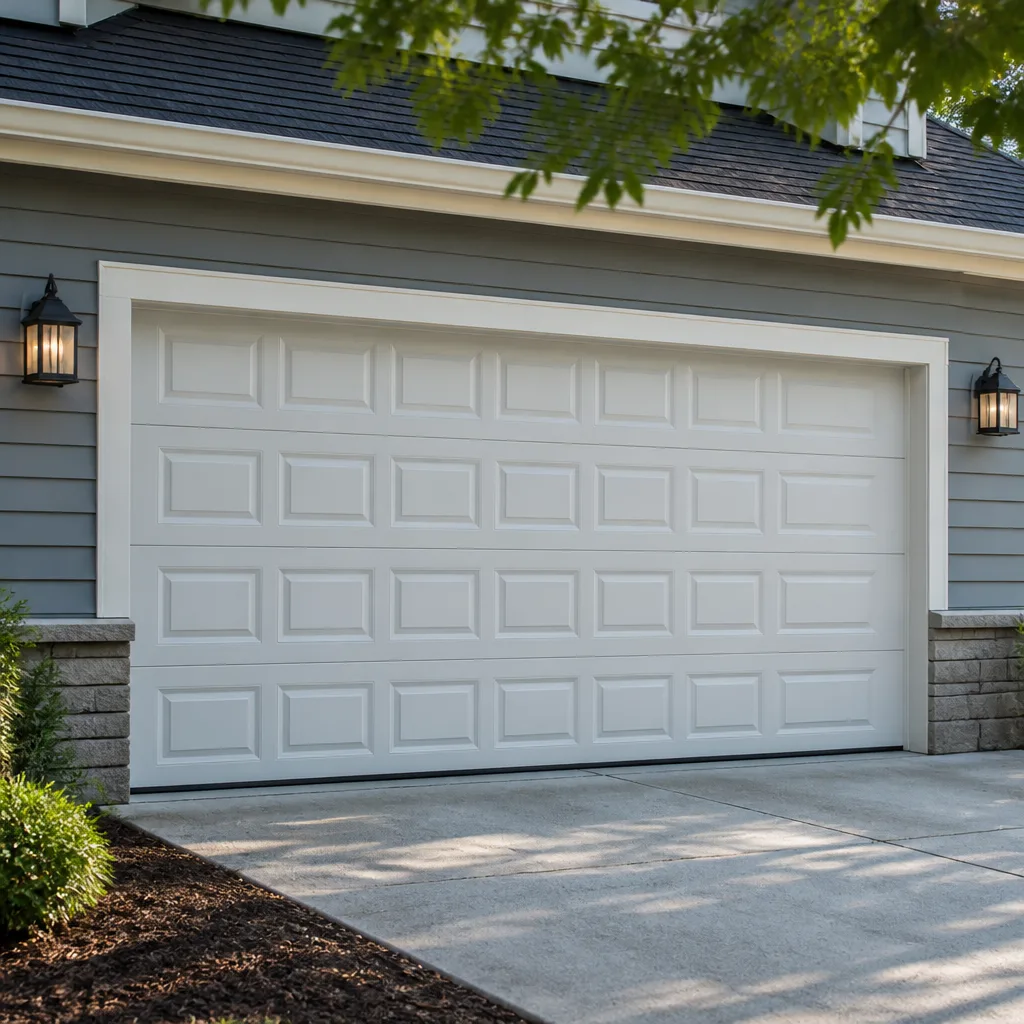 Raised-panel steel
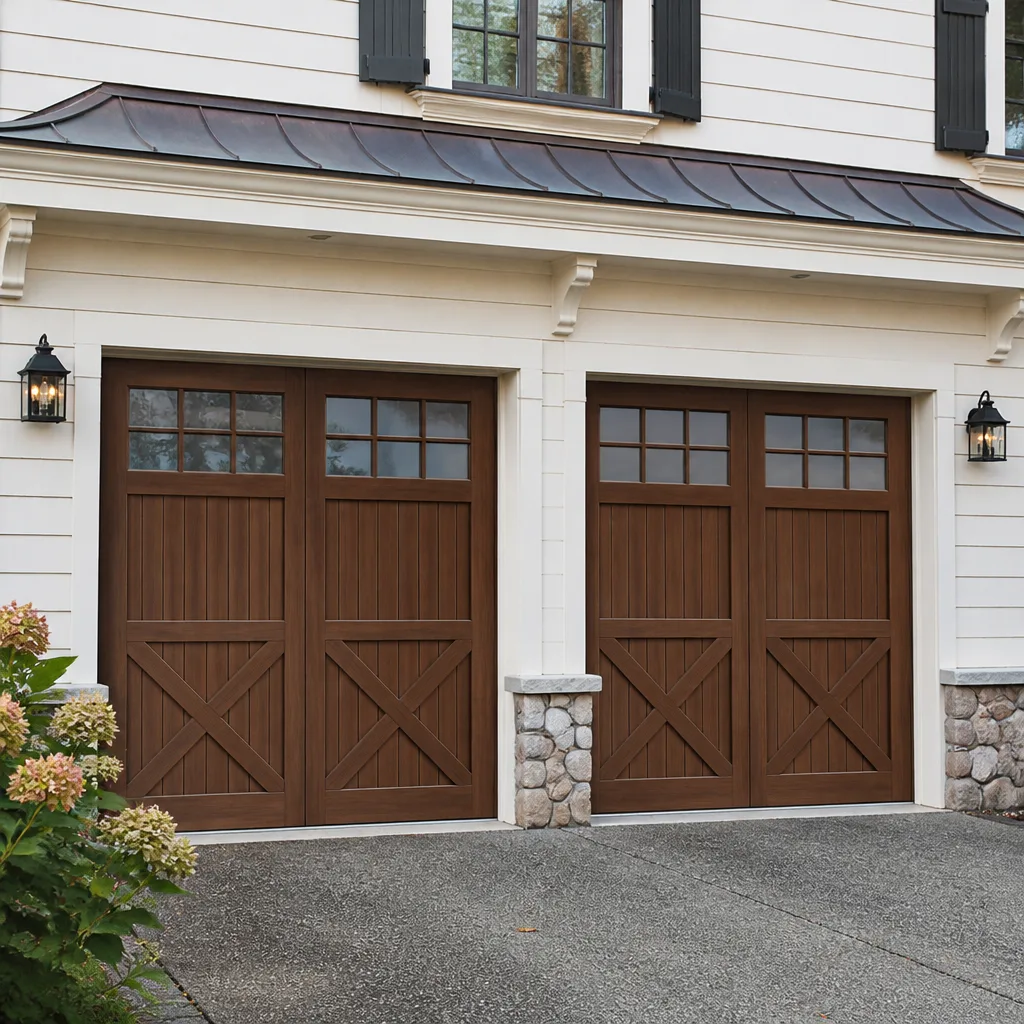 Carriage house
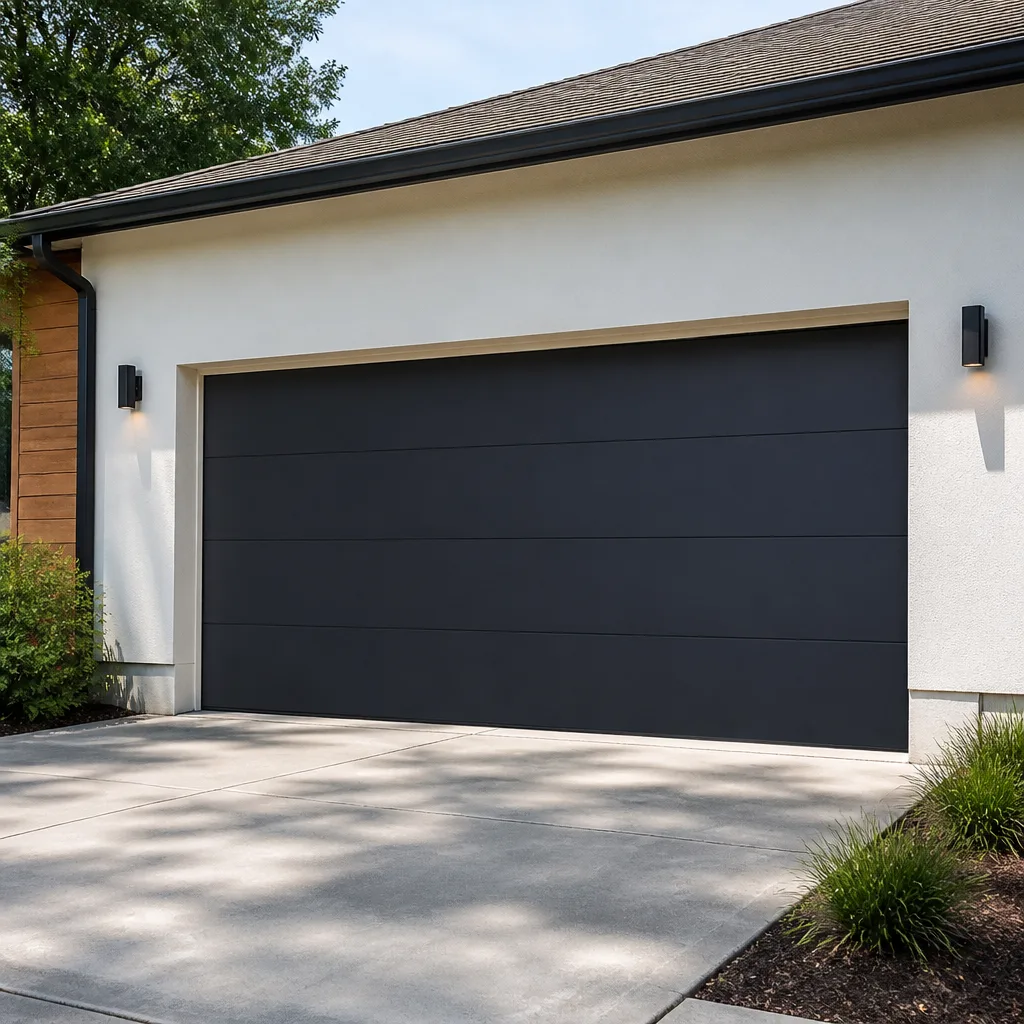 Modern flush
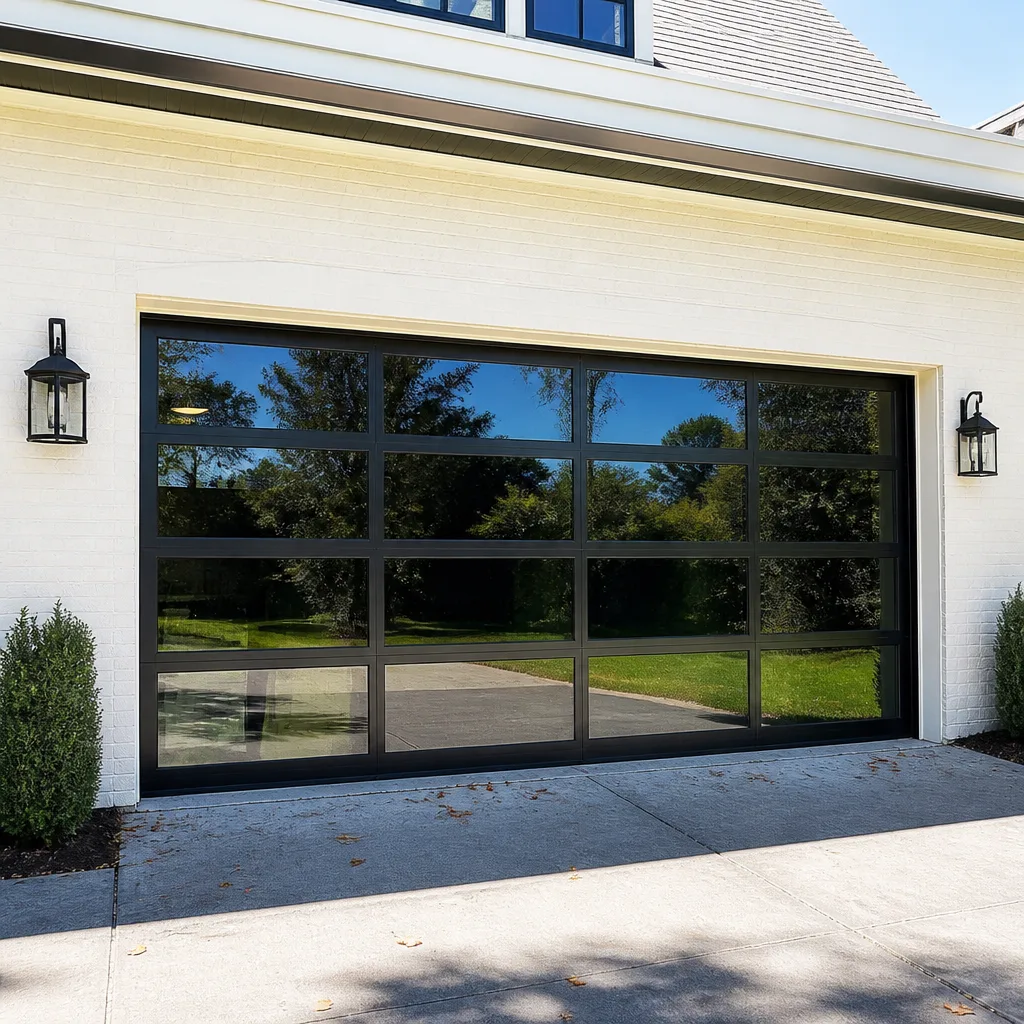 Full-view glass
 LiftMaster openers
 Chamberlain openers
Full 25-point door and opener safety check with every visit - springs, cables, rollers, tracks, and your LiftMaster or Chamberlain opener included
You get a price before we start. It does not change when the truck arrives.
Get your free estimateGarage Door Permits, Codes & Inspections in FL: What You Need to Know
A garage door installed without a permit in Florida isn’t just a code violation. It’s a documented liability that can surface at the worst possible time: during a storm claim or a home sale. Most homeowners in West Palm Beach never think about their garage door until it stops working. Then they discover the paperwork matters as much as the hardware. This guide explains Florida’s permit requirements, the wind-load codes that make our state different from 46 others, and what happens when an inspection fails. We’ll also cover who is legally responsible for pulling permits: you or your contractor.
Quick Answer
In Florida, any garage door replacement or new installation requires a building permit, while minor repairs like spring replacement, panel realignment, or opener repair typically do not. The permit exists to verify the door meets Miami-Dade or Florida Building Code wind-load standards for your specific location. In Palm Beach County, that often means a High Velocity Hurricane Zone (HVHZ) rated product. Expect to pay $50 to $200 in permit fees, plus a third-party inspection that checks anchorage, product approval numbers, and pressure-rating labels.
Styles & brands we work with
Table of Contents
- When Florida Building Code Requires a Garage Door Permit
- When You Genuinely Do Not Need a Permit
- West Palm Beach Wind-Load Requirements and the HVHZ Designation
- Who Pulls the Permit: Contractor vs. Homeowner Responsibility
- What a Third-Party Inspection Actually Checks
- What a Failed Inspection Means for Your Timeline
- How Unpermitted Garage Door Work Shows Up Later
- What Permits Cost in Palm Beach County
- Common Mistakes to Avoid
- When to Call a Professional
- Frequently Asked Questions
When Florida Building Code Requires a Garage Door Permit
Florida Building Code, Residential Volume, Chapter 1, Section 105 requires a permit for any garage door that is removed and replaced. That includes the full door assembly: panels, tracks, hardware, springs, and weatherstripping. It also covers converting a single-car opening to a double, enlarging a rough opening, or installing a door where none existed before. The code treats a garage door as a structural element, not a cosmetic one. This is because garage doors are the largest single opening in most Florida homes, and when they fail during a storm, they allow wind pressure inside that can lift the roof off.
Several specific scenarios legally trigger a permit in Florida:
- Full door replacement: Removing the existing door and installing a new one, regardless of whether the opening size changes.
- New installation: Adding a garage door to a structure that previously had none, or building a new garage.
- Structural modification: Changing the rough opening dimensions, adding or moving header supports, or reinforcing the surrounding wall.
- Wind-load upgrade: Swapping a non-impact door for an impact-rated door to comply with insurance requirements.
- Door conversion: Converting from a two-single-door configuration to one oversized door, or vice versa.
In West Palm Beach, which sits inside a High Velocity Hurricane Zone, the permit requirement is enforced with particular seriousness. Our team has seen homeowners attempt to skip the process by calling a door replacement a “repair” in the permit application. Building officials in Palm Beach County review the scope of work, not just the label you put on it. If the door comes off the tracks and a new one goes in, the scope is replacement and the permit is required. We work on doors across eight major brands, and this rule applies equally to a Chamberlain opener system, a Clopay door, a Wayne Dalton door, or any other manufacturer. Brand doesn’t change the code.
When You Genuinely Do Not Need a Permit
Not every garage door service call involves a permit. In fact, a large portion of what we handle in West Palm Beach is repair work that falls outside the permit requirement entirely. The general rule: if the work restores the existing door or opener to its prior functioning state without changing the door assembly or structure, no permit is required. The Florida Building Code is clear on this distinction, though many homeowners are understandably confused by it.
Common scenarios that do not require a permit:
- Spring replacement: Replacing broken torsion or extension springs on the existing door.
- Cable replacement: Swapping out frayed or snapped lifting cables.
- Opener repair or replacement: Replacing the motor unit, circuit board, safety sensors, or remote controls. Openers are electrical devices, not structural elements.
- Panel repair or single-panel replacement: Replacing one damaged section of the existing door with a matching section, without removing the entire door assembly.
- Track realignment and roller replacement: Restoring the existing door to proper function.
- Weatherstripping and seal replacement: Cosmetic and efficiency work, not structural.
- Adjustments and maintenance: Lubrication, hinge tightening, balance adjustments, and sensor alignment.
However, there’s a catch that catches West Palm Beach homeowners off guard. If you replace an entire door because of storm damage, and your insurance company pays the claim, the insurer may require documentation that a permit was pulled and that the replacement door meets current wind-load code. Knowing the warning signs of trouble early can help you avoid emergency replacements. Even if the county doesn’t catch it, your insurance company might. That’s a good reason to be conservative about the permit question. When in doubt, a quick phone call to the Palm Beach County Building Division or a conversation with a knowledgeable garage door company can settle whether your job requires documentation.
West Palm Beach Wind-Load Requirements and the HVHZ Designation
West Palm Beach sits in what Florida building officials call a High Velocity Hurricane Zone. The HVHZ designation applies to Miami-Dade and Broward counties entirely, and to Palm Beach County under specific wind-speed maps. This is not a bureaucratic label. It’s the difference between a garage door rated for 140 mph wind gusts and one rated for significantly less. The HVHZ requirements in Florida are stricter than anywhere else in the United States. And in our experience, they’re also more frequently misunderstood by homeowners who have moved here from out of state.
The HVHZ standard means a garage door must carry a product approval number from Miami-Dade County or the Florida Building Commission that certifies the door has been tested for specific wind pressures and missile impact resistance, depending on your exact location within the county. The testing simulates what happens when a 2×4 travels at 34 mph into the door face. A door that passes this test, or a door engineered with enough pressure resistance to make it unnecessary under code, is what your permit application needs to reference.
Here’s what the HVHZ designation affects in practice for a West Palm Beach homeowner:
- Product selection: Not every garage door sold in Florida is approved for HVHZ use. You need a door with the right product approval documentation.
- Anchorage requirements: The door must be attached to the structure with specific fasteners at specific spacing. Aesthetic trim is not structural anchorage.
- Track and hardware ratings: The tracks, hinges, and struts must match the wind-load rating of the panel system.
- Inspection documentation: Your permit file must include the manufacturer’s product approval drawings and installation specifications.
- Insurance verification: Many Florida insurers now ask for proof that the garage door meets current HVHZ standards when you buy or renew a policy.
In West Palm Beach specifically, the wind speed used for design varies slightly by location within the city. Homes closer to the Intracoastal Waterway face different exposure categories than homes further inland near neighborhoods like Riverwalk or Ibis. The building official reviews your address and applies the correct design pressure. This is not something a homeowner should eyeball. We’ve also seen cases where a homeowner bought a “hurricane rated” door online, from a national retailer, only to learn at inspection that the model didn’t carry the right Florida product approval for Palm Beach County. The brand name, whether it’s Amarr, Wayne Dalton, or another manufacturer, matters less than the specific approved model and its documentation. Our team verifies product approvals before we ever schedule an installation in West Palm Beach.
Who Pulls the Permit: Contractor vs. Homeowner Responsibility
Florida law has a clear answer on this question, though it surprises a lot of homeowners. In Florida, the contractor performing the work is legally responsible for pulling the permit when a permit is required. That rule comes from Florida Statute 489, which governs construction contracting. A licensed contractor who performs work requiring a permit and doesn’t pull it is violating the law, not just a county ordinance. The homeowner can pull a permit as an owner-builder in some situations, but that comes with its own requirements and liabilities.
The practical landscape in West Palm Beach looks like this:
- The contractor applies for the permit through the city of West Palm Beach or Palm Beach County, depending on the property’s jurisdiction. Some parts of the city fall under county permit authority, others under municipal.
- The contractor submits product approvals showing the new door meets HVHZ and wind-load requirements for the specific property address.
- The contractor schedules the inspection after installation. The inspection is often performed by a private third-party inspector approved by the jurisdiction.
- The jurisdiction issues final approval and the permit is closed permanently in the public record.
This system means the homeowner has a lever when hiring. If a contractor tells you “we don’t need a permit for this replacement” and the scope clearly involves a full door replacement, that’s a red flag. It signals either inexperience with Florida code or a willingness to cut corners. A couple of West Palm Beach contractors have lost their licenses over exactly this pattern. For our part, Langston Garage Door Repair operates as a specialist, not a generalist handyman, and we treat permitting as part of the job, not an optional add-on. Garage doors are all we do, so the permitting workflow is something we handle on a regular basis, for doors from every brand we service.
What a Third-Party Inspection Actually Checks
In Palm Beach County, most garage door permit inspections are performed by private third-party inspection firms that are approved by the county or the city of West Palm Beach. This is different from other states where a city code enforcement officer might stop by. The third-party system is designed to speed up the process because these inspectors are specialists. They know garage door code the way a cardiologist knows heart conditions.
Here’s what the inspector actually verifies during a typical West Palm Beach garage door permit inspection:
- Product approval label and documentation: The inspector confirms the exact product installed matches the product approval number listed on the permit application. This is a match-the-serial-number level of scrutiny.
- Wind-load rating and design pressure: The installed door must carry a pressure rating equal to or greater than the design pressure for your address on the permit documents.
- Anchorage and fastener verification: The inspector looks at how the track and jambs are fastened to the building structure. Specific fastener types, sizes, and spacing are required. Visual inspection is sufficient for most of this; destructive testing is not part of the normal process.
- Jamb and header condition: The surrounding structure must be sound. Rotted wood and cracked concrete don’t pass. The door is only as strong as what it’s anchored to.
- Operational and safety function: The door must be balanced, the auto-reverse safety sensor must function, and the opener must be installed per code if one is present.
- Final closeout documentation: The inspector files the approval with the jurisdiction, which closes the permit. This is the official record you’re after.
The entire inspection usually takes 20 to 30 minutes. If the work was done correctly and the paperwork is correct, the approval is routine. In our experience in West Palm Beach, the most common failure point is a documentation mismatch, not a physical installation problem. For example, if the permit lists a Raynor door but the installed inventory number is a slightly different Raynor model, the inspector will flag it. This is where single-trade specialization helps. A company that handles garage doors every day, across brands like Amarr, Clopay, Wayne Dalton, and Raynor, is less likely to file mismatched paperwork than a general contractor who does a garage door twice a year. From opener to overhead panel, we handle the documentation as carefully as the hardware.
What a Failed Inspection Means for Your Timeline
A failed garage door inspection is not the end of the world, but it does restart the clock. The third-party inspector files a correction report, and the contractor has a set window to fix the issue and schedule a re-inspection, which usually comes with an additional fee. Understanding this process before you start your project prevents surprises and angry phone calls at the end.
Here’s what a typical West Palm Beach failed-inspection correction sequence looks like, step by step:
- The inspector files the correction notice: The report states exactly what failed and why, in code language. The permit stays open.
- The contractor reviews the notice: A competent contractor knows what needs to change immediately. This is where brand fluency and experience matter. A mismatched product approval is a documentation problem; an improper anchorage is a physical problem.
- The contractor corrects the issue: Documentation issues are usually resolved the same day. Physical corrections, like adding fasteners or replacing a damaged jamb, may require additional work time and materials.
- Re-inspection is scheduled: In Palm Beach County, re-inspection appointments typically happen within a few business days, depending on the inspector’s availability.
- Final approval is filed: Once the inspector signs off, the permit closes and the official record is complete.
Timeline impact in West Palm Beach: a straight pass adds zero days beyond the installation itself. A correction notice adds three to seven days in most cases, mostly driven by inspection appointment availability. If a physical correction requires ordering a different door or special hardware, the delay can stretch to two weeks or more. This is why we tell homeowners in West Palm Beach to ask their contractor about the inspection record before signing anything. Contractors who have a track record of first-pass approvals are faster. Contractors who routinely fail inspections are slower, even when their price looks identical. One call to the permit office can tell you how many garage door permits any contractor has pulled and how many failed first inspection, which is data that a lot of homeowners never think to check.
How Unpermitted Garage Door Work Shows Up Later
Unpermitted garage door work has a way of surfacing at precisely the most inconvenient moment. In Florida, we have a real estate culture built on disclosure, and home inspectors look at garage doors more carefully here than they do in most states, specifically because of the wind-load and insurance implications. A garage door that was replaced without a permit will not stay hidden forever.
The most common ways unpermitted work surfaces in West Palm Beach:
- Home inspection during a sale: A buyer’s inspector notices the door is newer than the house but there’s no permit on file. The buyer’s lender or insurer may require resolution before closing.
- Insurance claim investigation: After a storm, if your garage door fails and you file a claim, the adjuster may pull permits. No permit, no payment, in many cases. This is the worst time to find out.
- Insurance underwriting review: Many Florida insurers now verify garage door compliance before writing a new policy or renewing. If the door doesn’t have a closed permit with HVHZ approval, the insurer may decline to cover the home or exclude wind damage.
- Title search and lien history: Unpermitted work can complicate refinancing. Some lenders now check permit records against property condition reports.
- Code enforcement notification: Neighbors rarely report a garage door, but a code enforcement sweep connected to another issue on your property can flag an unpermitted door.
The cost to resolve unpermitted work retroactively is almost always higher than pulling the permit upfront. You may need to have the door re-inspected, bring it up to current code if it wasn’t, and pay double permit fees in some jurisdictions. And if the contractor who did the work has disappeared or gone out of business, the liability falls squarely on you, the homeowner. This is another argument for choosing a contractor who treats permits as non-negotiable. When we handle a garage door installation in West Palm Beach, the permit is handled as part of the project from day one, not as an afterthought. It protects you at the closing table and during the next hurricane season.
What Permits Cost in Palm Beach County
Garage door permit fees in Palm Beach County vary depending on whether your property falls under city of West Palm Beach jurisdiction or unincorporated county jurisdiction. In general, you should budget between $50 and $200 for the permit fee itself, separate from the cost of the door and the labor. This is a small fraction of the total project cost, but it’s the part homeowners most often ask about because it’s a fixed, visible line item.
A typical garage door permit cost breakdown in the West Palm Beach area:
- Permit application fee: $30 to $75, depending on the jurisdiction handling your permit.
- Plan review or intake fee: $20 to $50 where applicable. Some jurisdictions waive this for straightforward garage door replacements.
- Inspection fee: $40 to $75 for the third-party inspection, sometimes bundled into the permit fee, sometimes invoiced separately.
- Re-inspection fee (if needed): $40 to $75 per additional inspection visit.
In the city of West Palm Beach proper, the total is often in the $75 to $150 range for a typical residential door replacement. In unincorporated Palm Beach County, similar totals apply. Some contractors roll the permit fee into the total project quote and handle the filing; others itemize it separately. Both approaches are legitimate. What matters is that the permit is actually pulled and closed, not just quoted. Homeowners sometimes assume the permit fee is a contractor markup scam. It is not. The fee goes to the jurisdiction, and the public record is the proof. For a homeowner in West Palm Beach, the permit is among the cheapest insurance policies you’ll ever buy on your home.
Common Mistakes to Avoid
- Skipping the permit because the salesperson said “we don’t need one here.” In Florida, that statement is a red flag. Full door replacements require a permit. Period. If someone tells you otherwise, ask for the code section they’re relying on.
- Buying a door online without verifying Florida product approval. National retailers sell thousands of doors that do not meet HVHZ requirements. A door that’s “hurricane rated” in Texas may not be approved in Palm Beach County. Verify the Florida product approval number before purchase.
- Treating the opener as part of the door when it comes to permits. Opener repair and replacement does not require a permit. But if you bundle a new door with an opener upgrade, the door portion still needs one. Don’t let someone use the opener loophole to dodge the door requirement.
- Not asking who files the inspection. Some contractors in West Palm Beach pull the permit, install the door, and then never schedule the final inspection. The permit remains open, which is almost as bad as no permit at all. Make sure you know who files for final approval and when.
- Assuming a general handyman can handle permitting correctly. Generalist contractors do garage doors occasionally and often lack the documentation discipline that a specialist has. The product approval mismatch is the most common first-inspection failure we see in West Palm Beach.
- Waiting until after the storm to check your permit record. If your door is unpermitted and gets damaged in a hurricane, you may have no claim. Check your record now, during calm weather, while there’s still time to correct it.
- Believing that “owner-builder” permits are a simple shortcut. In Florida, pulling a permit as an owner-builder comes with liability for you personally, and you can’t delegate that liability to a contractor. It’s a real tool, but not a casual one.
When to Call a Professional
Some garage door situations are clear calls for help. If your door is sagging, making metal-on-metal scraping sounds, or visibly detaching from the track at any point, stop using it and call a specialist. Spring replacement is genuinely dangerous work and should never be attempted without the right tools and training. If your opener is running but the door isn’t moving, the problem could be in the motor, the logic board, or the mechanical connection between the two, and diagnosing all three in one visit is what a specialist does.
In West Palm Beach, a permit-required replacement should also go through a contractor who handles the paperwork correctly. Not because the paperwork is hard, but because the consequences of getting it wrong land on you, not on the contractor. Langston Garage Door Repair offers free estimates in West Palm Beach, call (833) 302-7392, and you can explore more guides & resources on our blog. We can tell you whether your job needs a permit, walk you through the process, and handle it from application to final inspection. Your peace of mind is worth a phone call.
Frequently Asked Questions
Yes, replacing a full garage door assembly in Florida requires a building permit, including in West Palm Beach and throughout Palm Beach County. The permit verifies the new door meets wind-load and HVHZ requirements. Minor repairs like spring replacement and opener repair do not require a permit.
Your home has an unpermitted structural modification that can surface during a home sale, a refinance, or an insurance claim. The most common consequence in Florida is a denied wind-damage claim because the insurer cannot verify the door met code. You may also face double permit fees if you try to resolve it retroactively.
You can apply for an owner-builder permit in some Florida jurisdictions, which allows you to install your own door, but the permit is still required. An owner-builder permit makes you legally responsible for the installation meeting code, and that liability cannot be shifted to anyone else.
Expect a total of $50 to $200 for the permit, intake, and inspection fees, depending on whether your property is in city or county jurisdiction. The permit fee is a fixed line item separate from the door and labor, and it’s the cheapest insurance you’ll buy against a denied storm claim under Florida code.
No, a garage door opener replacement or repair is an electrical device service and does not require a building permit in Florida. If you are replacing the door itself at the same time, the door portion still requires a permit, and the opener portion does not.
The on-site inspection itself typically takes 20 to 30 minutes, and in Palm Beach County inspections are often performed by approved private third-party inspectors rather than county employees. If the work passes, the permit closes the same day the inspector files the approval. If it fails, plan on three to seven days for correction and re-inspection.
Yes, many Florida insurers now verify that garage doors meet current wind-load code before writing or renewing a policy, especially in HVHZ areas like West Palm Beach. The insurer may pull the permit record directly from the county database, and if no closed permit exists, they may decline coverage or exclude wind damage from the policy.
The Bottom Line
Garage door permitting in Florida isn’t red tape. It’s the only legal mechanism that verifies your largest wall opening can survive the wind storm that will eventually hit Southeast Florida. In West Palm Beach, the HVHZ designation makes this more than theoretical. A closed permit with the right product approval documents is your best defense against a denied insurance claim and a stalled home sale. The process is not complicated: hire a contractor who knows the code, verify the product approval before money changes hands, schedule the inspection, and keep the closed permit on file. For help, call the team at Langston Garage Door Repair home or reach us at (833) 302-7392. We’ll answer your permit questions plainly and handle the paperwork correctly the first time.
Garage Door Repair in West Palm Beach | Garage Door Opener Repair in West Palm Beach | Garage Door Installation in West Palm Beach
Written by the team at Langston Garage Door Repair, serving West Palm Beach since 2012.
See the difference
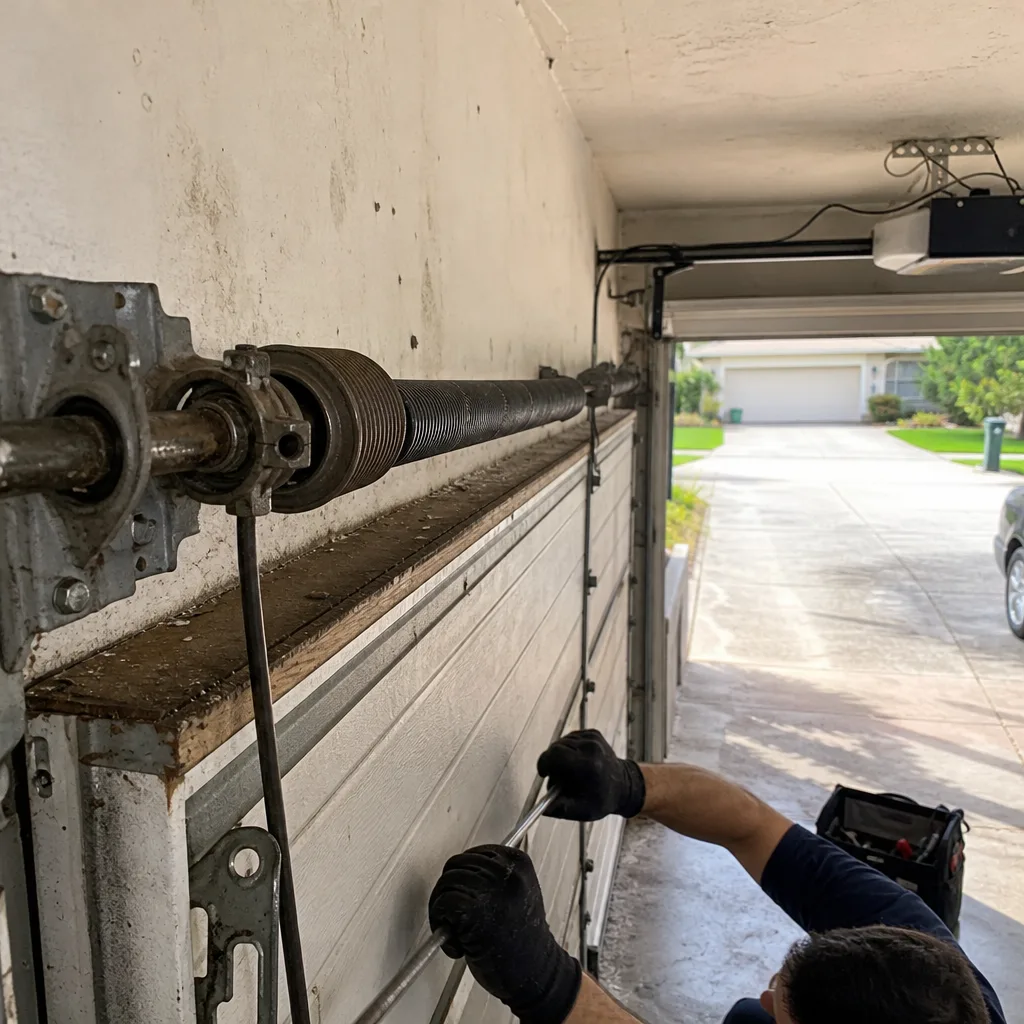 Before
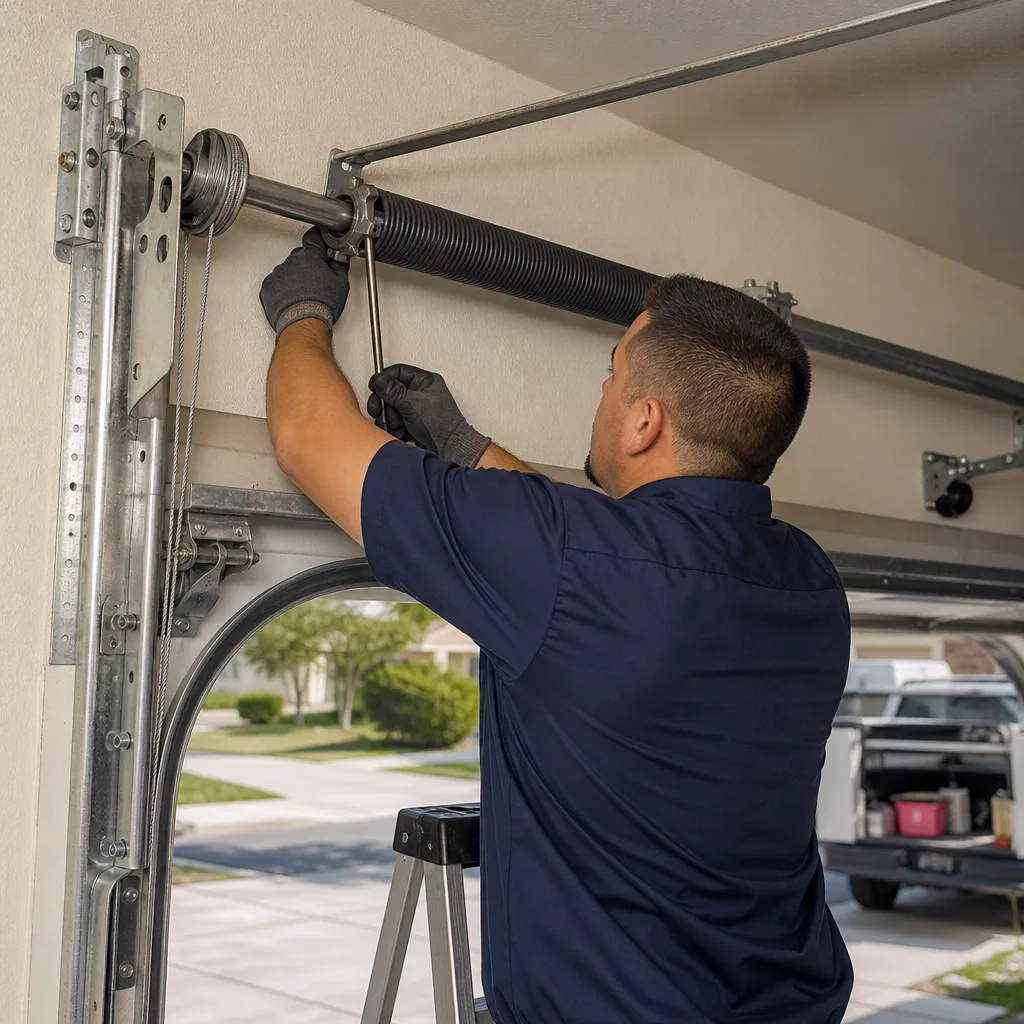 After
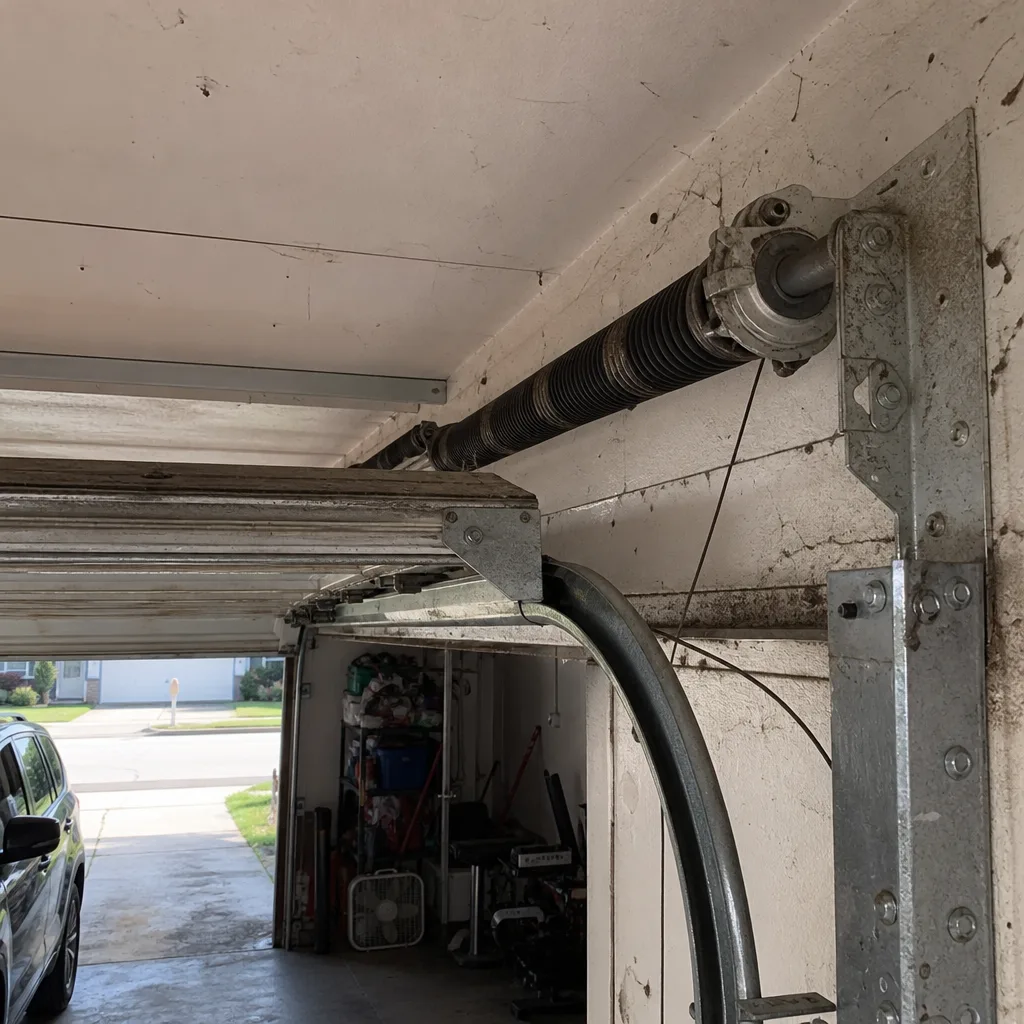 Before
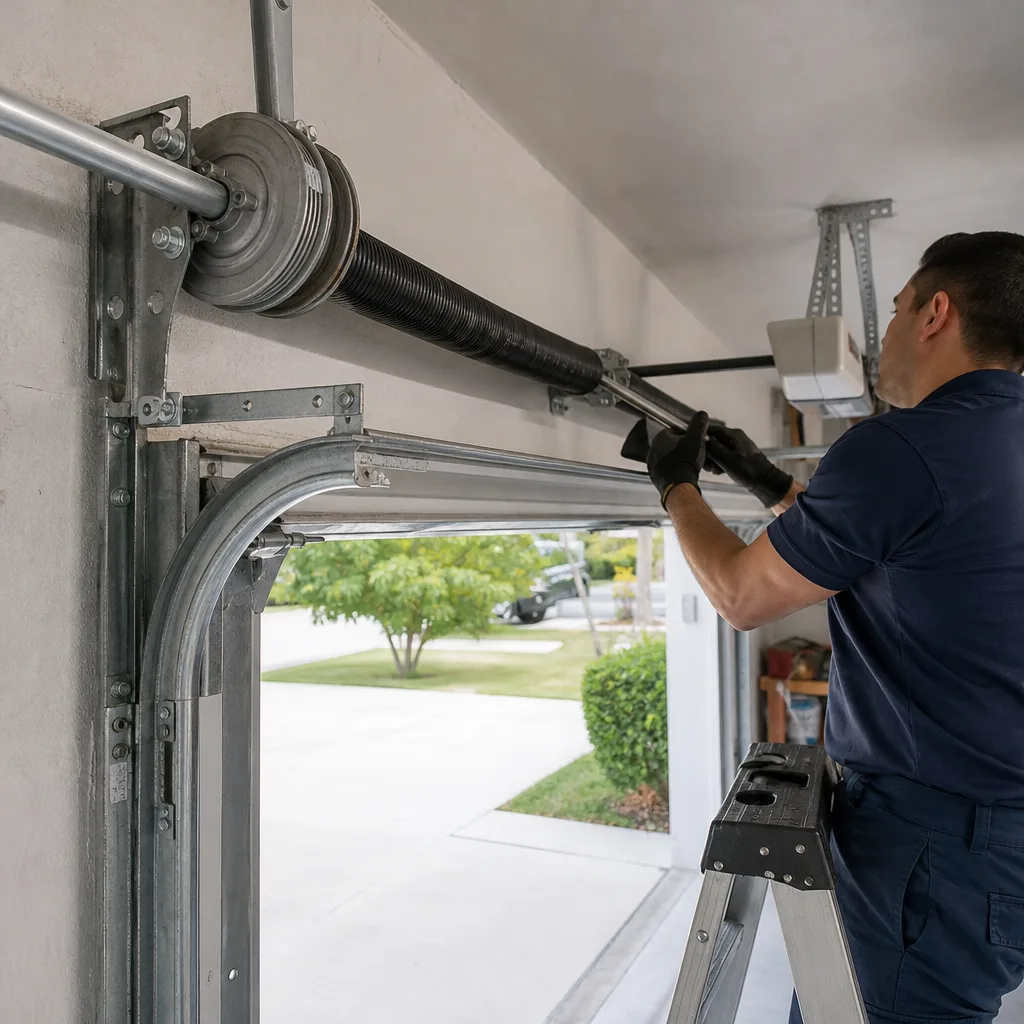 After
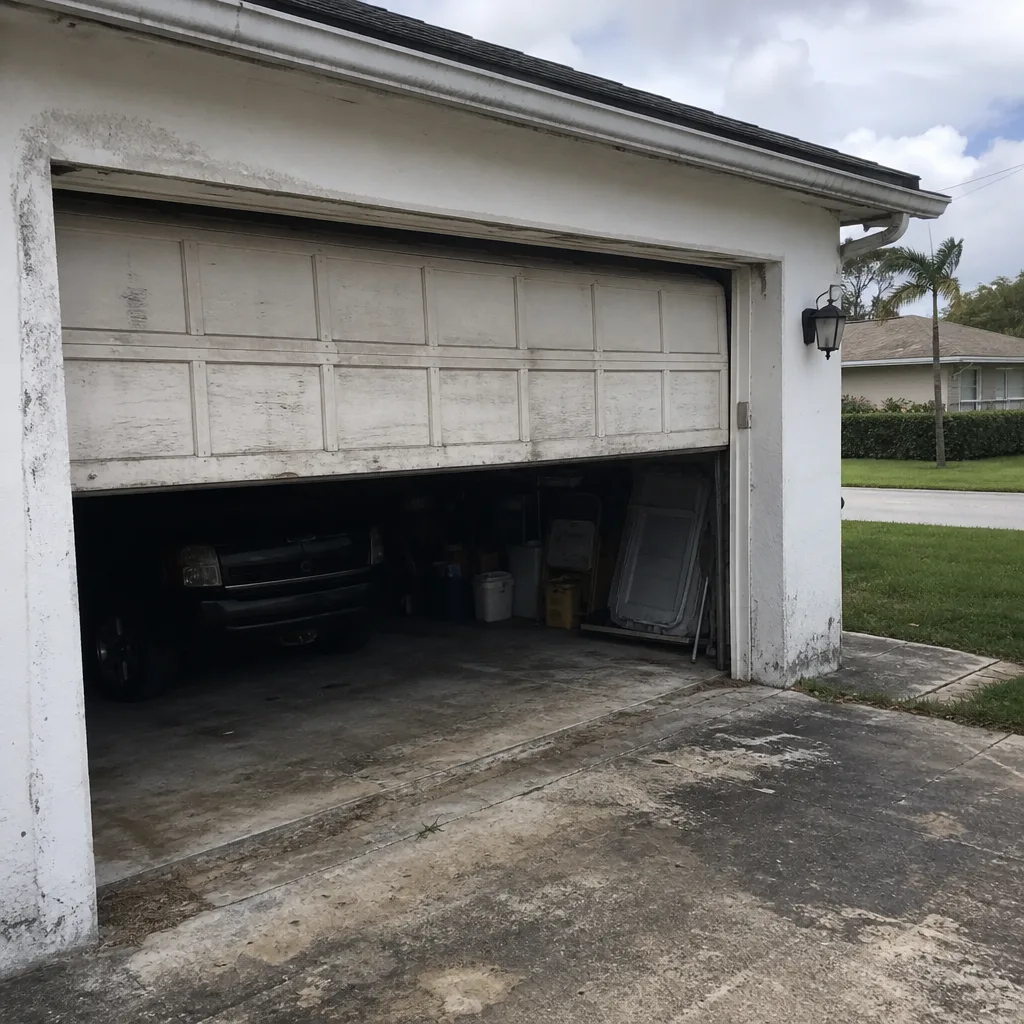 Before
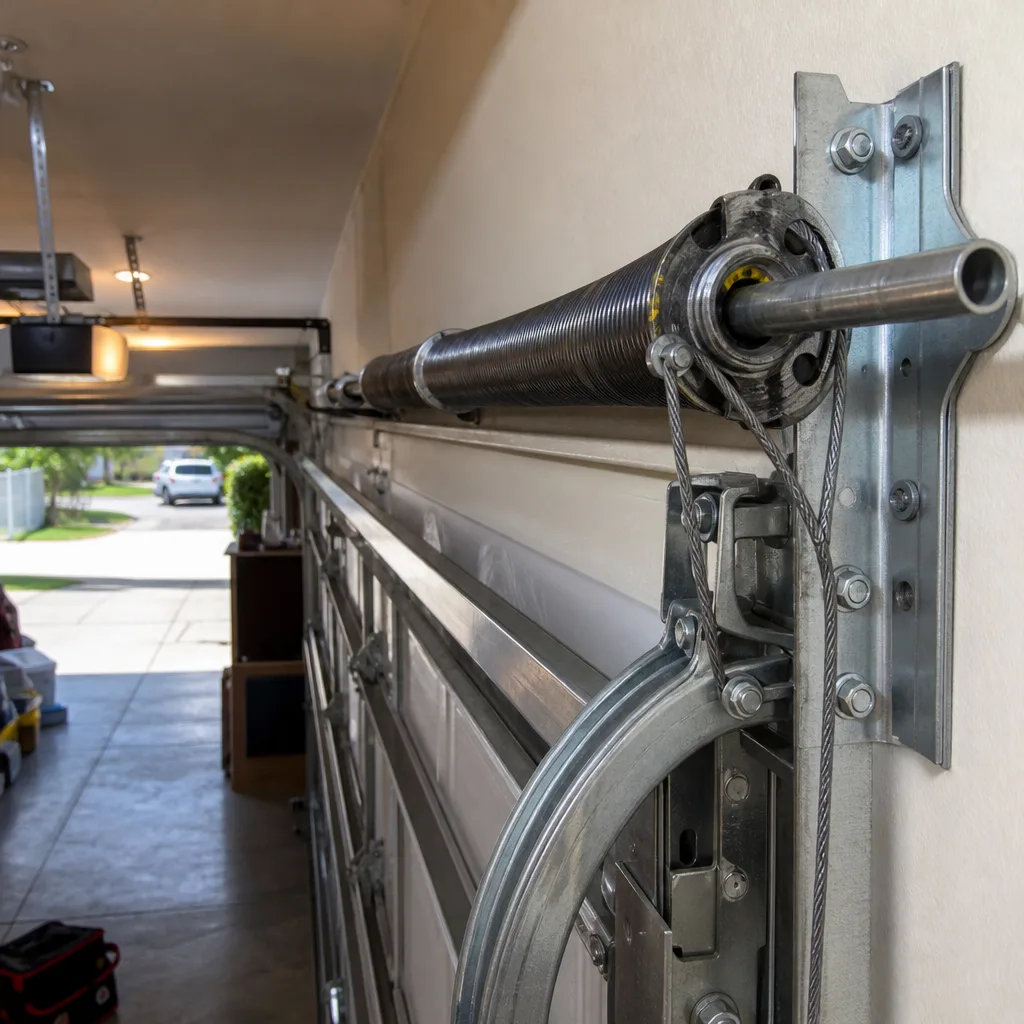 After