
Last updated October 30, 2026
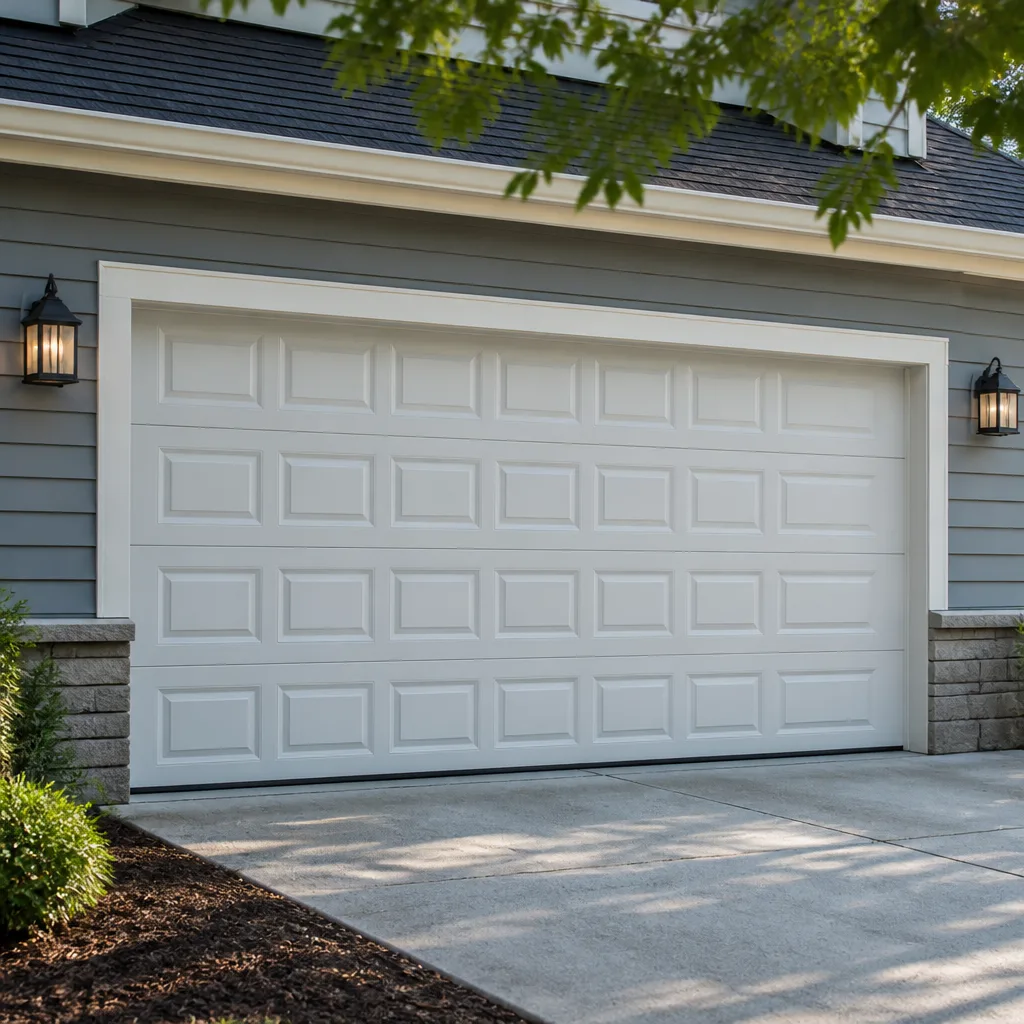 Raised-panel steel
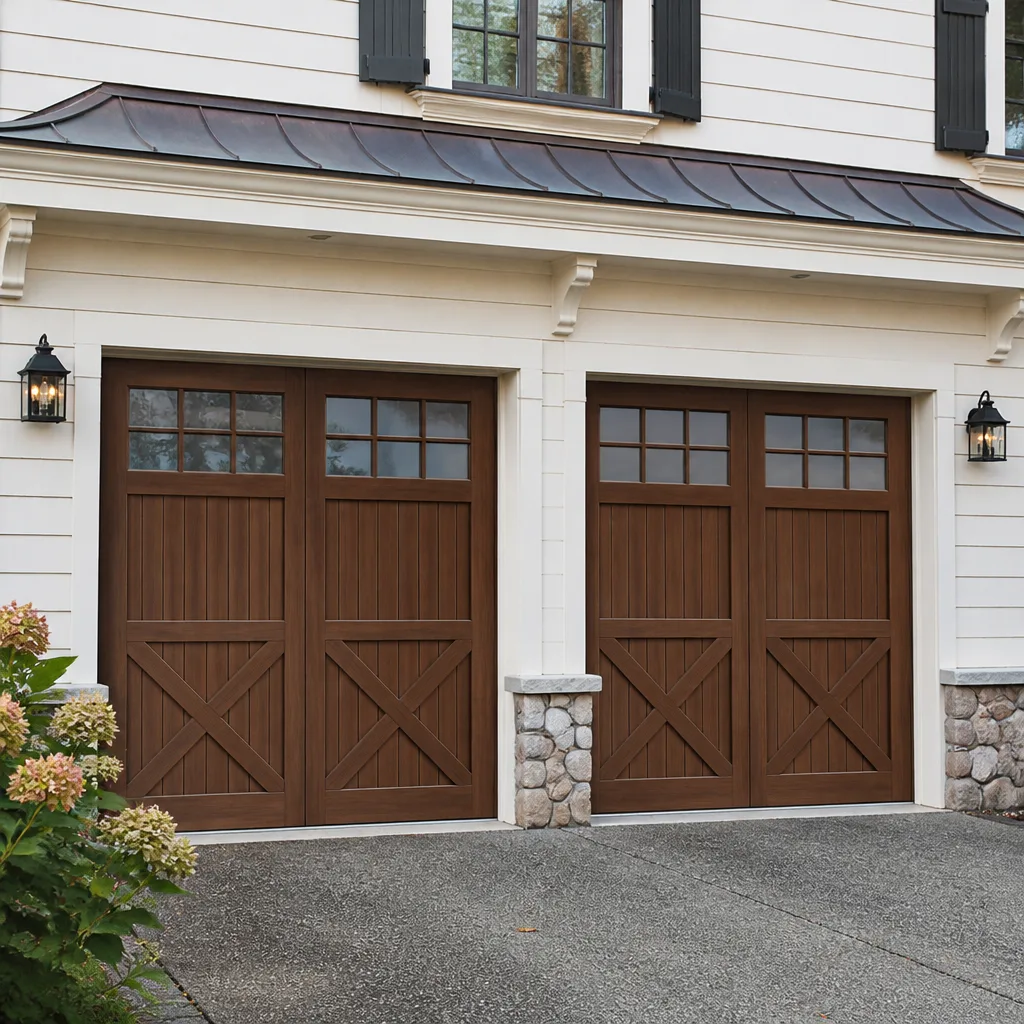 Carriage house
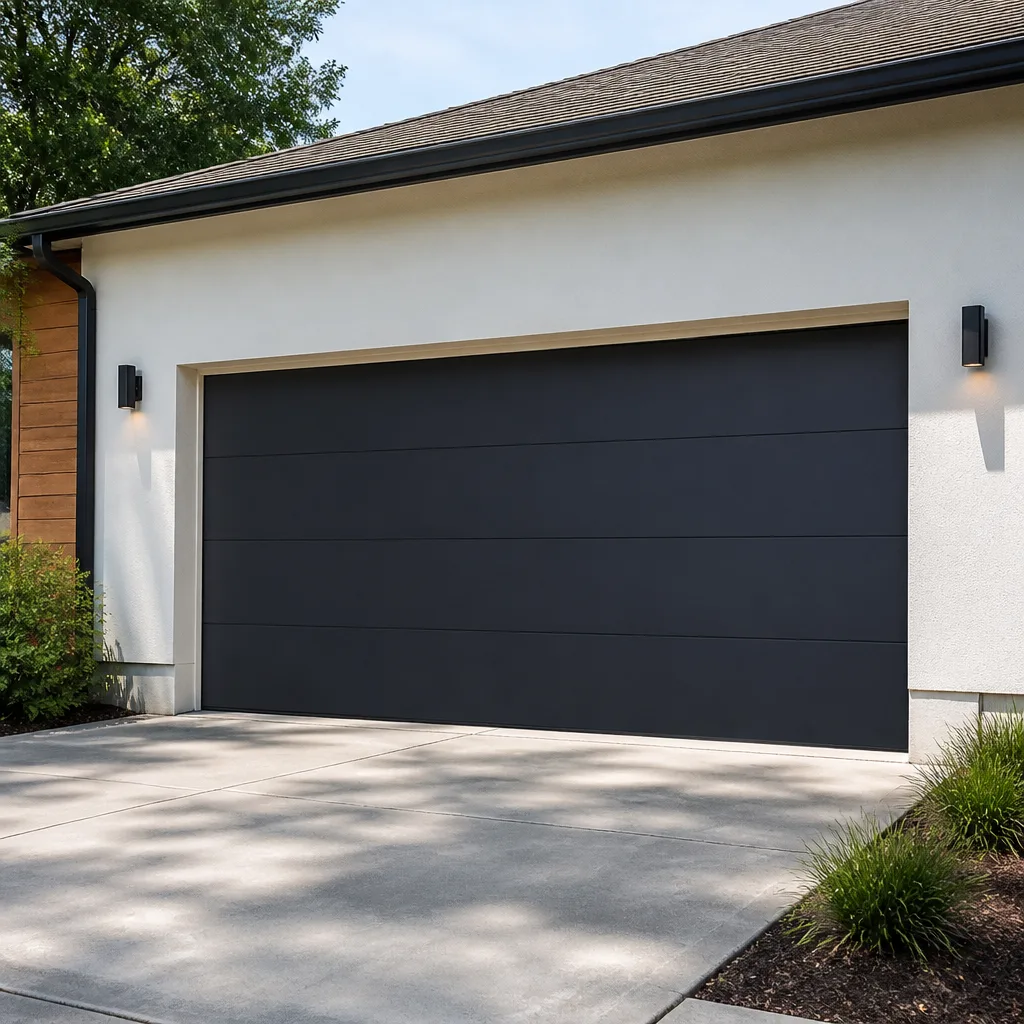 Modern flush
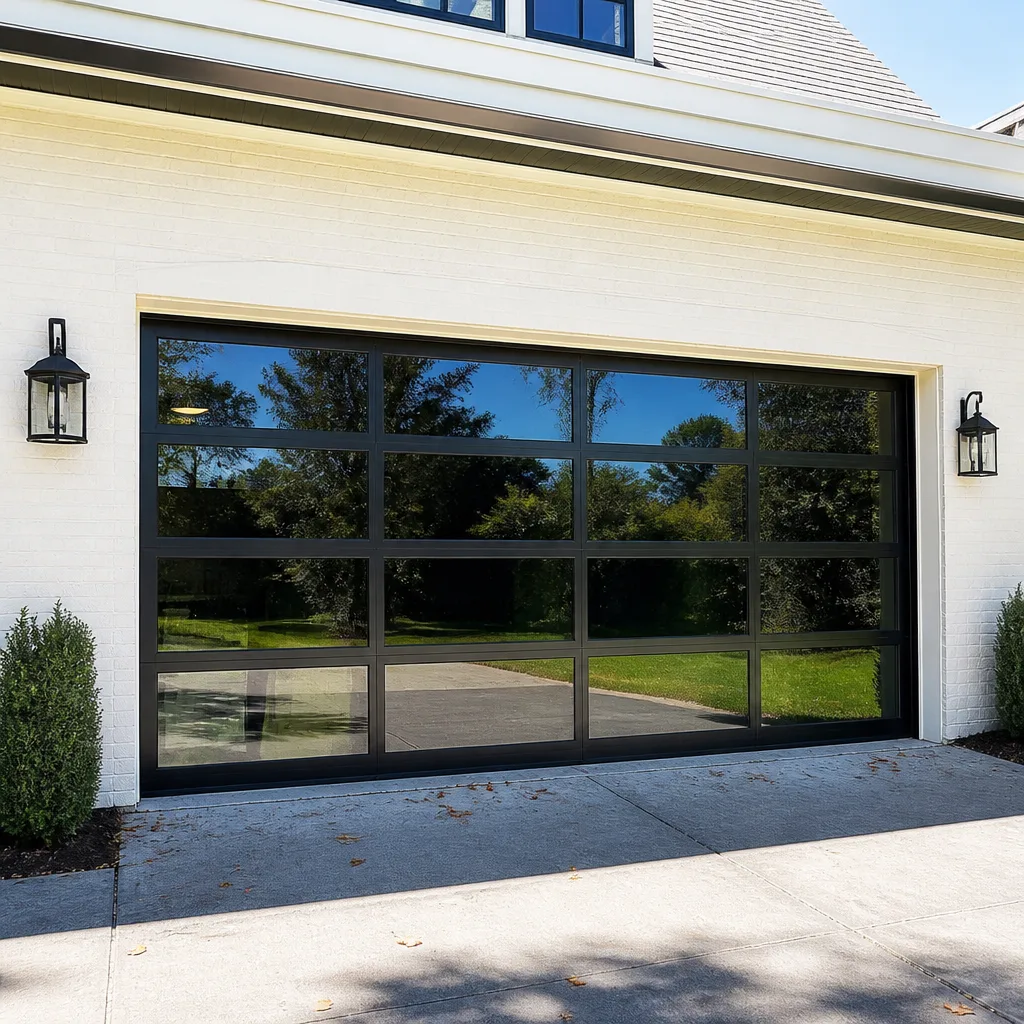 Full-view glass
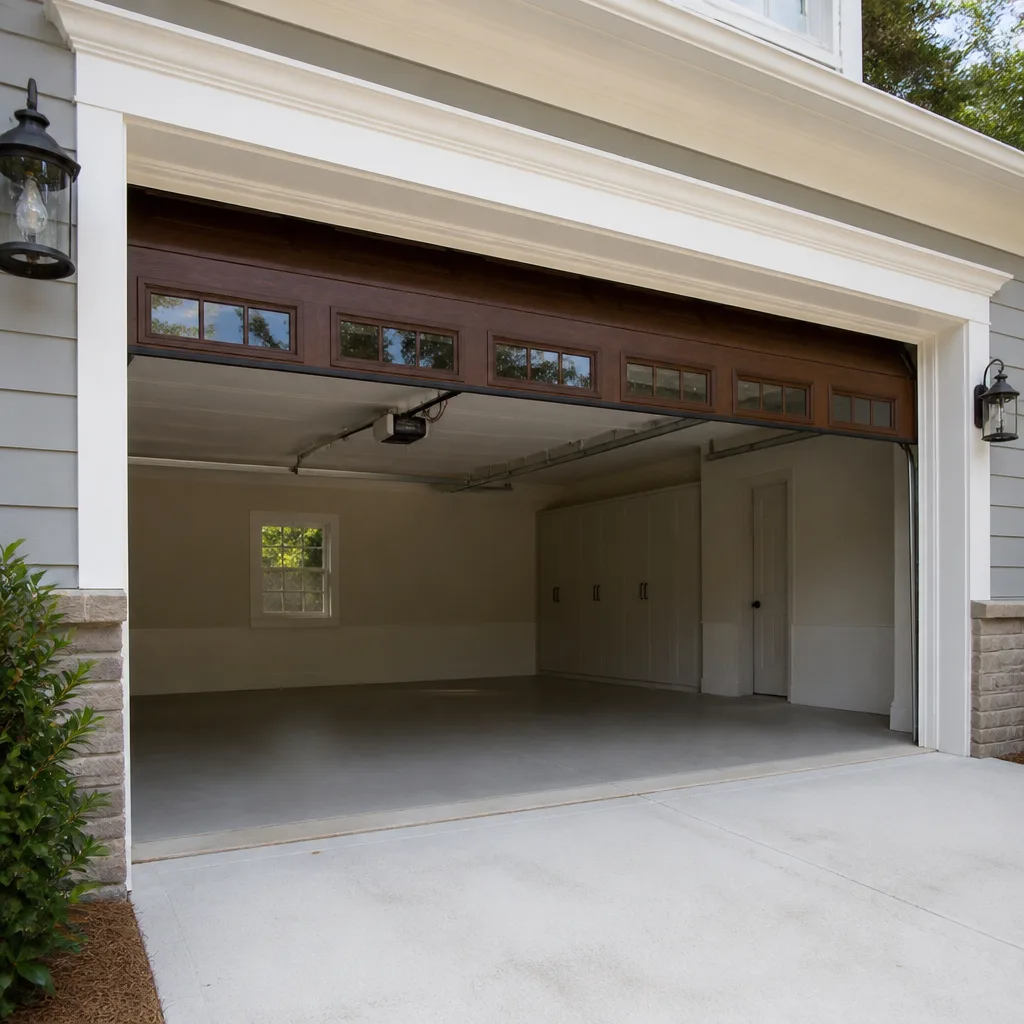 LiftMaster openers
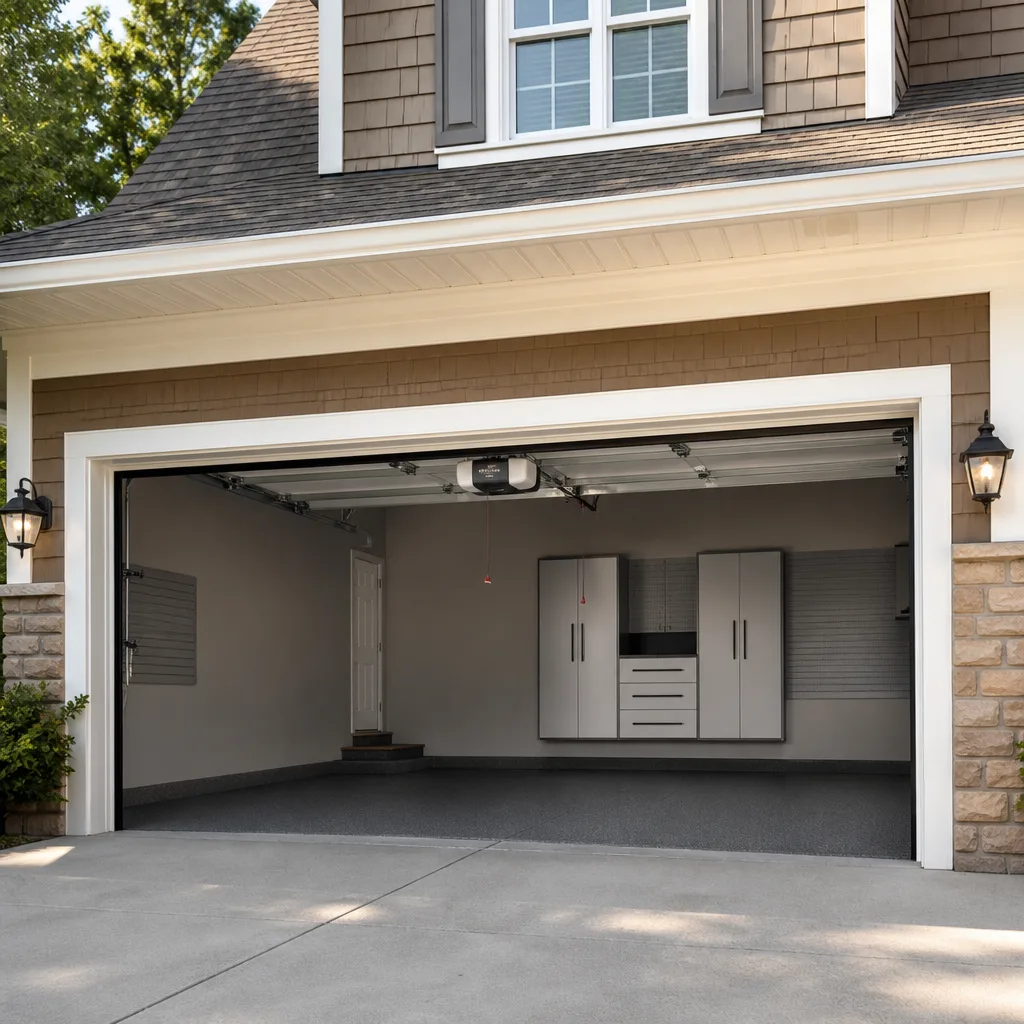 Chamberlain openers
Full 25-point door and opener safety check with every visit - springs, cables, rollers, tracks, and your LiftMaster or Chamberlain opener included
You get a price before we start. It does not change when the truck arrives.
Get your free estimateGarage Door Warning Signs: A West Palm Beach Homeowner’s Reference Guide
The grinding noise you’ve been ignoring for three weeks isn’t your door warming up. It’s a worn gear or dry bearing counting down to a failure, often at 7 a.m. when you’re already late. Most garage door failures in West Palm Beach aren’t sudden at all. They announce themselves weeks in advance through sounds, speeds, and movements that homeowners dismiss as “just how it is” right up until the door stops moving entirely. This guide will teach you to read those signals early, while a repair is still inexpensive and before a 180-pound door panel decides to make its own schedule. For more guides & resources, visit our blog.
Styles & brands we work with
Quick Answer
The most common warning signs of a failing garage door in West Palm Beach are grinding or squealing noises when the door moves, visible rust on springs and bottom panels, a door that opens slower than it did six months ago, cables that look frayed or uneven, and a door that shakes, jerks, or hesitates mid-cycle. Any of these signals means a component is wearing out and should be inspected by a garage door specialist within days, not months. Ignoring them typically turns a $150 repair into an $800 replacement.
Table of Contents
- The West Palm Beach Audio Guide to Garage Door Sounds
- Salt Air, Rust, and What They Do to Steel
- The Response-Time Test: How Slow Is Too Slow?
- A Little Off vs. Genuinely Unsafe: Know the Difference
- Same-Day Calls vs. Scheduled Appointments: A Triage Guide
- What Sectional Joints and Hinges Tell You Before They Fail
- Opener Motor Warnings That Precede a Dead Circuit Board
- Common Mistakes to Avoid
- When to Call a Professional
- Frequently Asked Questions
- The Bottom Line
The West Palm Beach Audio Guide to Garage Door Sounds
Garage doors speak before they break. Every component has a characteristic failure sound, and once you know what you’re hearing, you can figure out what’s failing before a technician arrives. In our service area across West Palm Beach, we’ve found that homeowners who can identify these sounds correctly end up with faster diagnoses and smaller repair bills, because we can bring the right parts on the first trip.
Here’s what different sounds mean:
- A sharp bang or crack during operation: This is the sound of a torsion spring snapping. It often gets mistaken for a car backfiring or something falling in the garage. If you hear this and the door won’t lift or feels unusually heavy, stop using the door immediately. The spring is gone, and the opener will destroy itself trying to lift that weight unassisted.
- A loud squeal or metallic shriek: That’s usually a roller with a failing bearing. In coastal West Palm Beach air, roller bearings corrode faster than inland, and a dry or rusted bearing shrieks until it seizes. At that point the roller may start sliding instead of rolling, which scores the track and makes the whole door jerk.
- A low grinding or chattering noise from the opener motor itself: On a LiftMaster, Chamberlain, or Craftsman opener, this is most often the main drive gear failing. The gear is a sacrificial part; it’s designed to wear down over years so the motor itself doesn’t have to. When the teeth strip, you’ll hear exactly this sound.
- A rumbling or scraping from the panels: That’s metal-on-metal contact from panels that have come loose from their frame, or from hardware that has shifted on wood-frame doors common in older West Palm Beach neighborhoods.
- A rhythmic thumping as the door moves: The door is not traveling evenly on both tracks. One side is catching, often because a cable has stretched or a track has been knocked out of alignment. Left alone, this becomes a bigger problem, because the door is exerting uneven stress on every hinge and bracket along its length.
One note for Wayne Dalton and Amarr doors specifically—both brands use different spring and roller configurations than older one-piece doors found in some mid-century West Palm Beach homes built before torsion-conversion retrofits, and our guide on choosing the right garage door brand covers these differences in detail. If you’re hearing a sound on a door that’s seen a retrofit, it may be running a brand mix. Our technicians see this regularly and we work on the door you already have, regardless of brand.
Salt Air, Rust, and What They Do to Steel
West Palm Beach’s coastal climate is the single biggest environmental stressor on garage doors in this region, which is why seasonal garage door care matters year-round. Salt-laden air from the Atlantic plus daily afternoon humidity cycles mean that steel components corrode measurably faster here than they do in Orlando or inland Florida. But not all rust is a death sentence. The difference between cosmetic surface rust and structural compromise is something every homeowner should understand.
Surface corrosion
Light orange pitting on the surface of springs, hinges, or track edges is ugly but usually functional. The metal still has its structural integrity. A technician can clean and lubricate these components, and many will continue to work for years. You’ll see this most often on doors in neighborhoods closer to the Intracoastal, where morning fog and afternoon sea breezes deliver a near-constant salt film.
Structural rust
Structural rust looks different. Look for flaking, where layers of metal are separating, or deep pitting that looks like the metal is being eaten from inside. On a torsion spring, this is a serious hazard: a rust-pitted spring under tension is already compromised, and it will snap. On the bottom panel of a steel door, structural rust often means the panel is losing its ability to hold the hinges and brackets. You may see the door leaning or bowing at the bottom, or the bottom seal hanging loose because the rail it sits in has corroded through.
Where rust hits hardest
- Bottom panels and bottom rails: These sit closest to ground moisture, and in West Palm Beach’s rainy season, they can stay damp for weeks at a time.
- Inside spring coils: Rust inside a torsion spring coil builds up invisible to the eye, then snaps without warning. If springs show any surface rust, an inspection is worth the visit.
- Track fasteners and brackets: Fasteners corrode, loosen over time, and allow the track to drift out of alignment. This is often the start of the thumping pattern mentioned above.
If you see structural rust forming, don’t wait for a full failure. The garage door repair needed at this stage is still relatively minor compared to a full panel or spring replacement after collapse.
The Response-Time Test: How Slow Is Too Slow?
Your garage door has a rhythm. When it’s healthy, it opens and closes at the speed the opener was set for. When it starts to slow down, something in the chain of components is working harder than it should be. The slowdown is almost always the first measurable warning sign of trouble, and it’s the one most homeowners in West Palm Beach miss because the change is gradual.
How to test your door’s speed
- Count the seconds. Your door should travel from fully closed to fully open in about 12 to 15 seconds on a standard 7-foot door, and 15 to 18 seconds on an 8-foot door. Time it with a phone stopwatch.
- Compare sides. Watch the left and right edges of the door as it moves. They should rise evenly, staying level. A lead of even half an inch on one side means a cable or spring issue.
- Time the middle of the cycle. Most slowdowns show up halfway through the travel range, because that’s where the spring has the least mechanical advantage. If the door hesitates or stalls at mid-travel, you’re seeing the first sign of a tired spring.
- Check it with the manual release. Pull the red release handle (with the door closed) and try lifting the door by hand. It should move smoothly with about 10 to 15 pounds of effort. If it’s heavy or binds at any point, the door itself is misaligned, the springs are worn, or the tracks have shifted.
Here’s what the lag means by component:
- Sluggish all the way up and down: Usually a spring issue. Torsion springs lose tension slowly over their service life, and as they weaken, the opener motor works harder to move the same weight. This is also the most common cause of premature opener motor burnout.
- Fast at first, then stalls mid-cycle: Often a cable or track issue. The door is catching partway through, and the opener is fighting that resistance.
- Slow specifically on the last few inches of travel: This may be a limit switch or force-setting issue on the opener, common on LiftMaster and Chamberlain units after a power surge or programming reset.
If your door is slowing down, the fix is usually quick and inexpensive. We’ve seen homeowners wait until the opener motor finally gives out, at which point the repair scope expands from a spring replacement to a full garage door opener repair. One call covers it, but earlier is always cheaper.
A Little Off vs. Genuinely Unsafe: Know the Difference
Most garage door issues are annoyances. A noisy roller, a misaligned sensor, a door that needs a little push to close: these are “a little off” problems that don’t endanger anyone. But some conditions are genuinely unsafe to operate through, and recognizing them means the difference between a repair call and a trip to the emergency room.
Safe to watch and wait, briefly
- A door that’s slightly slower than it used to be, but still opens and closes within a normal time range.
- Light surface rust on springs or hinges with no visible structural flaking.
- A single noisy roller that doesn’t affect the door’s travel path.
- A remote that occasionally needs a second click to activate.
Stop using the door immediately
- A broken spring. A garage door with a snapped torsion or extension spring is partially connected to its counterbalance system, and when you try to open it manually or with the opener, the entire weight of the door (150 to 250 pounds) loads onto the other components. That weight can cause the remaining spring to snap, the cable to whip loose, or the door to drop suddenly.
- A fraying or unraveling cable. Cables hold tension even when the door is closed. A frayed cable can snap at any moment, and a snapped cable under tension moves faster than you can react. Never stand next to a frayed cable while the door is in motion.
- A door that opens unevenly by more than an inch on one side. This indicates a spring or cable failure in progress. The uneven load is stressing all the hardware.
- A door that drops rapidly when closing. If the door falls faster than the opener is pushing it, the springs have lost enough tension that the opener can’t control the door’s descent. This is a life-safety hazard for anyone in the path of the door.
- A door that continues to move after you release the button. This is a control or limit switch problem, but it means the door is not responding to stop commands. Don’t operate it.
On any of these stop-using-it conditions, call a garage door specialist the same day. Langston Garage Door Repair works exclusively on garage doors, which means we’re not fitting your door repair in between plumbing calls. The Langston Garage Door Repair home page has our full service area and contact information.
Same-Day Calls vs. Scheduled Appointments: A Triage Guide
Not every garage door warning sign needs a truck rolled to your West Palm Beach home today. Some do. Here’s the triage breakdown we use when homeowners call us describing their symptoms, and it matches what we’ve seen in hundreds of local service calls.
Same-day attention: the door is unusable or dangerous
- Broken spring or springs
- Frayed or snapped cable
- Door won’t open at all, especially with a vehicle trapped inside
- Door won’t close, leaving the garage open to the street overnight
- Severe shaking, jerking, or uneven travel
- Any sound of metal snapping or the door suddenly feeling very heavy
Scheduled appointment (within a few days): the door works but is wearing
- Increasing noise but normal travel speed
- Surface rust on springs or hinges with no structural damage
- Door slightly slower than it was, but still under 18 seconds full travel
- Sensors occasionally misaligning after windy days
- Weatherstripping cracked or detached, bottom seal worn
The logic is simple: if the door is unsafe, same-day is the only responsible option. If the door still works but is declining, a scheduled appointment gets you a better price and a less rushed diagnosis. Either way, a free estimate means you know the number before any work begins. Langston serves West Palm Beach and surrounding communities with both same-day emergency response for dangerous failures and scheduled service for routine wear, and every price is quoted and agreed before we start.
What Sectional Joints and Hinges Tell You Before They Fail
Most homeowners never look at the hinges and joints between door panels until one breaks. But these components carry the entire stress of the door’s movement, and their wear pattern is a reliable early warning system.
What to look for
- Gaps between panels. Stand inside the garage with the door closed and look up at the horizontal seams. Panels should sit tight against each other. A visible gap means the hinge is loose, the door has shifted out of square, or the panel itself has started to warp. In West Palm Beach’s high-humidity summer months, wood-frame doors warp faster than steel, especially in unconditioned garages.
- Worn or ovaled hinge hole. Where the hinge connects to the panel, the hole should be round. If it’s ovaled out, the metal has been flexing, and the hinge is working loose. This is most common on doors older than 15 years.
- Cracked panels around hinge points. Steel panels can develop stress cracks radiating from the hinge bolts, especially on doors that have been operated with broken springs for a period. Cracks mean the panel needs replacement; patching rarely holds.
- Loose or missing hinge bolts. Any rattling from the door while in motion usually traces back to loose hardware. A missing bolt means the load the hinge was carrying is now redistributed to its neighbors, which accelerates their wear.
For homeowners with Wayne Dalton or Craftsman doors built before roughly 2010, hinge brackets sometimes used plastic bushings that wear invisible to the eye. The first sign is often a door that seems to flex or bow in the middle while moving. If yours does this, an inspection will reveal whether the bushings are gone or the hinges themselves have failed. Neither is a difficult fix, but both get worse fast. The same principle applies to wood-frame doors on mid-century homes in West Palm Beach’s older neighborhoods like Flamingo Park or El Cid, where original doors were converted from one-piece swing-up units to sectional retrofits.
Opener Motor Warnings That Precede a Dead Circuit Board
Garage door openers typically last 10 to 15 years in West Palm Beach, which is shorter than the national average, because our power grid sees frequent afternoon lightning storms and humidity stresses circuit boards. But the motor and gear assembly often fail before the circuit board does, and they give clear warnings.
Symptoms that precede motor failure
- The opener runs but the door doesn’t move. This is the classic gear-failure signature on LiftMaster, Chamberlain, and Craftsman chain-drive openers. The motor is running, but the stripped gear is spinning against nothing. You’ll hear a grinding or rattling sound from the opener housing.
- The opener gets hot to the touch. Lukewarm after daily use is normal. Hot after a single open-close cycle means the motor is working far harder than it should be, usually because the door springs are weak and the motor is lifting the full door weight alone.
- The opener starts and stops intermittently. On Genie and Raynor screw-drive models, this can indicate a failing capacitor. The capacitor is what gives the motor its initial starting boost. When it goes, the motor tries to start, fails, and the opener trips its overload.
- The opener hums but won’t run. That’s usually the capacitor or the motor itself. On models older than 12 years, the motor may have finally given out.
Note: none of these are DIY fixes. Opener motors run on 120-volt house current, and the internal capacitor stores a charge even after the unit is unplugged. If your opener is showing any of these signs, a specialist can diagnose it safely. Langston’s technicians work on openers from all eight major brands and can tell you on the visit whether the opener is worth repairing or if replacement is the better long-term call. That’s the benefit of a company whose entire focus is garage doors, including opener repair as its own dedicated discipline.
Common Mistakes to Avoid
- Lubricating a noisy door without diagnosing the noise first. Spray lubricant quiets a dry bearing temporarily, but if the noise is coming from a stripped opener gear or a broken spring, the lubrication just masks the symptom while the component continues to wear. In West Palm Beach’s salt air, lubricant also attracts dust and grit that accelerates wear on already corroded metal.
- Ignoring a slowing door because it still works. A door that’s lost 20 percent of its speed has already lost a spring’s worth of tension. Every month that goes by, the opener motor eats the difference. The repair cost after motor failure is three to five times the cost of a spring replacement.
- Disconnecting the opener and using the door manually while a spring is broken. With the spring gone, the door weighs 150 to 250 pounds. You’re not going to hold it up through a full open-close cycle, and if you drop it, the fall is uncontrolled. People have been seriously hurt this way.
- Treating rust as cosmetic without checking its depth. In coastal West Palm Beach, rust that looks superficial can hide deep pitting on the underside of a spring where you can’t see it. A spring with internal rust is a failure waiting for the morning you’re already late.
- Replacing the opener without checking the door first. If the door is heavy, misaligned, or has failing springs, a new opener will work hard from day one and fail early. We frequently see homeowners who’ve replaced an opener only to watch the new one burn out within two years because the underlying door problem was never addressed.
- Waiting for a full breakdown before calling. Every component has a “wearing out” phase and a “failed” phase. Repairs in the wearing-out phase are always cheaper, faster, and safer. In West Palm Beach, where a broken door can leave a garage open to the street during a storm, the risk of waiting is worse than the cost of early attention.
- Using aftermarket parts that don’t match the door brand. A door is an engineered system. Putting a mismatched spring on a Wayne Dalton door, or a universal roller on an Amarr track, creates stress concentrations that shorten the life of everything else. We work on the door you already have, with parts that match what the door was designed for.
When to Call a Professional
Some garage door work is genuinely safe to handle yourself: tightening a hinge bolt, replacing a remote battery, clearing debris from a photo-eye sensor. But any condition that involves springs, cables, opener internals, or a door that’s binding under load should be left to someone who works on these systems every day. Torsion springs hold enough force to break bone or worse. Cables under tension can whip. Opener capacitors can hold voltage. The cost of a wrong guess isn’t worth saving a service call.
Langston Garage Door Repair offers free estimates in West Palm Beach, and every repair is quoted and agreed before any work begins. If your door is showing any of the warning signs in this guide, call (833) 302-7392 and tell us what you’re seeing and hearing. We’ll tell you honestly whether it needs same-day attention or can wait for a scheduled visit. From opener gear failures to rusted bottom panels to a full garage door installation, one call covers it.
Frequently Asked Questions
The most common warning sign we see in West Palm Beach is a door that’s slowing down, usually because salt-air corrosion has accelerated spring wear. Springs lose tension naturally over 10,000 cycles, but coastal humidity strips lubrication and invites rust that cuts that lifespan short. If your door has slowed noticeably, especially mid-cycle, the springs are the first place we look. Call (833) 302-7392 for a free estimate.
A garage door spring with light surface rust may still function safely for years, but a spring with flaking, deep pitting, or rust visible between coils is already compromised and can snap without warning. In West Palm Beach’s salt air, springs need inspection more often than inland. If your springs show more than surface discoloration, have a specialist inspect them before continued use. Estimates are free.
A standard 7-foot garage door should open fully in about 12 to 15 seconds, and an 8-foot model in 15 to 18 seconds. If yours takes consistently longer than that, or if it hesitates midway through the cycle, the springs or tracks are creating resistance. Time it today; a slowdown is the earliest measurable warning you’ll get before a component fails. Call (833) 302-7392 for an inspection.
Not always. A single noisy roller or light surface rust is a scheduled-appointment issue. But a grinding noise from the opener housing, a sharp bang from the spring area, or any noise accompanied by uneven door movement needs same-day attention, because those indicate active mechanical failure. If you’re not sure, call (833) 302-7392 and describe the sound. We’ll help you triage it over the phone.
No. The price is quoted and agreed before any work starts. If we discover something unexpected during the repair, we stop and show you what we found, then get your approval on the adjusted number before proceeding. You’ll never receive a surprise invoice after the fact. Call (833) 302-7392 for an exact quote; estimates are free.
We stock the most common wear parts for LiftMaster, Chamberlain, Genie, Clopay, Amarr, Wayne Dalton, Craftsman, and Raynor systems, so most repairs are completed in a single visit. Springs, rollers, cables, hinges, opener gears, and photo-eyes are all part of the regular truck inventory. If your door needs a non-stock panel or custom component, we’ll order it and tell you the expected timeline before you commit. Call (833) 302-7392 to confirm availability for your model.
The Bottom Line
Your garage door tells you when it’s failing. The slowing travel, the grinding opener, the rust spreading on the bottom rail, the cable that’s starting to unravel: these signals are consistent and recognizable, and they show up weeks before the part actually lets go. Learn to read them, and you’ll fix small problems before they become big ones. Ignore them, and you’ll meet the failure on a Monday morning with a car trapped in the garage. In West Palm Beach, where salt air and humidity work against every steel component year-round, paying attention to these signs costs nothing and saves hundreds. Langston Garage Door Repair works on garage doors exclusively, all eight major brands, from opener to overhead panel. One call covers it.
Written by the team at Langston Garage Door Repair, serving West Palm Beach since 2012.
See the difference
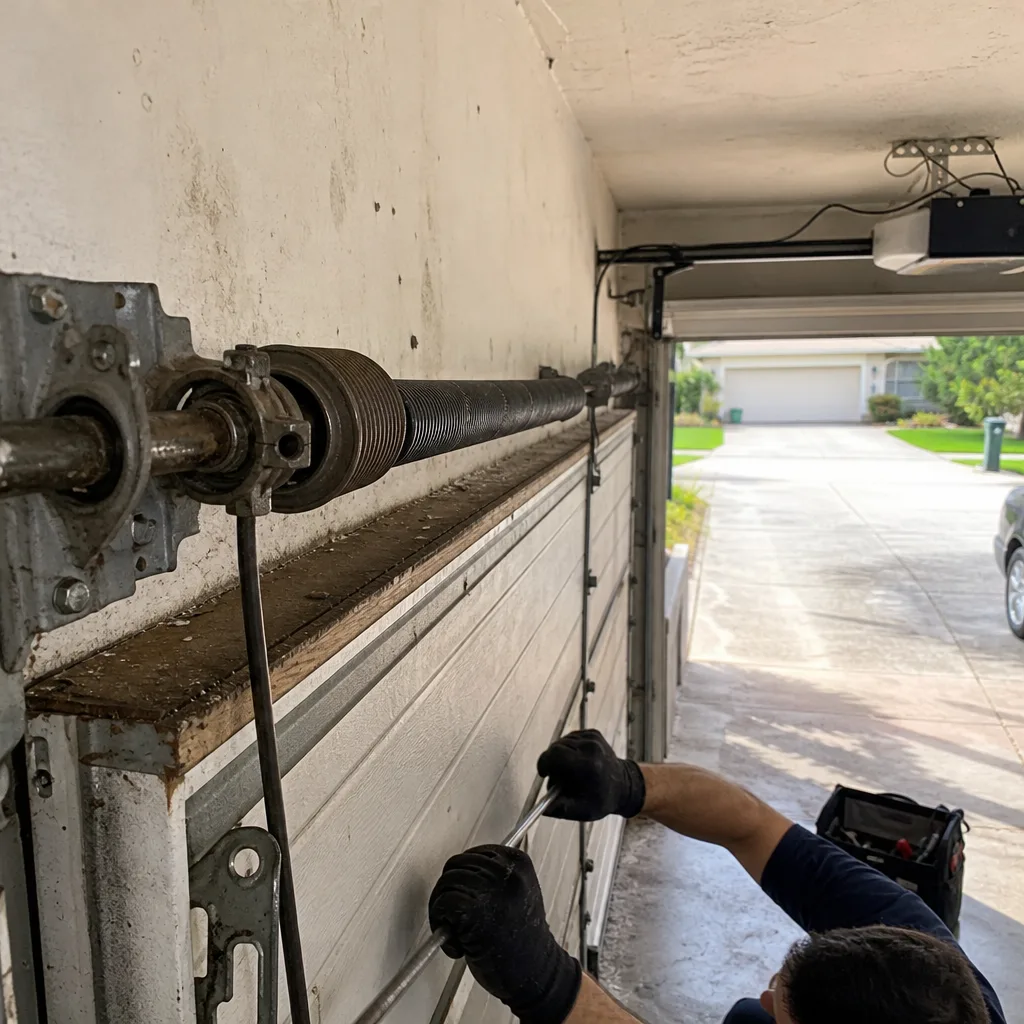 Before
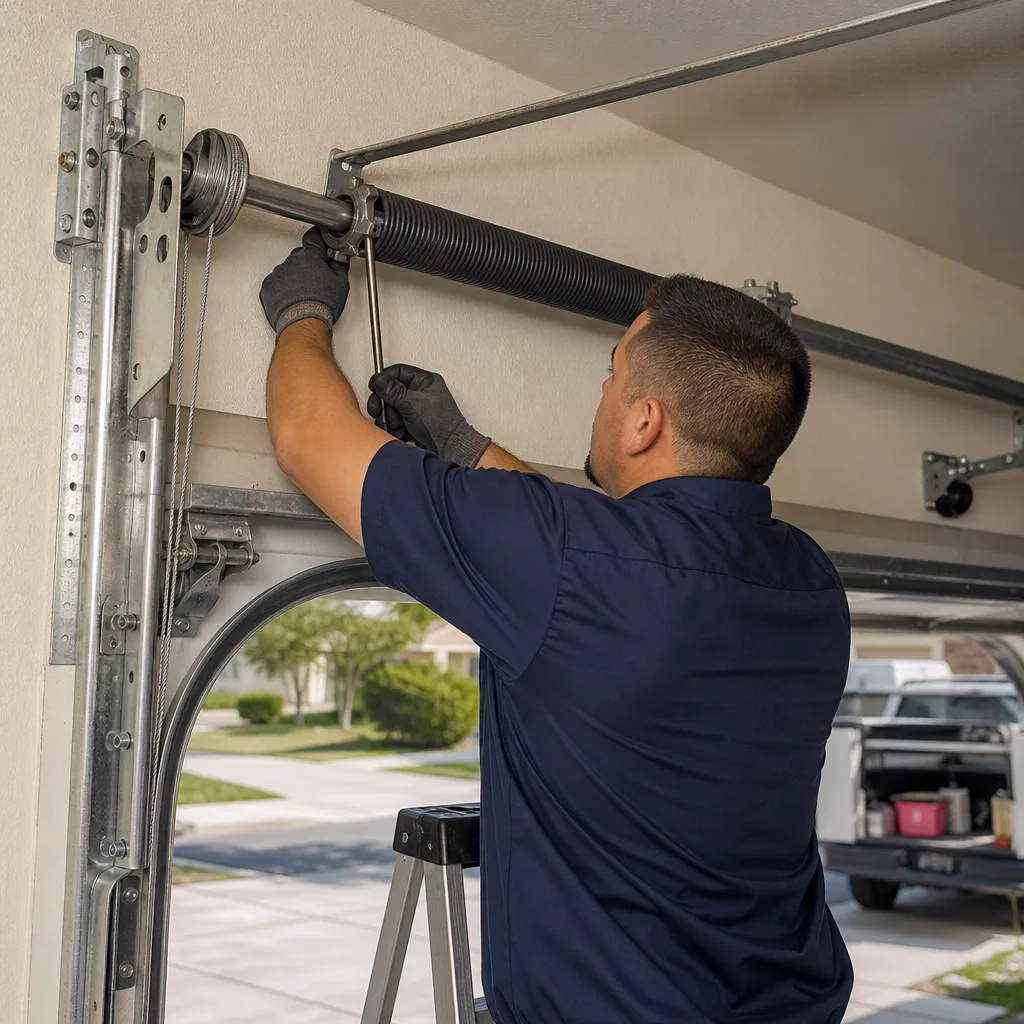 After
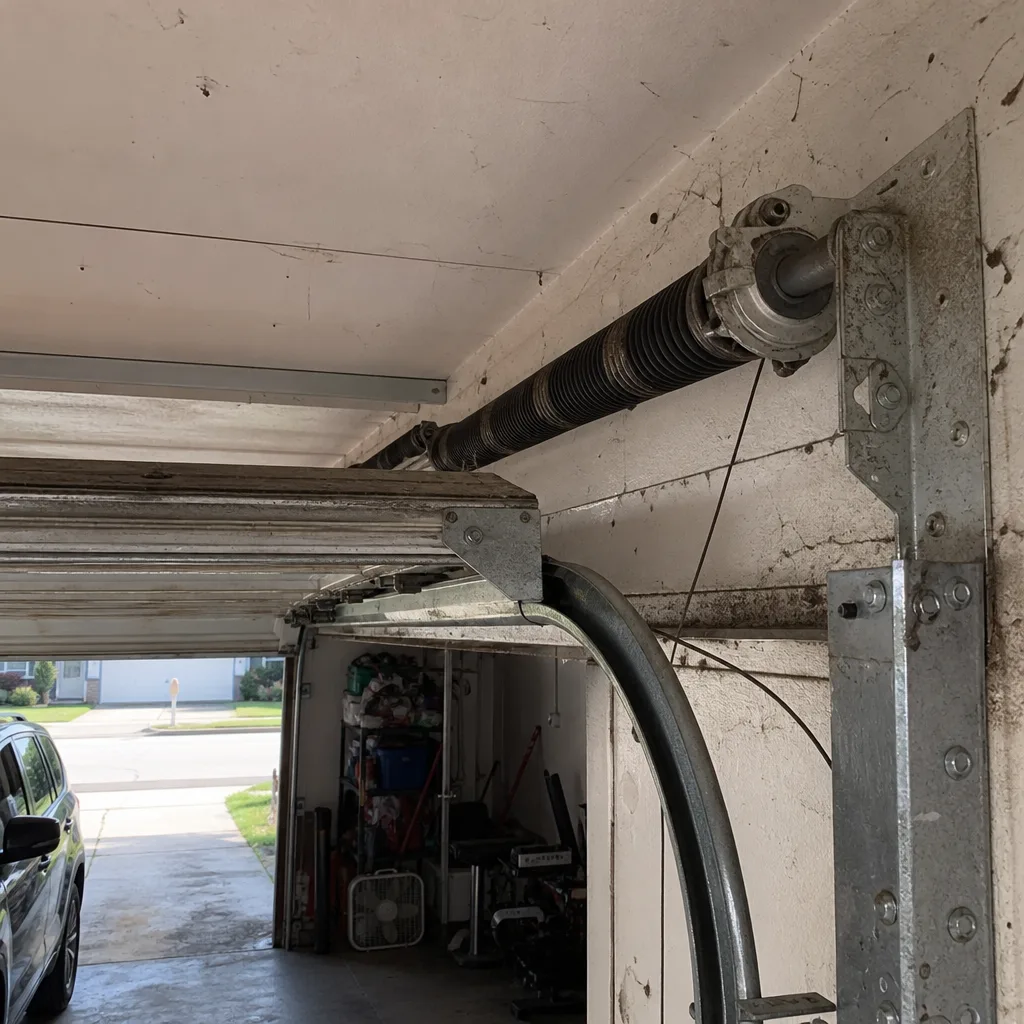 Before
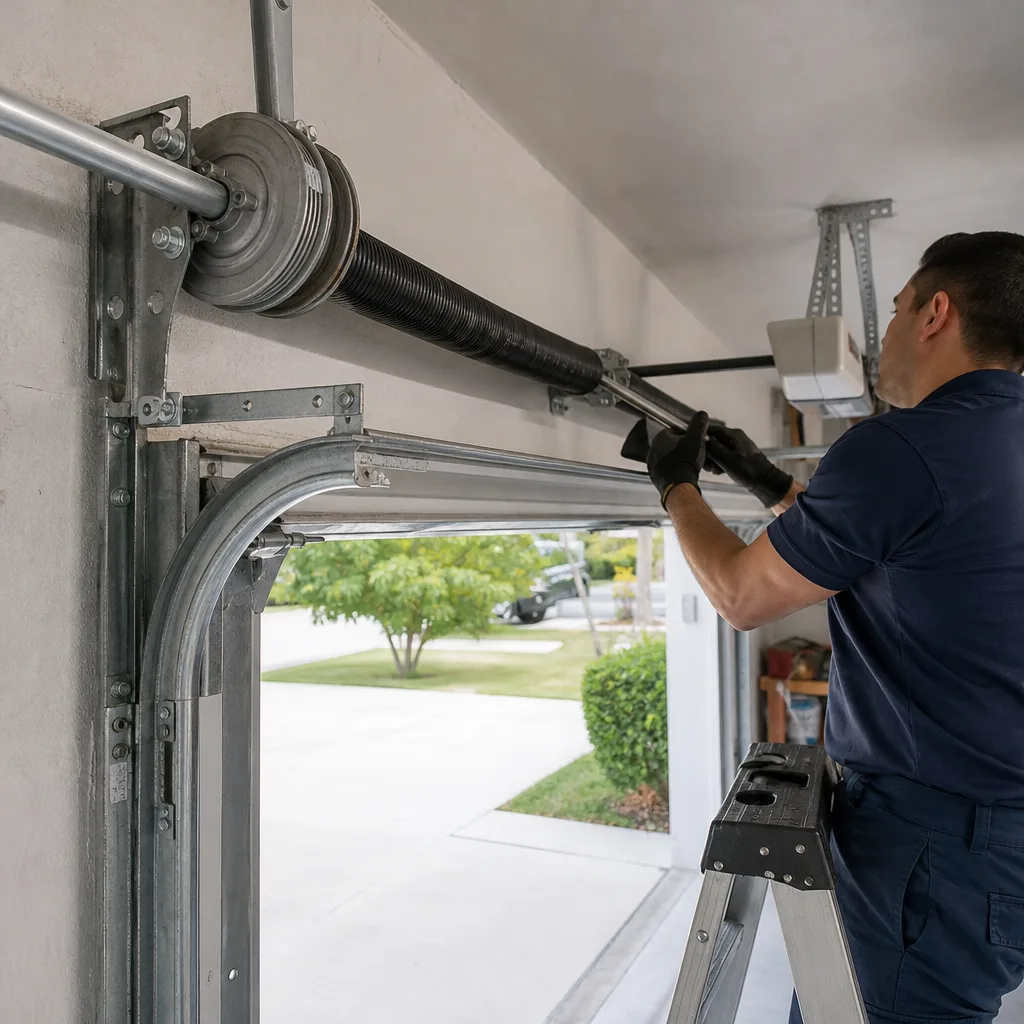 After
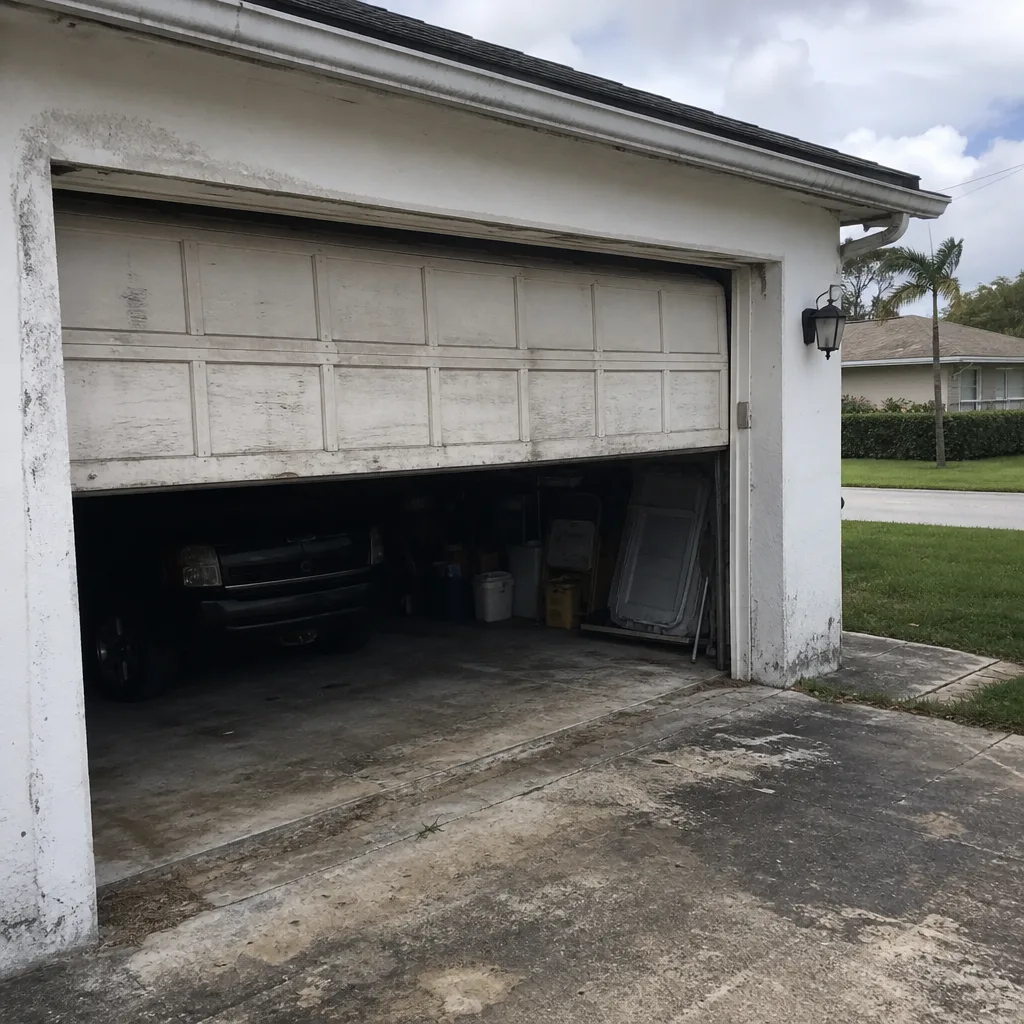 Before
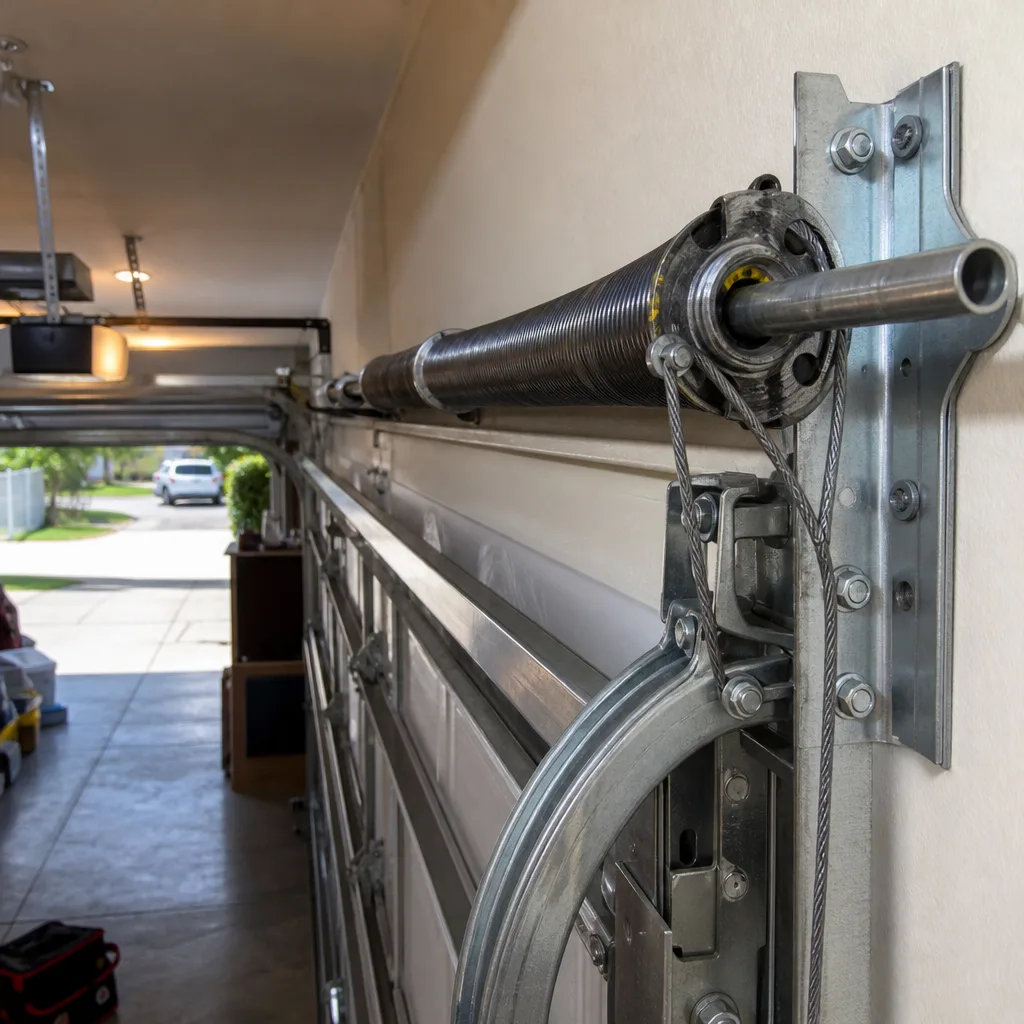 After