
Last updated October 30, 2026
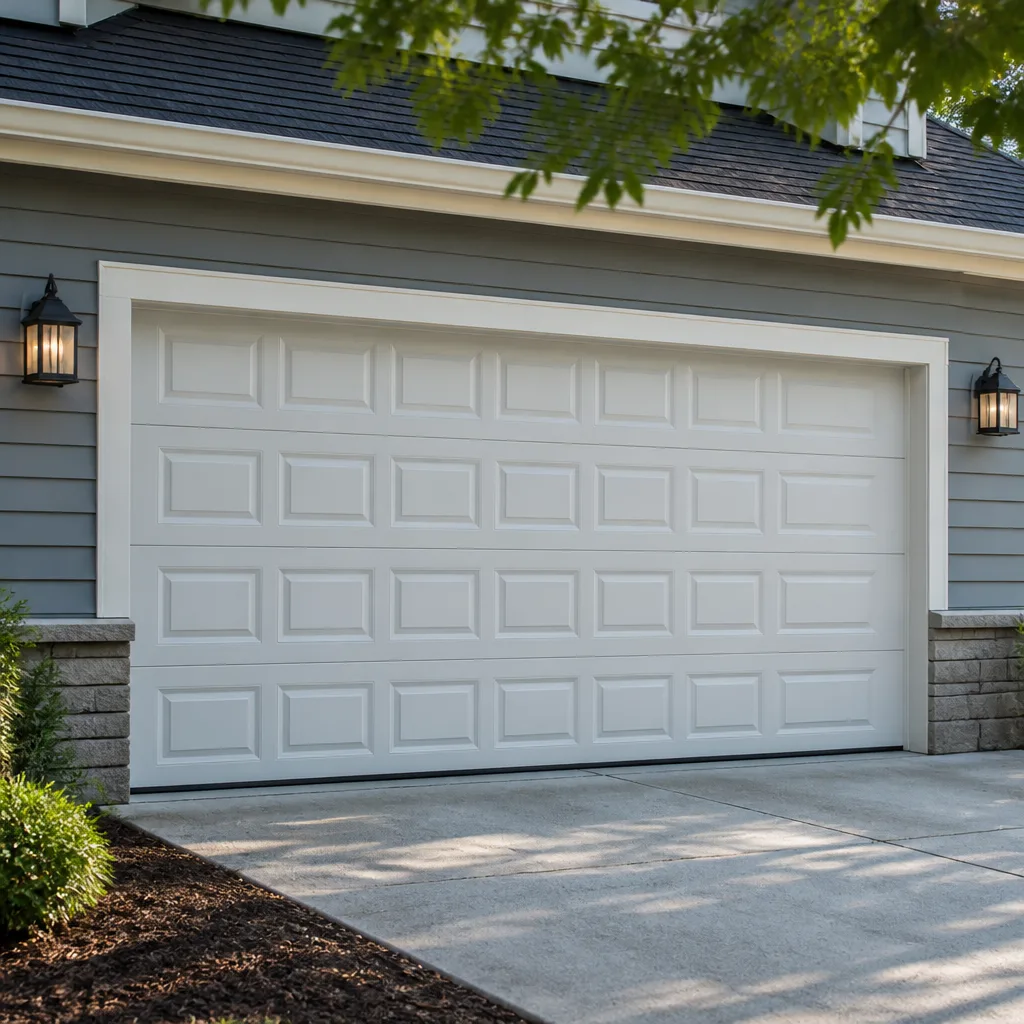 Raised-panel steel
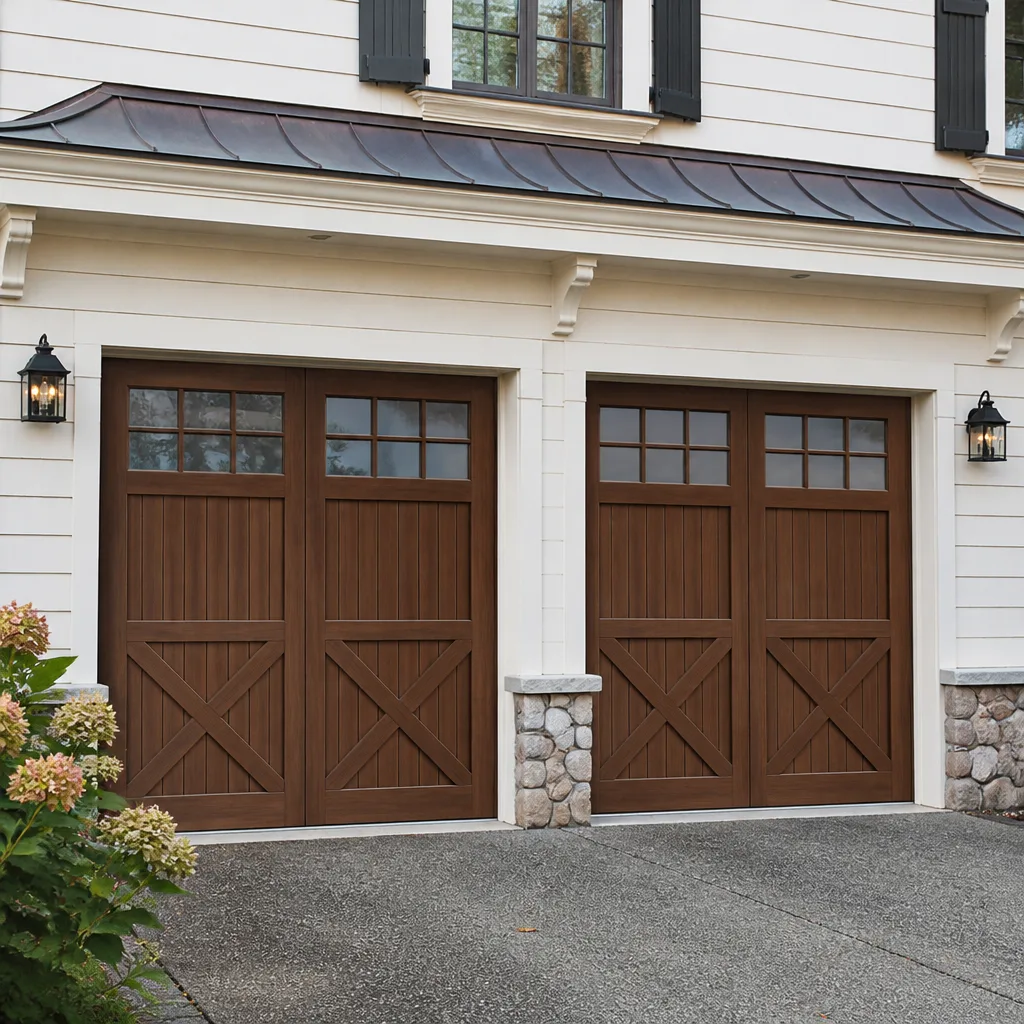 Carriage house
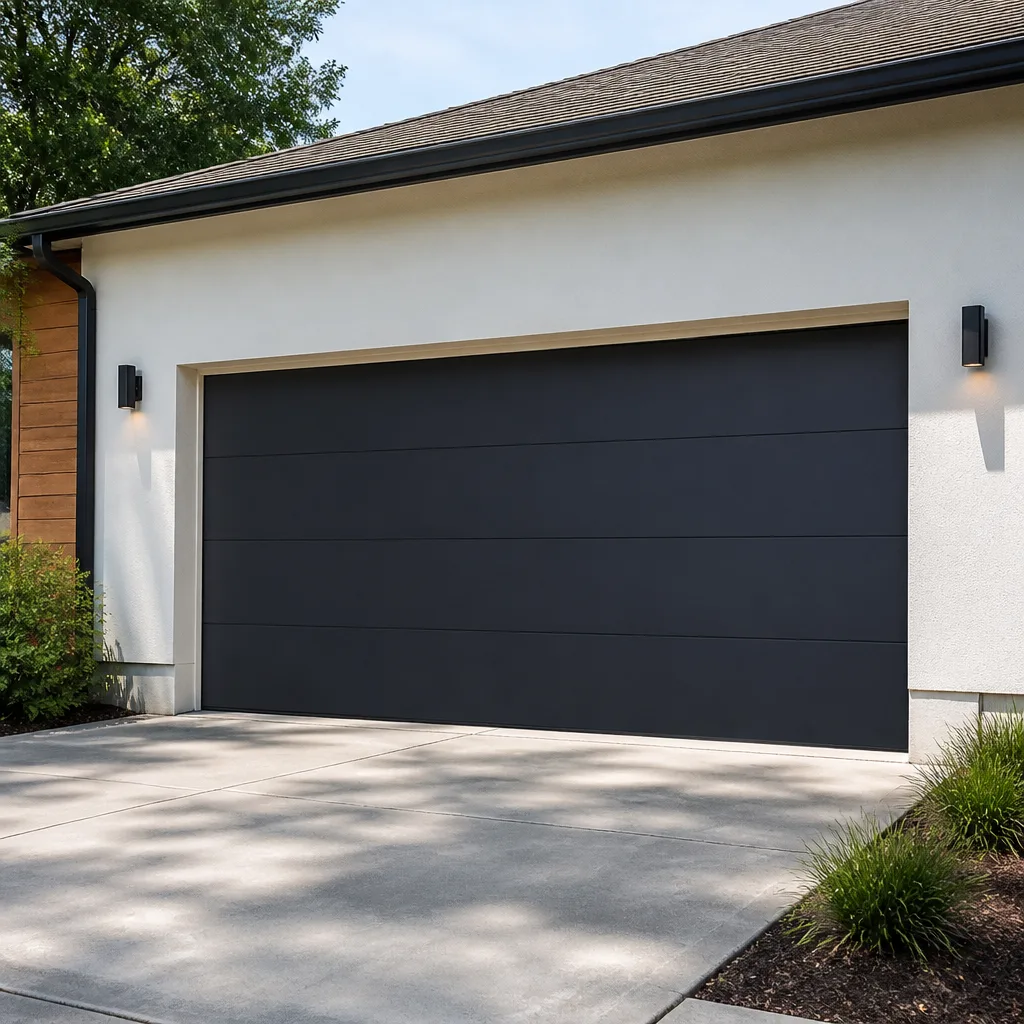 Modern flush
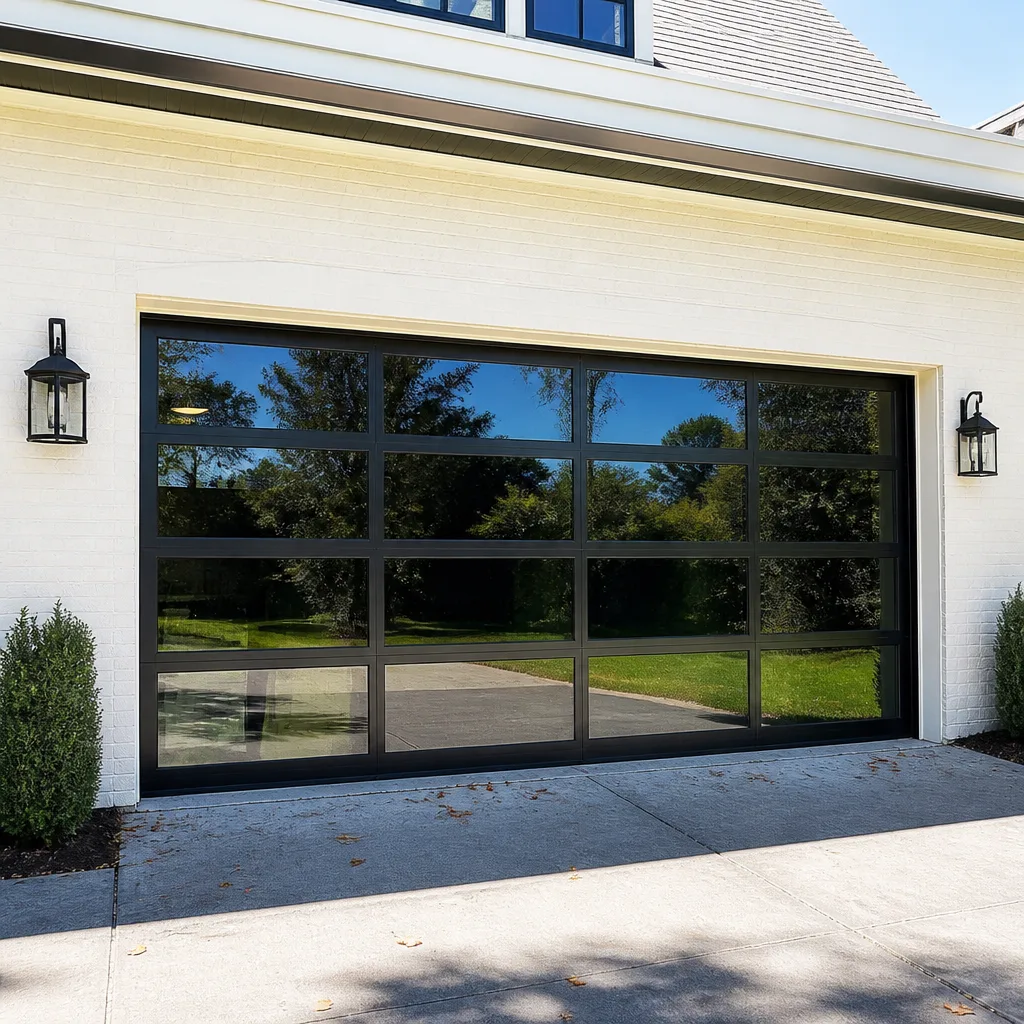 Full-view glass
 LiftMaster openers
 Chamberlain openers
Full 25-point door and opener safety check with every visit - springs, cables, rollers, tracks, and your LiftMaster or Chamberlain opener included
You get a price before we start. It does not change when the truck arrives.
Get your free estimateGarage Door Repair Maintenance Checklist for West Palm Beach Homeowners
The standard “lubricate once a year” advice assumes a climate with dry winters and mild summers. In West Palm Beach, metal hardware can show surface rust within months if left untreated. Salt air from the Atlantic, combined with humidity that regularly exceeds 80 percent, attacks rollers, hinges, springs, and tracks year-round. This guide gives you a month-by-month maintenance calendar calibrated for our specific climate, plus the inspection points most national checklists miss. You’ll learn which lubricants actually hold up in Florida heat, how to test safety sensors that drift in extreme temperatures, and the threshold where a DIY tune-up becomes a job for Garage Door Repair services.
Styles & brands we work with
Quick Answer
A garage door maintenance routine in West Palm Beach should run monthly for critical safety checks (auto-reverse, sensor alignment, balance test) and every three months for lubrication, track cleaning, and hardware inspection. The most common failure point we see in this climate is rusted torsion springs and corroded roller bearings due to salt-humidity exposure. Budget $120 to $220 per year for professional tune-ups, or $15 to $40 for DIY supplies if you handle basic maintenance yourself.
Table of Contents
- Month-by-Month Maintenance Calendar for West Palm Beach
- Where Salt-Air Corrosion Starts First (and How to Inspect in 10 Minutes)
- Which Lubricants Hold Up in Florida Heat and Humidity
- Testing Auto-Reverse and Force Settings in Extreme Heat
- The Threshold: When DIY Maintenance Becomes a Professional Repair
- Brand-Specific Maintenance Notes: LiftMaster, Chamberlain, Genie, Raynor
- Common Mistakes to Avoid
- When to Call a Professional
- Frequently Asked Questions
- The Bottom Line
Month-by-Month Maintenance Calendar for West Palm Beach
West Palm Beach has two real seasons: wet (May through October) and less wet (November through April). There’s no winter freeze cycle to worry about, which means the maintenance rhythm is simpler than northern states but more relentless. Here’s how we break it down.
January through March (Dry Season, Peak Usage)
This is when most West Palm Beach homeowners use their garage doors most. Snowbirds are in residence, cars go in and out multiple times daily, and the door gets more cycles in three months than a northern door sees in a year.
- Run a full balance test. Disconnect the opener by pulling the red release cord. Manually lift the door halfway. It should stay put. If it sinks, the springs are losing tension and need professional attention before they snap.
- Inspect all rollers for play. Grab each roller and try to wiggle it side to side. More than 1/8 inch of play means the bearing is wearing out. In salt-heavy neighborhoods like El Cid or Sunshine Park, we see roller failure much earlier than in inland communities.
- Check weatherstripping at the bottom of the door. Florida downpours will find any gap. Cracked or brittle stripping lets water pool inside the track, which accelerates corrosion on the bottom brackets.
April through June (Transition to Wet Season)
This is the critical window. Humidity spikes, and the first heavy rains arrive. The air turns sticky, and every metal surface starts working harder.
- Apply lubricant to all moving parts. Use a lithium-based spray or a garage-door-specific silicone. More on lubricant selection below, but this is the single most important quarterly task in West Palm Beach.
- Clear debris from the track channels. Wind-driven palm fronds, sand, and dust build up faster than you’d expect. Use a dry cloth to wipe the inside of the tracks. Don’t use grease in the tracks; it turns into grinding paste with all the fine sand in our air.
- Test the auto-reverse with a wooden block. Place a 2×4 flat on the ground under the door’s path. Close the door. It should reverse within two seconds of contacting the block. If it doesn’t, stop using the door and call a professional.
July through September (Peak Wet Season, Hurricane Watch)
These are the months when most of our service calls in West Palm Beach come from rusted hardware snapping under load, which is why we published our Garage Door Warning Signs: A West Palm Beach Homeowner’s Reference Guide. The humidity is at its worst, and doors that were marginal in April fail outright by August.
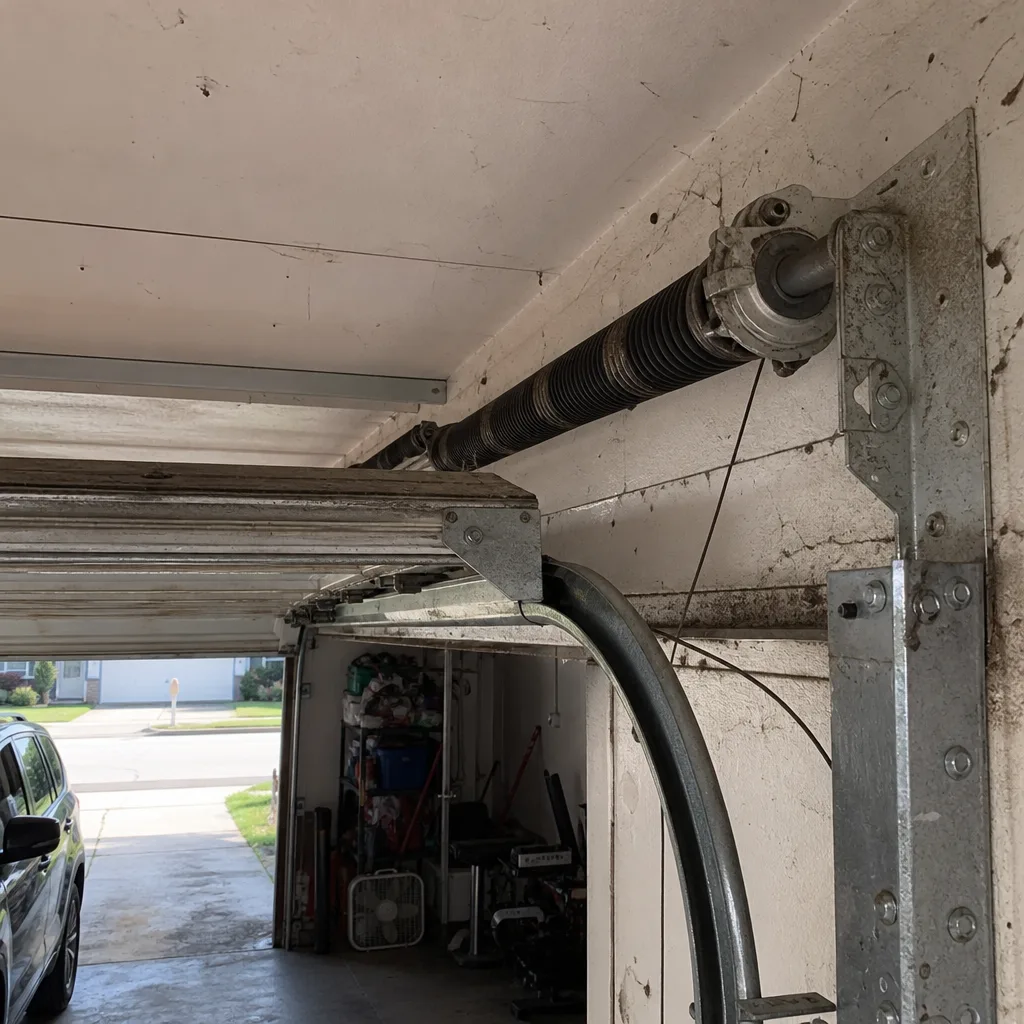
- Inspect torsion springs for surface rust. Look for orange-brown discoloration along the spring coils. Light surface rust is manageable; deep pitting means the spring is near failure. Do not attempt to clean or adjust a torsion spring yourself. These springs are under enough tension to cause serious injury or death. Call a specialist.
- Check the emergency release mechanism. With the door closed, pull the red cord. The door should manually lift smoothly. This matters during power outages, which happen often enough in storm season that West Palm Beach homeowners should test this monthly from July through September.
- Verify the storm reinforcement, if installed. If your door has hurricane bracing or reinforcement struts, check the bolts for tightness. Vibration from daily use plus humidity-driven expansion and contraction loosens them over time.
October through December (Post-Storm Recovery, Cooler and Drier)
The humidity finally drops, and this is the best time for a full professional inspection. Any damage from the wet season can be addressed before the winter surge in use.
- Schedule a professional tune-up. This is the one time of year we recommend every West Palm Beach homeowner have a specialist look at the full system. After seven months of salt and humidity, there are always small things worth catching early.
- Check all bolts and fasteners for tightness. The constant expansion and contraction of metal through our temperature swings loosens hardware at a surprising rate. A 15-minute pass with a socket wrench can prevent a lot of noise and premature wear.
- Clean the photo-eye sensors. Dust, spider webs, and the inevitable film of salt residue accumulate on the lenses. A dry microfiber cloth is all you need. If the sensors are misaligned by even a quarter inch, the door won’t close properly.
Where Salt-Air Corrosion Starts First (and How to Inspect in 10 Minutes)
If you live east of I-95 in West Palm Beach, you’re in the salt-zone. The closer you are to the Intracoastal or the ocean, the faster corrosion sets in. But even homeowners west of Palm Beach Lakes Boulevard get airborne salt carried inland on prevailing winds. Here’s exactly where we see corrosion first, listed in the order it typically appears.
The 10-Minute Corrosion Inspection
- Roller stems and bearings (2 minutes). Look at where each roller attaches to the hinge. This is ground zero for salt corrosion because the bearing is exposed and constantly moving. Red-brown powder around the stem means the bearing is degrading. If you see it on two or more rollers, they need replacement soon.
- Bottom brackets (2 minutes). These sit right where water collects. If your door sweeps water in during summer storms, the bottom brackets get a salt-and-water bath every afternoon. Look for white or greenish oxidation on the metal, which indicates the protective coating is gone and the metal is actively corroding.
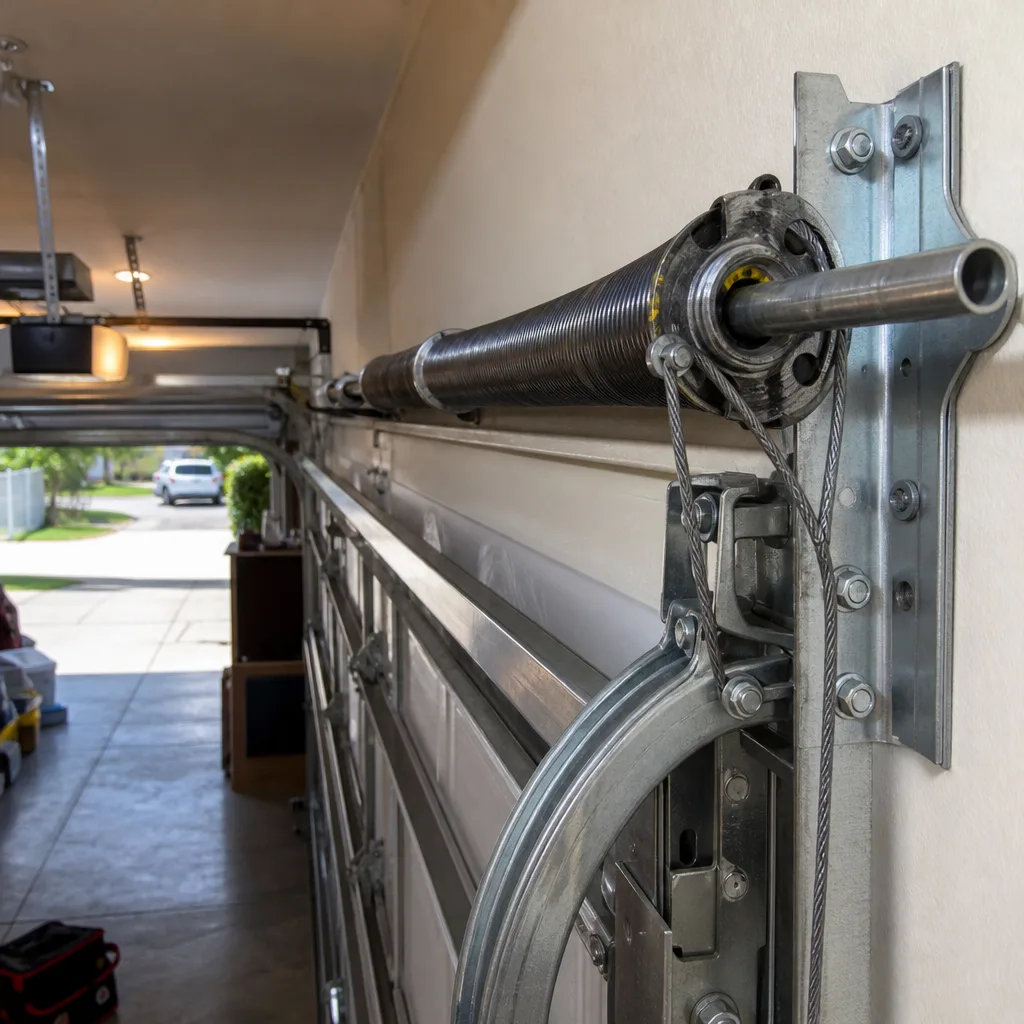
- Spring cones and jamb brackets (2 minutes). The stationary cones at each end of the torsion spring collect salt deposits that accelerate rust on the spring itself. Use a flashlight to look at the spring where it meets the cone. This is the most common site of spring failure in coastal Florida homes.
- Cable drums and lift cables (2 minutes). Look for fraying or rust spots on the cables where they wrap around the drum. A frayed cable under tension is extremely dangerous. If you see visible fraying, stop using the door immediately and call a professional.
- Hinge plates and track mounting bolts (2 minutes). Quick visual scan for rust streaking down the track or around the hinge screws. Surface rust is cosmetic; deep rust means the hardware is compromised.
In neighborhoods like Northwood or Flamingo Park, where many homes have original mid-century hardware, we routinely see corrosion that started in the cable drums and worked inward. The inspection above catches it before the door comes off its tracks.
Which Lubricants Hold Up in Florida Heat and Humidity
This is where most generic garage door maintenance advice falls apart. What works in Ohio or Arizona doesn’t automatically work in West Palm Beach. The two failure modes we see constantly are lubricants that evaporate in the heat and lubricants that attract so much grit they turn into abrasive sludge.
What to Use
- Lithium-based spray grease (white lithium). Holds up well in high heat, doesn’t run off, and resists washing away in humid conditions. Our go-to for hinges, springs, and roller bearings.
- Silicone-based garage door lubricant. Excellent for tracks and weatherstripping. It won’t attract debris, which matters in West Palm Beach where fine sand is constantly in the air. Look for a product labeled specifically for garage doors, not general-purpose silicone spray.
- Dry Teflon (PTFE) spray. Works well on photo-eye sensor housings and any place where you don’t want a wet film. Stays clean in dusty conditions.
What to Avoid
- WD-40. It’s a water displacer, not a lubricant. It evaporates within days in Florida heat and leaves metal dry and vulnerable. Using WD-40 as your regular lubricant in West Palm Beach is worse than using nothing because it strips away residual oil.
- Heavy axle grease or wheel bearing grease. It’s too thick for garage door hardware and collects sand, salt, and dust. Within weeks in our climate, it becomes grinding compound that accelerates wear on rollers and hinges.
- Penetrating oil (like PB Blaster or Liquid Wrench). These are for freeing seized parts, not for ongoing lubrication. They’re too thin to provide lasting protection and will run off within days.
- Motor oil or 3-in-1 oil. It attracts dust and sand, turning black and sticky fast in our climate. It also drips, which leaves stains on your garage floor and the top of your car.
- Place a solid object in the door’s path. A 2×4 laid flat works best because it’s heavy enough to trip the reverse mechanism consistently.
- Close the door using the wall button or remote. Watch the leading edge of the door. When it contacts the 2×4, the door should reverse and return to the open position within two seconds.
- If the door pauses, strains, or doesn’t reverse, stop testing. The force setting is too high, and the door could injure a person or pet. Do not attempt to adjust the force settings yourself without the opener’s manual, and never adjust to maximum just to make the door close.
- Lubricating hinges, rollers, and springs (from the ground, never from a ladder positioned under a tensioned spring)
- Cleaning tracks and photo-eye sensors
- Tightening accessible bolts and screws
- Testing auto-reverse and balance
- Replacing weatherstripping
- Visual inspection of all hardware
- Visible fraying on any lift cable. Cables under tension can snap violently. This is a no-second-chances situation.
- A broken or visibly rusted torsion spring. The spring is the most dangerous component on your garage door. If it breaks while you’re working near it, the recoil can cause fatal injuries. Never attempt to remove or replace a torsion spring without proper training and tools.
- Deep rust pitting on the spring coils or bearing plates. This indicates the metal is compromised and near failure.
- A door that’s come off its tracks. The weight of a door off-track is unpredictable. Attempting to force it back can drop the door on you.
- Any electric or opener-related issue beyond cleaning the sensors. Openers contain high-voltage capacitors that retain a charge even when unplugged. Touching the wrong connection can cause a dangerous shock.
- A door that fails the auto-reverse test and can’t be corrected by cleaning the sensors. The force settings need professional adjustment with proper tools.
- Skipping the balance test because “the opener handles it.” An opener that’s compensating for tired springs will burn out its motor and gear train within a year or two. That’s a $250 to $450 opener replacement that was avoidable with a $10 spring adjustment, caught early.
- Using WD-40 as a regular lubricant. As covered above, it evaporates quickly in West Palm Beach’s heat and leaves the metal dry. It also dissolves the existing lubricant, making things worse than before you sprayed.
- Greasing the tracks. Tracks should stay dry. Grease in the tracks collects sand and salt, turning into abrasive paste that grinds the rollers down faster. If your door is noisy, lubricate the rollers and hinges, not the track.
- Ignoring mild squeaks and grinding sounds. In Florida’s humidity, a small sound turns into a large problem fast. A squeak today is a seized roller in three months, which then carves a groove in the track and becomes a $400 repair instead of a $60 roller replacement.
- Tightening bolts too aggressively. The constant expansion and contraction of metal in our climate means hardware needs snugging, not cranking. Over-tightening strips threads and can crack the powder coating on brackets, creating a fresh starting point for corrosion.
- Testing auto-reverse with a lightweight object like a cardboard box. A box doesn’t provide enough resistance to reliably trip the reverse mechanism. Use a 2×4 or a full bucket. If the door reverses for a cardboard box but not for a 2×4, your force setting is still dangerously high.
- Assuming hurricane-rated doors don’t need maintenance. Hurricane reinforcement adds weight and strain to the system. Those doors actually need more frequent spring and cable checks, not fewer, because the added mass accelerates wear on every component.
One note specific to West Palm Beach: if you live within a mile of the ocean, reapply lubricant on a six-week schedule rather than quarterly. The salt load in the air is strong enough that a 90-day gap leaves metal exposed. The extra two applications per year cost about ten dollars in product and prevent hundreds in repairs.
Testing Auto-Reverse and Force Settings in Extreme Heat
Garage door openers made after 1993 are required by federal law to have an auto-reverse mechanism that detects an obstruction and reverses the door. This is the most important safety feature on your garage door system, and in West Palm Beach heat, it’s also one of the most prone to drift.
Here’s what happens: the opener’s force settings are calibrated at installation. As the temperature swings from 90-plus degrees in your garage during July afternoons to the low 60s in January, the door’s springs, tracks, and rollers change dimension slightly. The opener’s internal components also heat up, and heat changes the resistance in the motor circuits. The result is that force settings that were correct in February may be off by 10 to 15 percent by August.
Monthly Auto-Reverse Test
Sensor Alignment Test
The photo-eye sensors at the bottom of the door track are another common failure point in West Palm Beach. Heat causes the metal brackets to expand and shift. Humidity causes wooden frame sections to swell. The combined effect is that sensors that were perfectly aligned in March may be off by enough to prevent the door from closing at all by June.
Test: with the door open, press the close button and wave your hand across the sensor beam at about ankle height. The door should stop and reverse. If it doesn’t, clean the sensor lenses first, then check that the small indicator lights on both sensors are illuminated. If one light is out or blinking, the sensor is misaligned or faulty. A misalignment can often be corrected by gently adjusting the sensor bracket, but if the light stays out after cleaning and realigning, the sensor needs replacement.
We see this pattern constantly in West Palm Beach: a homeowner calls us in July because the door won’t close, and the culprit is a sensor that drifted out of alignment thanks to thermal expansion. A two-minute fix, but it looks like a major failure if you don’t know what to check.
The Threshold: When DIY Maintenance Becomes a Professional Repair
Most of the monthly and quarterly tasks in this guide are safe for a homeowner to handle. Some are not. Knowing the difference is a big part of keeping both you and your door safe. Here’s the line.
DIY-Safe Tasks
Call a Professional If You See Any of These
If you hit any of these conditions, garage door repair in West Palm Beach from Langston is a single phone call away. We carry replacement springs, cables, rollers, and brackets on the truck, so most repairs are completed in a single visit.
Brand-Specific Maintenance Notes: LiftMaster, Chamberlain, Genie, Raynor
Different brands have different maintenance profiles. If you know what’s on your ceiling or above your door, here’s what to watch for.
LiftMaster and Chamberlain Openers
These two brands share a parent company and use similar designs. The drive gear and belt tend to be durable in our climate, but the logic boards are sensitive to the electrical surges that happen during West Palm Beach’s frequent summer lightning storms. If your LiftMaster or Chamberlain opener stops responding after a storm but the motor still hums, the board may have been damaged. A surge protector on the opener’s outlet is a worthwhile fifteen-dollar investment. On the mechanical side, Chamberlain’s plastic gears in the opener head can strip if the door’s balance is off, which is why the balance test above matters. If your Chamberlain door struggles to open but the springs look fine, the gear is probably wearing down.
Genie Openers and Systems
Genie openers, particularly older screw-drive models, require more regular lubrication than belt or chain drives. In West Palm Beach humidity, the screw itself attracts condensation, which mixes with dust and creates a paste that makes the opener work harder. If you have a Genie screw-drive opener, apply a light coat of white lithium grease to the screw every three months without fail. We also see more Genie wall-console failures in humid conditions than with other brands; the membrane buttons absorb moisture over time and become unresponsive. Keep a remote handy as a backup.
Raynor Doors
Raynor doors are known for durability, but their hardware is often exposed more than competitors’ designs, which means our salt air has easier access to hinges and springs. Pay special attention to the spring cones and bottom brackets during your inspections. We’ve also noticed that Raynor’s older residential doors, especially those installed in the 1990s and 2000s in developments like River Walk or Bay Winds, tend to have rollers that seize rather than gradually degrade. If you hear a grinding or squealing when the door moves, stop using it and have the rollers replaced before the seized bearing chews through the track.
Garage door opener repair in West Palm Beach is a dedicated service at Langston precisely because brand-specific quirks like these determine the fix. One call covers it, whether the issue is mechanical, electronic, or both. We work on the door you already have, from opener to overhead panel.
Common Mistakes to Avoid
When to Call a Professional
Some situations don’t wait for your next maintenance day, and some are never safe to handle on your own regardless of how handy you are. Call a garage door specialist if you see a broken or deeply rusted spring, any fraying on a lift cable, or a door that’s come off its tracks. Also call if your opener makes grinding noises, won’t respond to the wall button or remote, or trips the breaker repeatedly. These are signs of an electrical failure that can escalate into a fire hazard if ignored. Langston Garage Door Repair offers free estimates in West Palm Beach. Call (833) 302-7392 and a technician will diagnose the issue on site. We work on eight major brands, including LiftMaster, Chamberlain, Genie, and Raynor, so the truck is stocked for most repairs when we arrive.
Frequently Asked Questions
Lubricate hinges, rollers, springs, and bearing plates every three months if you live inland, and every six weeks if you’re within a mile of the ocean. Salt-laden air strips lubrication faster, and the humid season from May through October demands more frequent attention. Call (833) 302-7392 if you’re unsure what your door needs; we’ll tell you exactly what to use for your specific hardware.
A professional garage door tune-up in West Palm Beach typically runs $120 to $220, depending on the door type and the number of adjustments needed. That includes lubrication, balance testing, safety sensor alignment, hardware tightening, and a written report on wear items. A tune-up costs a fraction of the $600 to $1,200 spring replacement or $400-plus track repair it can prevent. Call (833) 302-7392 for an exact quote; estimates are free.
Yes. Within months, untreated metal hardware in West Palm Beach can develop surface rust that leads to pitting and eventually structural failure. The cable drums, spring cones, and roller bearings are the first components to show damage. Regular lubrication and inspection slow the process dramatically, but coastal homes should expect to replace rollers and cables more frequently than inland properties.
Hurricane-rated doors have additional reinforcement struts and heavier hardware, which means more weight and more strain on springs and cables. Check the reinforcement bolts for tightness every quarter, and expect the torsion springs to have a shorter service life than standard doors. Have a professional inspect a hurricane-rated door at least once a year, ideally in October or November after storm season ends.
Langston’s technicians are trained on LiftMaster, Chamberlain, Genie, and Raynor equipment, along with several other common residential brands. If your opener is something less common, call us anyway; we’ll assess your system and tell you honestly whether repair or replacement makes sense. You won’t get a sales pitch; you’ll get a straight answer about your options and a written price before any work begins.
No. The price we quote is the price you pay. We confirm the cost with you in writing before any work starts, and no repair proceeds without your approval. If we discover something unexpected, we’ll show you what we found and get your sign-off on any additional work separately. Call (833) 302-7392 for a free estimate; the number you hear is the number you’ll pay.
The Bottom Line
A garage door in West Palm Beach lives a hard life. Salt air, humidity that hovers near saturation for half the year, and storm-season power fluctuations all combine to wear down springs, rollers, cables, and openers faster than almost anywhere else in the country. The maintenance checklist above is your best defense: a monthly safety test, quarterly lubrication with the right products, and a professional inspection once a year. Invest sixty to ninety minutes a year in preventive care, and you’ll avoid the surprise failures that leave you parked in the driveway on a July afternoon. If you’d rather hand the whole thing to someone who does this every day, Langston’s installation and repair team covers everything from a single roller to a full system replacement. Garage doors are all we do. Visit our home page to learn more about how we serve West Palm Beach homeowners.
Written by the team at Langston Garage Door Repair, serving West Palm Beach since 2012. For more guides & resources, visit our blog.
See the difference
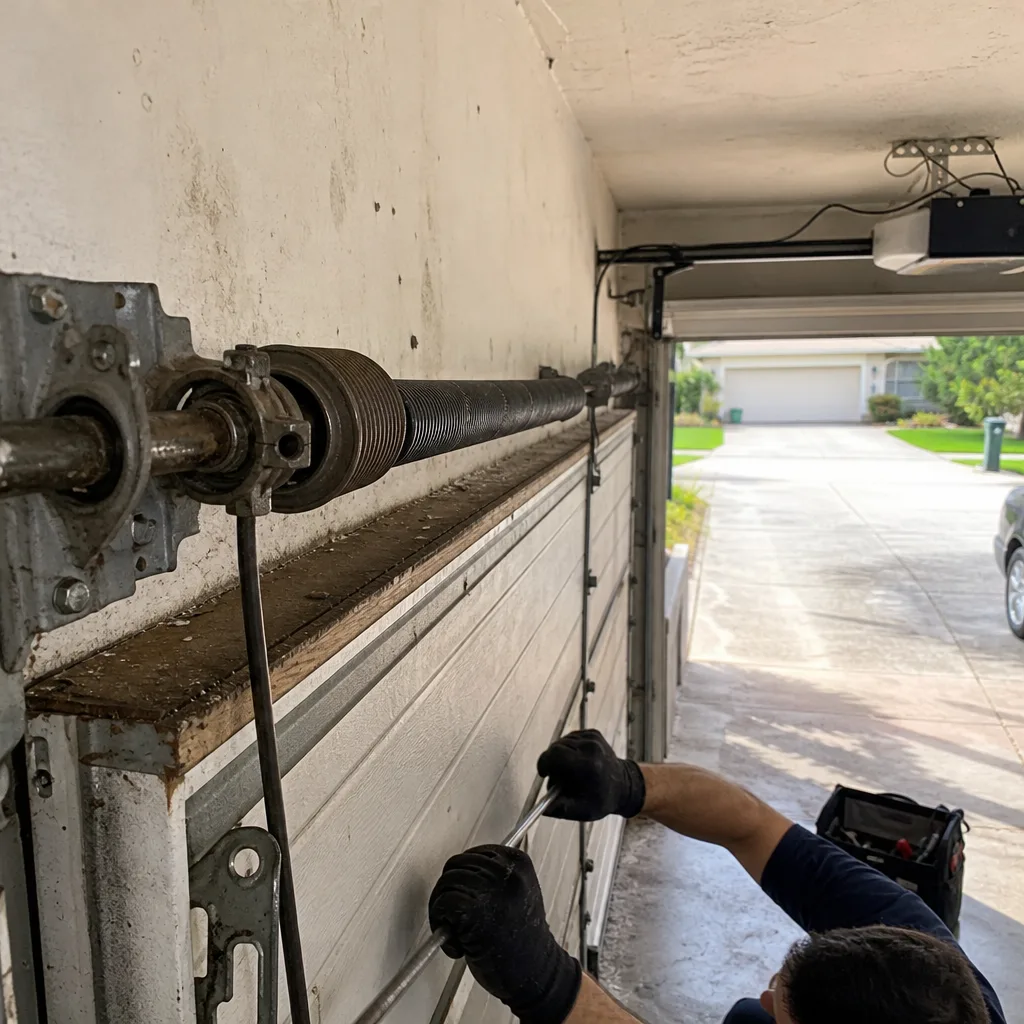 Before
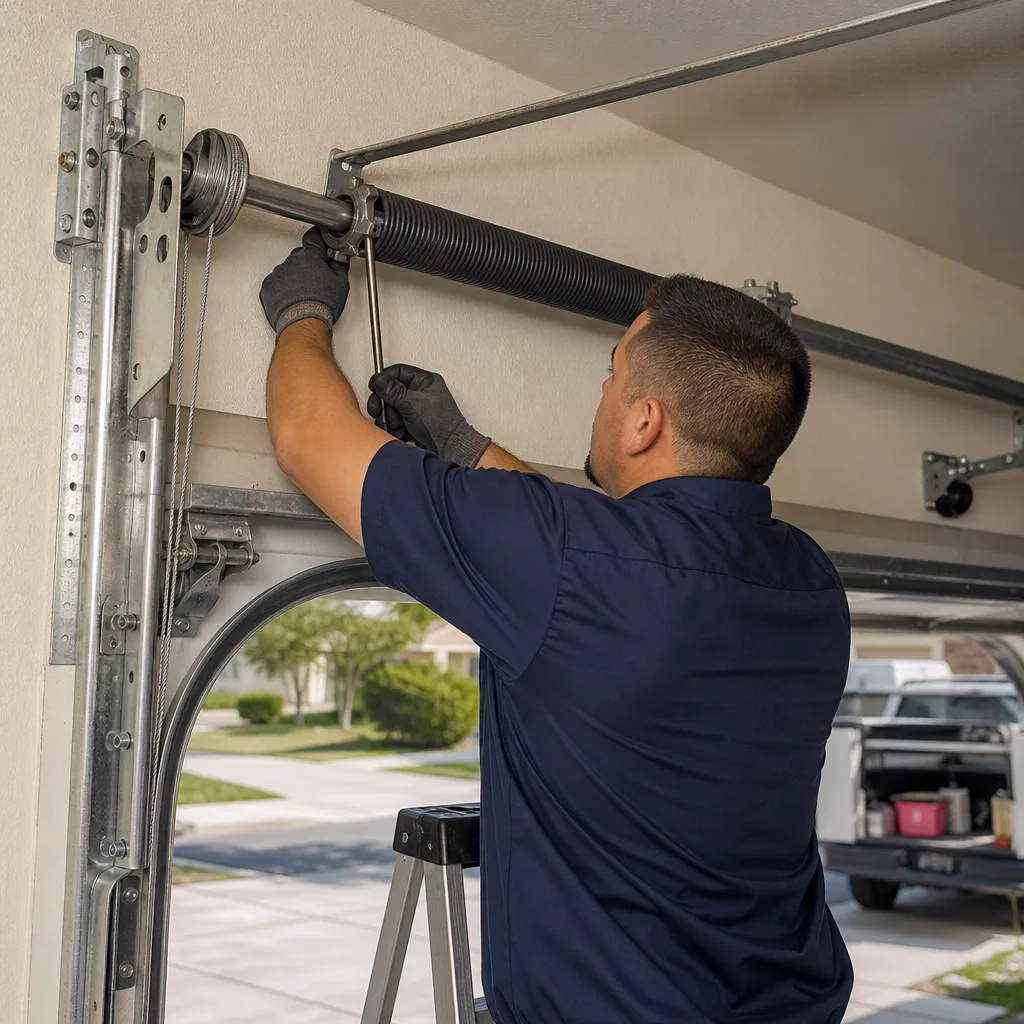 After
 Before
 After
 Before
 After