
Last updated October 30, 2026
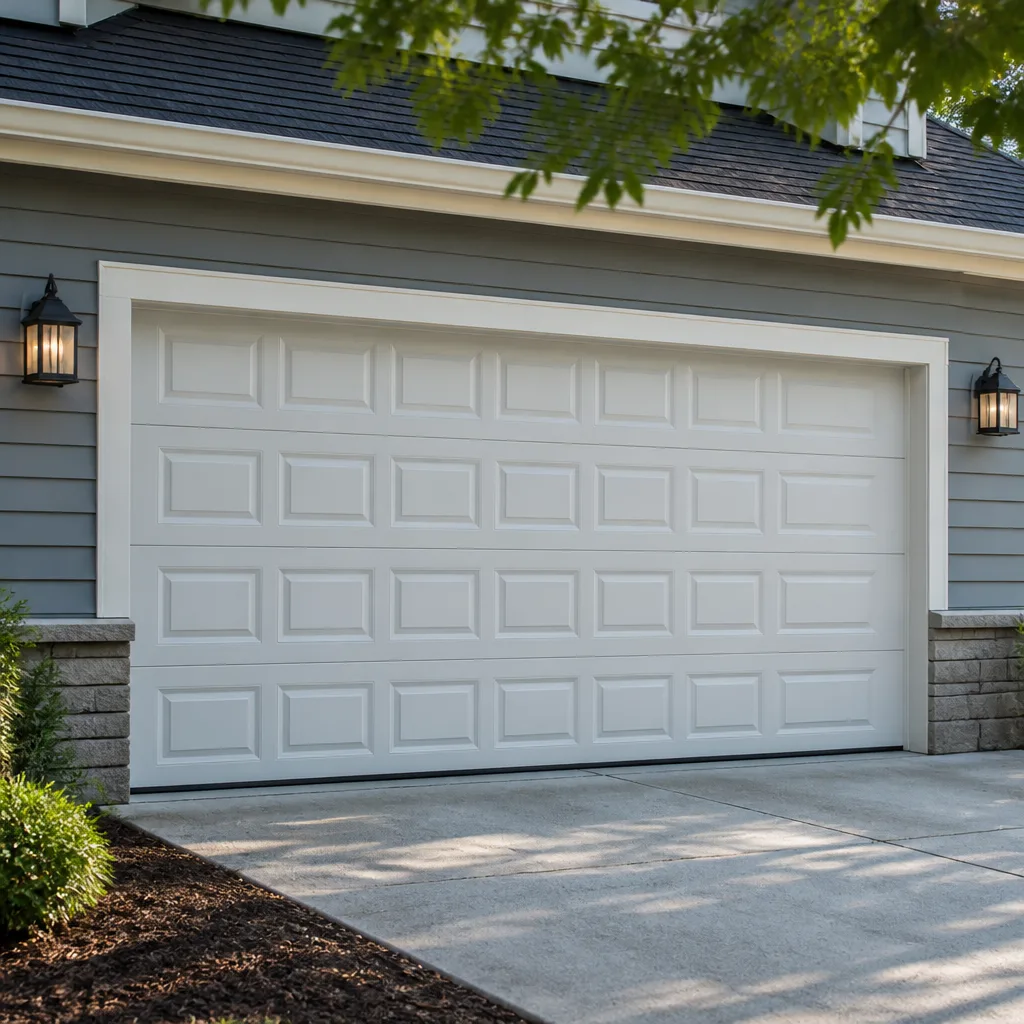 Raised-panel steel
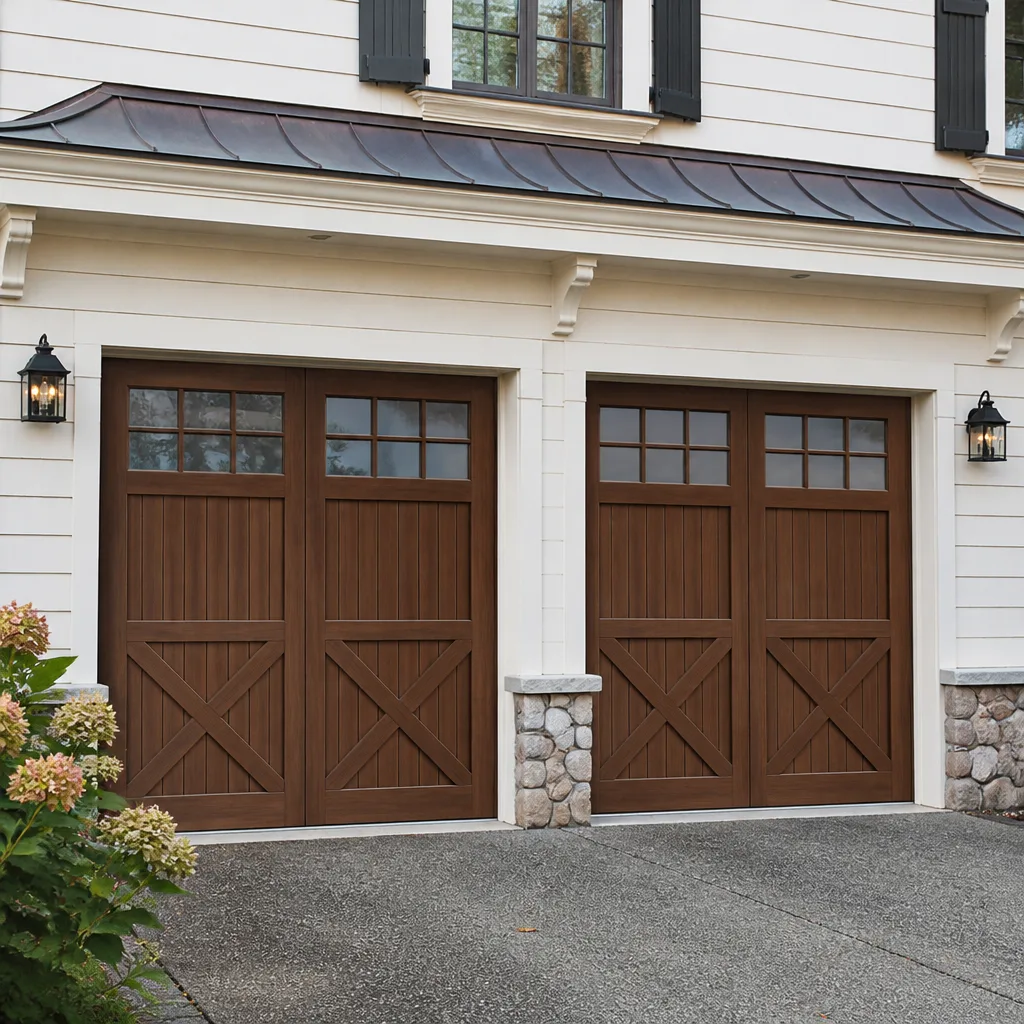 Carriage house
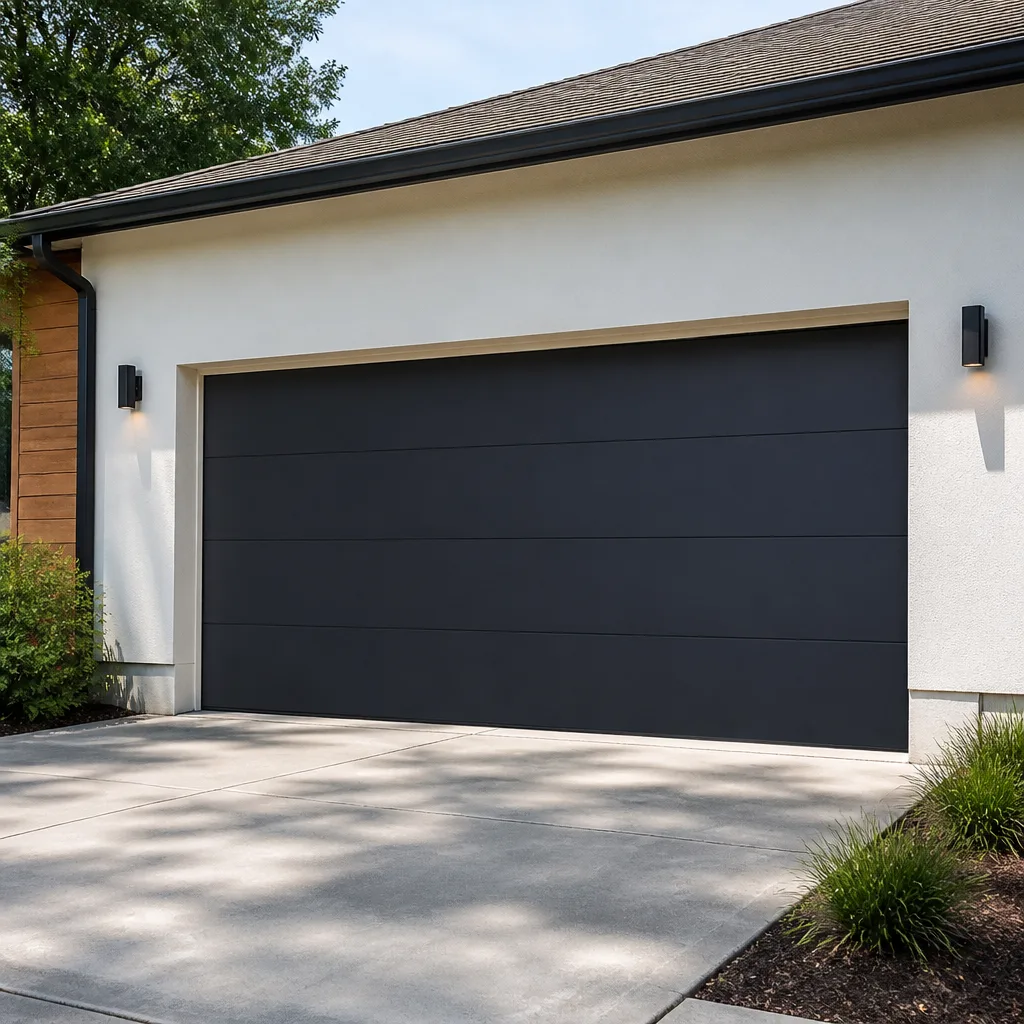 Modern flush
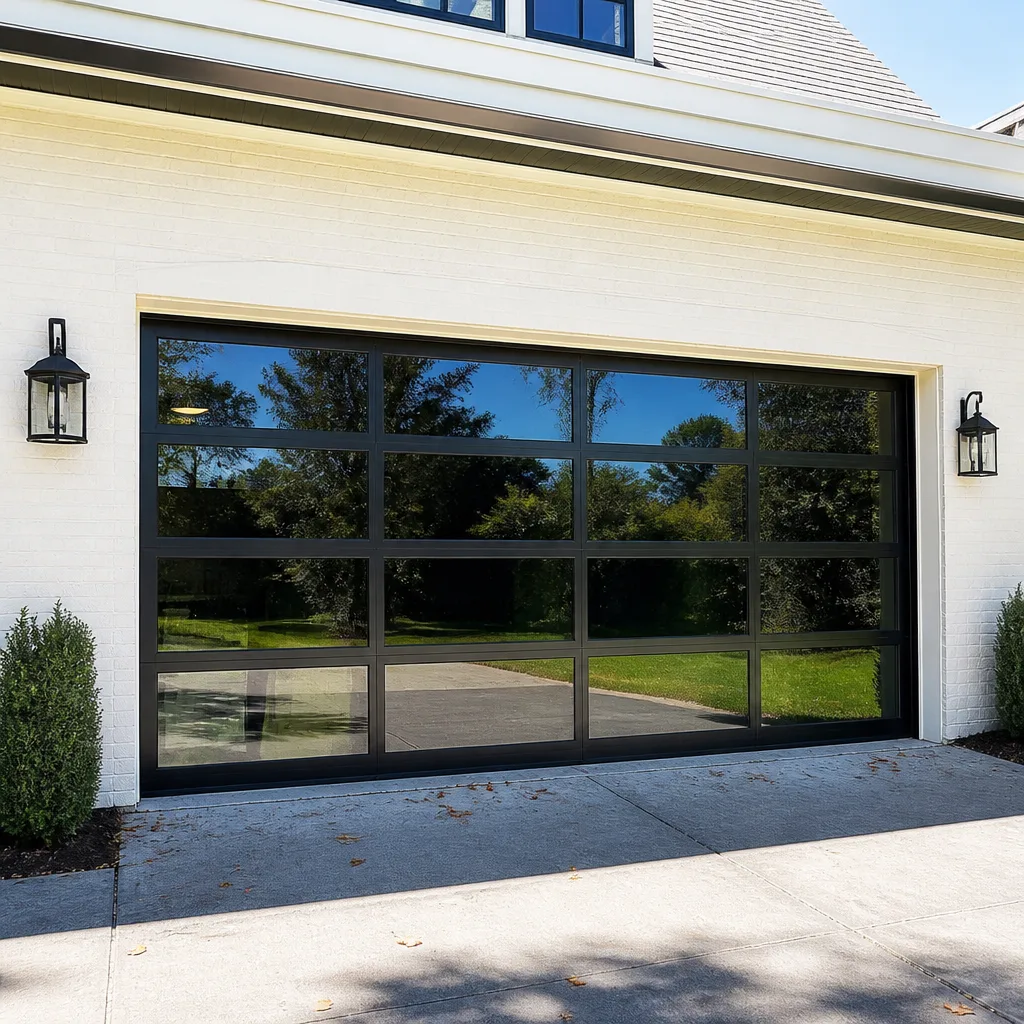 Full-view glass
 LiftMaster openers
 Chamberlain openers
Full 25-point door and opener safety check with every visit - springs, cables, rollers, tracks, and your LiftMaster or Chamberlain opener included
You get a price before we start. It does not change when the truck arrives.
Get your free estimateDIY vs Professional Garage Door: The West Palm Beach Homeowner’s Decision Guide
A torsion spring on a standard residential garage door stores roughly enough mechanical energy to lift a small car. When it breaks, that energy releases in a fraction of a second, and if your hand is near the winding cone, the result is a shattered hand or a torn forearm, not a cut. Yet “how to replace garage door spring” remains one of the most-searched DIY tutorials on YouTube, and every month in West Palm Beach, someone watches a nine-minute video and decides to try it. This guide is not a lecture about what you’re capable of. It’s a clear-eyed breakdown of which garage door tasks genuinely belong in the do-it-yourself column, which belong to a specialist, and why the line between them is in a different place than most people assume. For more guides & resources, visit our blog.
Styles & brands we work with
Quick Answer
Most garage door maintenance tasks in West Palm Beach are safe to handle yourself: cleaning photo-eye sensors, reprogramming remotes, lubricating hinges, and replacing weatherstripping all fall comfortably in the DIY category. But anything involving torsion springs, extension springs, lift cables, or bottom brackets carries real risk of severe injury and should go to a professional. Before you attempt any repair, the honest question is not “Can I figure this out?” but “Is the consequence of a mistake a wasted afternoon or a trip to St. Mary’s trauma center?”
Table of Contents
- The Tasks That Are Genuinely Safe to DIY
- The Tasks That Are Genuinely Dangerous
- The Florida Factor: Humidity, Heat, and Spring Cycles
- The Cost Comparison: Parts-Only DIY vs. Professional Repair
- The Permitting Problem: Botched DIY and Resale
- What to Tell the Technician When You’ve Already Attempted a Repair
- Common Mistakes to Avoid
- When to Call a Professional
- Frequently Asked Questions
- The Bottom Line
The Tasks That Are Genuinely Safe to DIY
We want to be direct about this: we’re a garage door company, and we still think you should handle some of this yourself. Not because we don’t want the work, but because paying a service call fee to clean a sensor that takes ninety seconds and a dry cloth is not a good use of your money. Here’s what’s genuinely in your lane.
Photo-Eye Sensor Cleaning and Realignment
The most common reason a garage door won’t close in West Palm Beach is two sensors at the bottom of the track that are misaligned or covered in dust and grime from months of Florida humidity. The fix is usually nothing more than wiping the lens with a dry cloth and nudging the bracket until the small indicator light glows steady. No tools, no danger, no reason to pay someone.
Remote and Keypad Reprogramming
If your remote stopped working after a storm or a battery change, the fix is in your opener’s manual. LiftMaster, Chamberlain, Genie, and Craftsman all use slightly different programming sequences, but every one of them is a simple series of button presses. You will need a stepladder to reach the learn button on the motor unit, but that’s the only physical challenge. We’ve walked dozens of West Palm Beach callers through this over the phone because it feels wrong to bill someone for it.
Lubrication and Basic Upkeep
Twice a year, spray a garage door lubricant (not WD-40, which is a solvent, not a lube) on the hinges, rollers, and the torsion spring itself. This is a five-minute job that meaningfully extends the life of your hardware, especially in coastal Florida air where salt accelerates wear. You can also inspect the weatherstripping along the bottom of the door and replace it if it’s cracked or pulling away. The seal slides into a channel and cuts to length with scissors.
What You Need
- Dry cloth for sensor cleaning
- Garage door lubricant, not general-purpose spray
- Replacement weatherstripping sized to your door width
- Your opener’s model number and manual
If you’re unsure whether a task fits in this category, call us and ask. If the answer is “you can do that,” we’ll tell you. Our Langston Garage Door Repair home page outlines what we handle, but we’re also glad to tell you what you don’t need us for.
The Tasks That Are Genuinely Dangerous
Now the other column. These are the jobs where the risk is not a broken part, it’s a broken body.
Torsion Spring Replacement
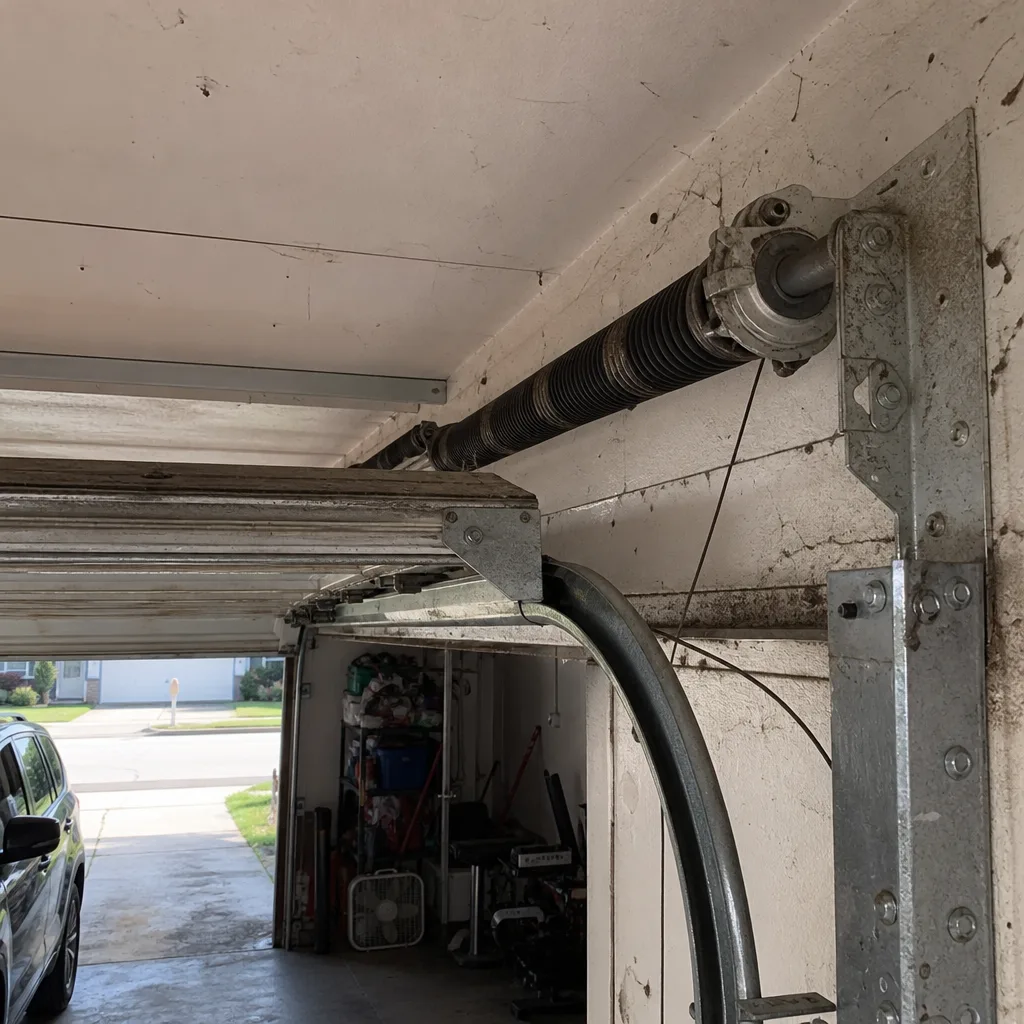
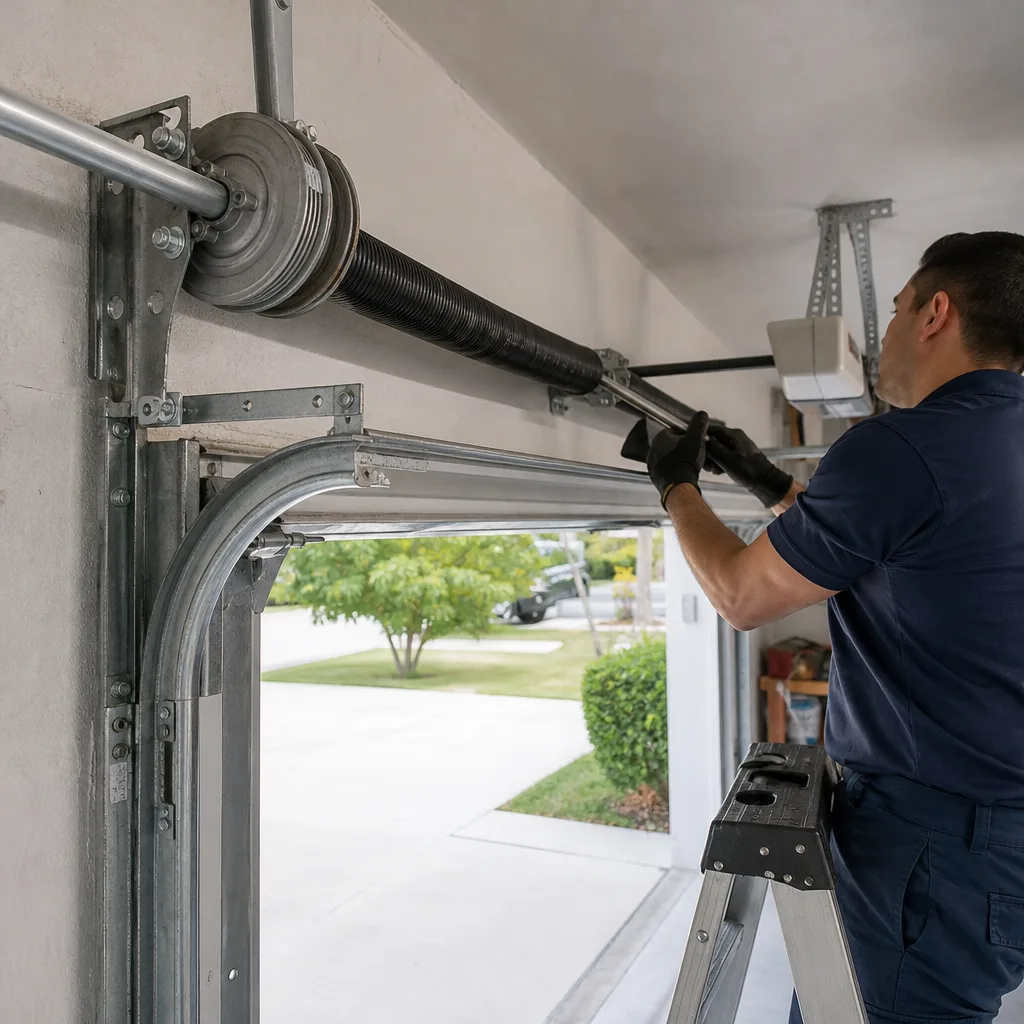
A torsion spring is a tightly wound coil mounted above the door opening. It stores energy by winding, and that energy is what lifts the door, which can weigh 150 to 400 pounds depending on material. Replacing one requires winding and unwinding that spring with steel rods under high tension. If a rod slips or the cone breaks, the spring unloads instantly. In our experience as garage door specialists in West Palm Beach, half the DIY spring calls we arrive at are actually second-attempt calls, where the homeowner got partway through, realized the spring wasn’t seated correctly, and stopped. The other half should have stopped. This is the single most dangerous item in your garage, and we say that without exaggeration. A trained professional has the correct winding bars, understands how to balance the door after installation, and knows that the spring wire diameter, length, and inside diameter all have to match your door’s weight exactly, not approximately.
Lift Cables and Bottom Brackets
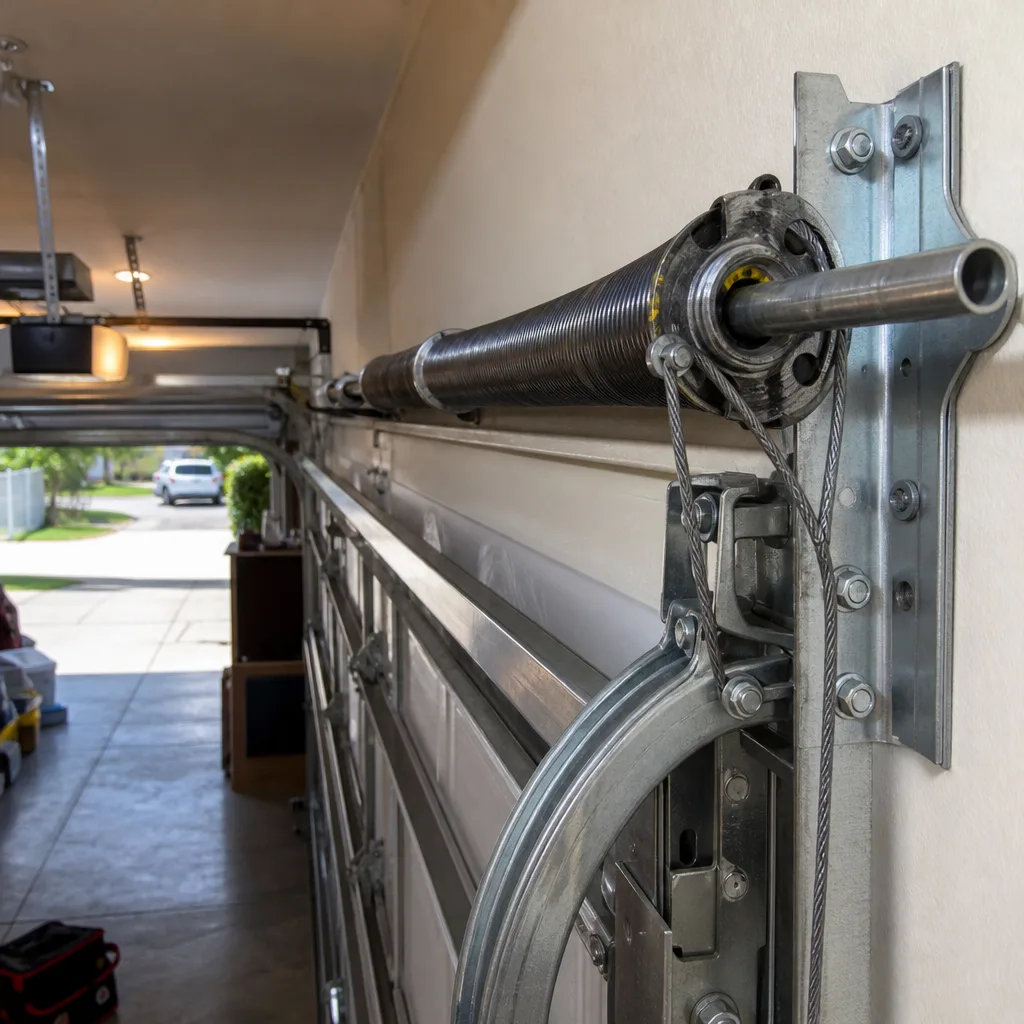
The cables on either side of your door attach to a bottom bracket that is under full spring tension even when the door is up. If a cable snaps or you unbolt the wrong bracket, the cable can whip, and the bracket can become a projectile. These components are directly linked to the spring system, which means the danger is not visible. The door can look perfectly normal while storing lethal energy in the cable assembly.
Track Realignment
A garage door track that’s out of alignment usually means the door is binding, which puts uneven load on the spring system and can cause a sudden failure. Realigning track involves loosening mounting bolts while the door is in position, and if the door shifts, you can be pinned or struck. This is not the same as tightening a loose bolt on a shelf. Track work should be done by someone who understands how the door’s weight distributes across the full system, and who has the equipment to safely brace the door during adjustment.
Safety note: If you open your garage and see a gap in a torsion spring or a frayed cable, do not operate the door. Unplug the opener and call a professional. A broken spring on a door with the opener still engaged can cause the motor to fight the unbalanced door, yank the cable, and damage the panel or the track. For West Palm Beach homeowners, we handle Garage Door Repair in West Palm Beach including spring and cable failures, and we’re clear about what can’t wait.
The Florida Factor: Humidity, Heat, and Spring Cycles
Here’s the part most national DIY guides miss. Springs are rated in cycles, and in West Palm Beach, you go through cycles faster than the national average. Why? Heat, humidity, and coastal salt work on the coil itself, but more importantly, heat drives heavier use. A homeowner in Ohio opens their garage maybe three times a day. A homeowner in South Florida opens it six to eight times, because the garage door is the primary entry point into the house. You’ll often find the front door unused and the garage is the real entry, which means more cycles, which means faster spring fatigue.
High-cycle springs, rated for 25,000 to 50,000 cycles instead of the standard 10,000, are the correct choice for this climate. They cost more than basic springs and are not sitting on the shelf at Home Depot or Lowe’s, because big-box stores stock for the national average, not for a subtropical coastal city. A Clopay or Amarr door originally equipped with standard springs will fail earlier here than its warranty suggests, simply because Palm Beach County’s climate is harder on everything mechanical. When you buy a door in West Palm Beach, the spring should be upsized in cycle rating and, if you’re within a few miles of the intracoastal waterway, potentially finished for corrosion resistance. That’s a specification call a specialist makes, not one you’ll find on a YouTube tutorial.
The Cost Comparison: Parts-Only DIY vs. Professional Repair
Let’s be honest about numbers, because the DIY case is usually framed as “why pay $200 for a job when the part is $40?” That framing is missing most of the real arithmetic. For a full picture, see our Garage Door Cost Breakdown: The West Palm Beach Homeowner’s Reference for 2026. Here’s a realistic West Palm Beach comparison for a torsion spring replacement:
- DIY path: A pair of standard springs from a big-box store runs $45 to $60. But you also need winding bars, which most people don’t own, around $20 to $35. Add a garage door torsion spring tool set with safety cables if you’re doing it properly. Total parts and tools: $90 to $130. Then factor the time: for a first-timer, plan on two to four hours, plus a trip back to the store for the wrong-size spring or a missing part. Then factor the risk: if you get the spring wire diameter wrong or the winding count wrong, the door won’t balance, the opener burns out its gear, or you injure yourself. A failed DIY attempt that then requires a professional call means you’ve paid for the parts twice and the labor once.
- Professional path: In West Palm Beach, a spring replacement typically runs $180 to $340 for a standard two-spring system, depending on spring size, cycle rating, and door weight. That price includes the correct springs, winding, balancing, testing, and typically some form of workmanship warranty. We quote the price before any work starts, and the price does not change once we see the door unless the scope changes with your approval.
For opener repairs, the comparison is similar. A replacement logic board for a Chamberlain opener costs $60 to $100 online, but diagnosing the board as the problem (rather than the capacitor, the travel module, or the wall control) is the actual expensive part. If you replace the wrong component, you’ve spent the part cost and the door still won’t move. Our Garage Door Opener Repair in West Palm Beach service exists because we’ve seen too many homeowners replace three components before finding the real fault. The diagnostic step is where the value lives, and it’s the step YouTube can’t do for you.
The Permitting Problem: Botched DIY and Resale
Here’s something most DIY discussions never touch: a garage door replacement in West Palm Beach may require a permit, depending on the scope and your municipality’s current rules. See our Garage Door Permits, Codes & Inspections in FL: What You Need to Know for details. When a professional installs a new door, the permit is pulled, the work is inspected, and the record is clean. When a homeowner installs a door themselves and skips the permit, the work exists in a gray zone that becomes a problem at resale.
Florida home inspections routinely flag unpermitted work, and a garage door is a visible item. If the inspector sees a newer door but no permit record, the seller typically has to either retroactively permit the work (which may fail if the installation doesn’t meet current wind-load requirements) or offer a credit. In Palm Beach County, wind-load requirements for garage doors are stricter than in most of the country because of hurricane code. A door that opens and closes fine may still not meet wind-load spec, and that deficiency only surfaces when you try to sell.
A professional Garage Door Installation in West Palm Beach includes the permitting conversation as part of the estimate. We tell you if your project needs a permit, we pull it when required, and the work is done to code. That’s not an upsell, it’s the difference between a door that works and a door that’s actually legal to own. When you’re comparing DIY versus professional, the permit is a line item that usually erases the apparent DIY savings entirely.
What to Tell the Technician When You’ve Already Attempted a Repair
Here’s a scenario we see regularly in West Palm Beach: a homeowner starts a repair, gets partway through, realizes it’s beyond them, and then calls us. For how to avoid this situation, read our Garage Door Emergency Preparedness Guide for West Palm Beach Homes. What they tell us in that first call determines how quickly the job goes.
The single most useful thing you can tell us is the truth. “I loosened the spring and I’m not sure I put it back right” is infinitely better than “the spring just broke.” We are not going to lecture you. We are going to price the job differently because we know we’re walking into a partially disassembled system, and we’re going to bring extra parts because we know something may have been damaged in the attempt. Honesty speeds up the job and lowers the final bill.
What actually happens when you don’t tell us: the tech arrives expecting a straightforward spring replacement, finds the winding bars still in the spring, the set screws stripped, and the cable drum unwound. Now the job is a rescue, not a replacement, and it takes twice as long. The price changes because the scope changed, and you’re frustrated because the quote didn’t hold. That frustration was avoidable.
We’ve never once declined a job because the homeowner tried it first. We’ve taken over dozens of half-finished DIY repairs in West Palm Beach, and the only difference between the easy rescues and the hard ones is whether the homeowner was upfront about what had been done. If you’ve already started, say so. We’ll work with what’s there.
Common Mistakes to Avoid
- Using WD-40 on a garage door. WD-40 is a cleaner and solvent, not a lubricant. It strips the existing lubrication and leaves metal surfaces dry, which accelerates wear on hinges, rollers, and springs. In humid West Palm Beach air, a dry hinge starts squealing within weeks.
- Replacing one spring instead of both. Springs are typically installed in pairs and wear at the same rate. Replacing only the broken one leaves you with an unbalanced door and a second spring that will fail soon, meaning two service calls instead of one. This is one of the most common DIY and handyman mistakes we see across Palm Beach County.
- Guessing the spring size. Torsion springs are specified by wire diameter, inside diameter, length, and wind direction. “It looked about the same” is how doors end up unbalanced, throwing off the opener and wearing out cables prematurely. A spring that’s close but wrong is worse than a spring that’s obviously wrong.
- Disconnecting the emergency release with the door open. The red cord hanging from your opener is the emergency release, and pulling it with the door in the raised position can send a broken-spring door crashing down. If the door is up and you suspect a spring issue, leave the cord alone and unplug the opener instead.
- Ignoring a slow-moving door. A door that’s suddenly slower than usual is telling you something: a dying spring, a failing capacitor, or a motor in distress. In West Palm Beach’s heat, continued operation of a struggling opener often turns a $150 repair into a $400 motor replacement.
When to Call a Professional
Call a professional if your garage door has a broken torsion spring, a frayed or snapped cable, a door that’s come off its track, or an opener that’s making a grinding noise and not moving. Call if the door is heavy to lift manually, which indicates spring failure. Call if you’ve already attempted a repair and are not certain it’s correct. Langston Garage Door Repair offers free estimates in West Palm Beach – call (833) 302-7392 and we’ll walk through what’s happening over the phone first, then schedule a visit if it’s needed.
We’re a garage door company and nothing else. That’s not a slogan, it’s the entire business. We don’t do plumbing, we don’t do electrical, and we won’t try to sell you a new door when your current one needs a $40 part. Your door brand matters to us because we work on the systems you already have, whether that’s a Clopay, Amarr, Wayne Dalton, or Craftsman. When the fix is something you can handle, we’ll say so. When it’s not, we’ll be straight about why.
Frequently Asked Questions
You should not. Torsion spring replacement is the most dangerous task in a residential garage, carrying a real risk of severe hand, arm, or facial injury from stored spring energy. In West Palm Beach’s climate, you also need a spring rated for higher cycle counts than what’s typically sold at big-box stores, and getting that specification wrong means a second repair within a few years. Call (833) 302-7392 for a spring replacement quote – the price is always agreed before work starts.
A professional spring replacement in West Palm Beach typically costs between $180 and $340 for a standard two-spring system, depending on door weight, spring size, and cycle rating. DIY parts and tools run $90 to $130, but you don’t get the expertise, the balancing, or the warranty, and a mistake often means paying for both the failed DIY attempt and the professional fix.
You can safely handle photo-eye sensor cleaning and alignment, remote and keypad reprogramming, lubrication, and weatherstripping replacement. None of these tasks involve stored spring energy, and none require specialized tools. If you’re not sure whether a task fits, call a garage door specialist and ask – we’ll tell you honestly.
High humidity and heat accelerate spring wear, and Florida homeowners open their garage doors more often than the national average, often six to eight times per day because the garage is the primary entry point. Standard 10,000-cycle springs wear out noticeably faster than their rating suggests, which is why high-cycle springs, rated for 25,000 to 50,000 cycles, are the right choice for this climate.
If the work was unpermitted or doesn’t meet current wind-load code, it can surface at inspection and force a retroactive permit or a seller credit. In Palm Beach County, garage door wind-load requirements are stricter than most of the country, and a door that works may still not meet code. Professional installation includes the permitting conversation and the inspection record.
Yes, and we do it regularly in West Palm Beach. The key is to tell the company exactly what you’ve done before they arrive, because a partially disassembled system requires different parts and more time than a straightforward repair. Honesty at the first call keeps the price accurate and the job moving.
In most cases, no. A new door installation in West Palm Beach typically costs several times what a spring, cable, or panel replacement costs. You should replace the door when the panels are damaged beyond repair, the door is over 15 to 20 years old, or you need a current wind-load-rated door. Otherwise, targeted repair is almost always less expensive.
The Bottom Line
The DIY-versus-professional decision on a garage door is not about whether you’re handy. It’s about whether the task you’re considering carries a consequence you’re willing to accept, and whether you can buy the right parts for a West Palm Beach climate at a local store. Sensors, remotes, and weatherstripping are genuinely your domain. Springs, cables, and track work are genuinely not. When the job crosses into the dangerous column, call a specialist who does nothing else. Langston Garage Door Repair offers free estimates in West Palm Beach at (833) 302-7392, with the price agreed before any work begins.
Written by the team at Langston Garage Door Repair, serving West Palm Beach since 2012.
See the difference
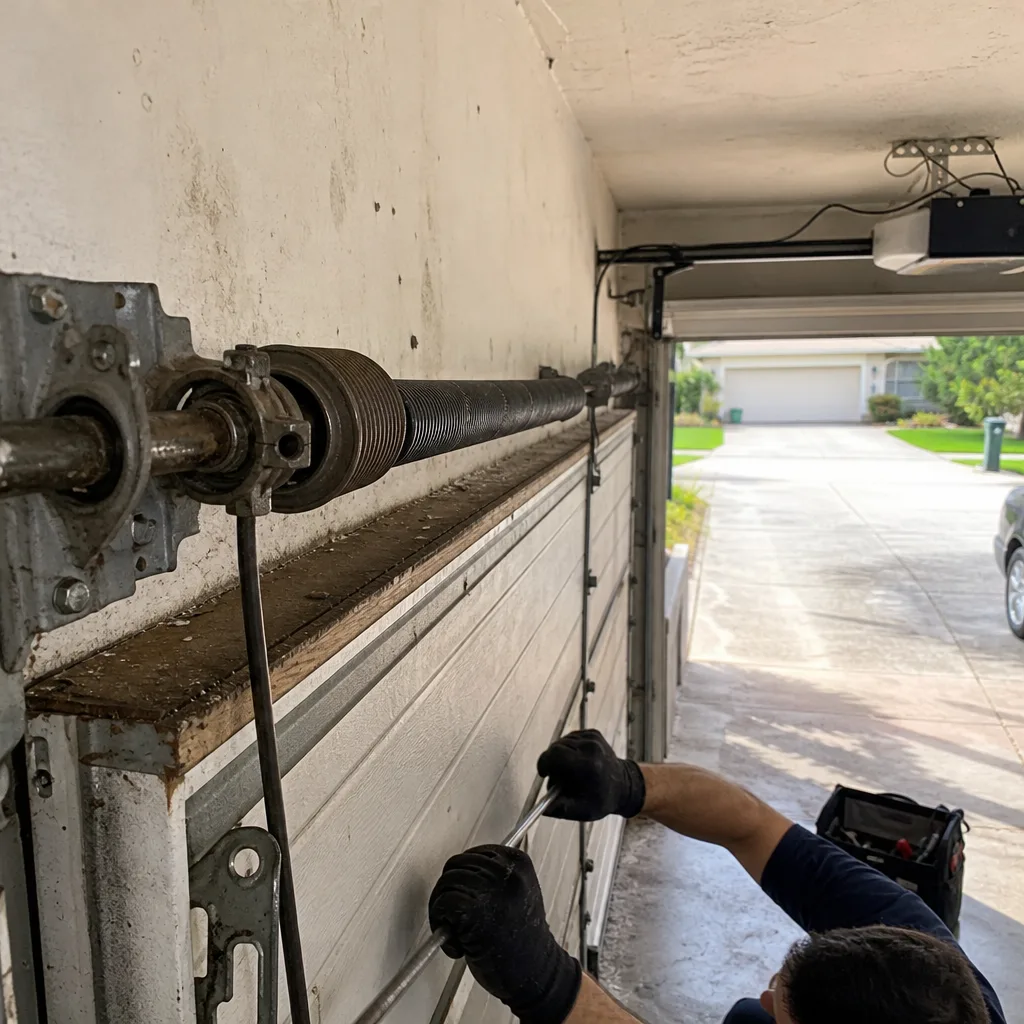 Before
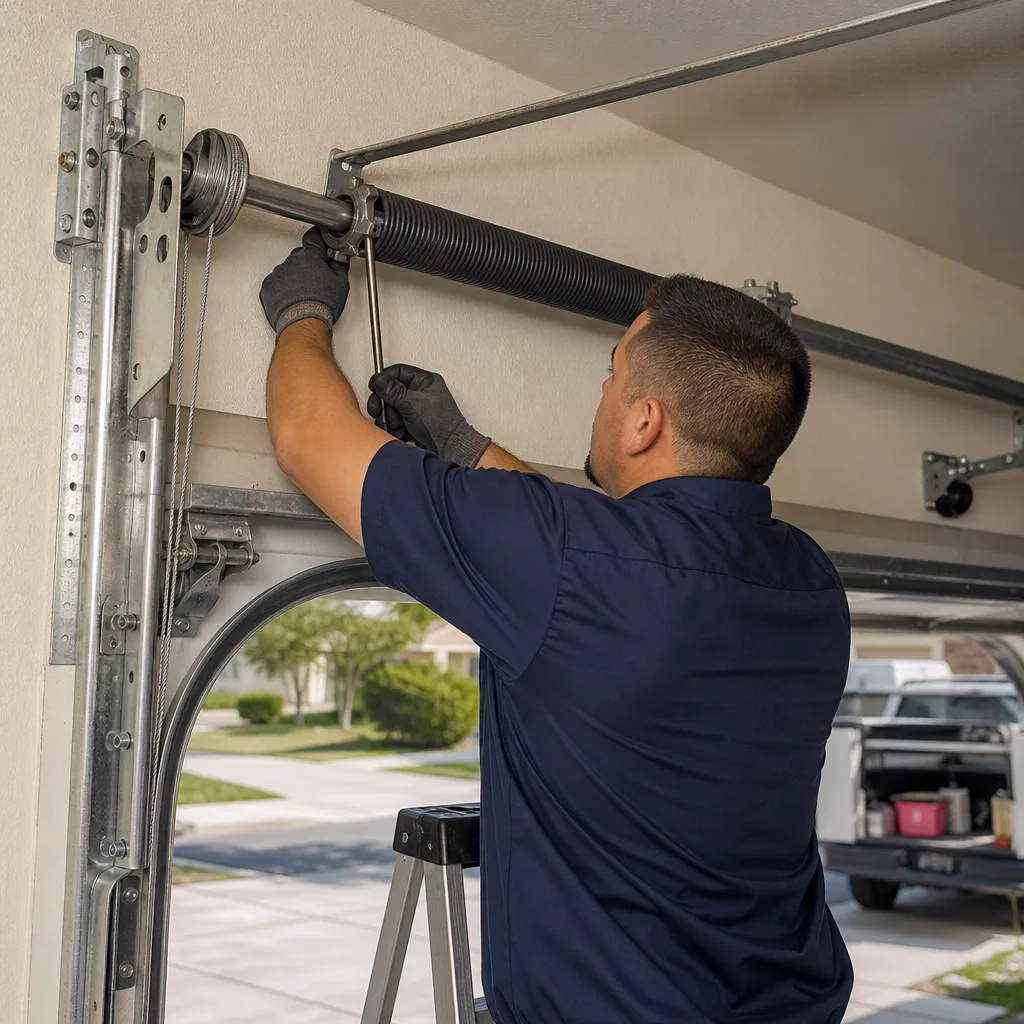 After
 Before
 After
 Before
 After