
Last updated October 30, 2026
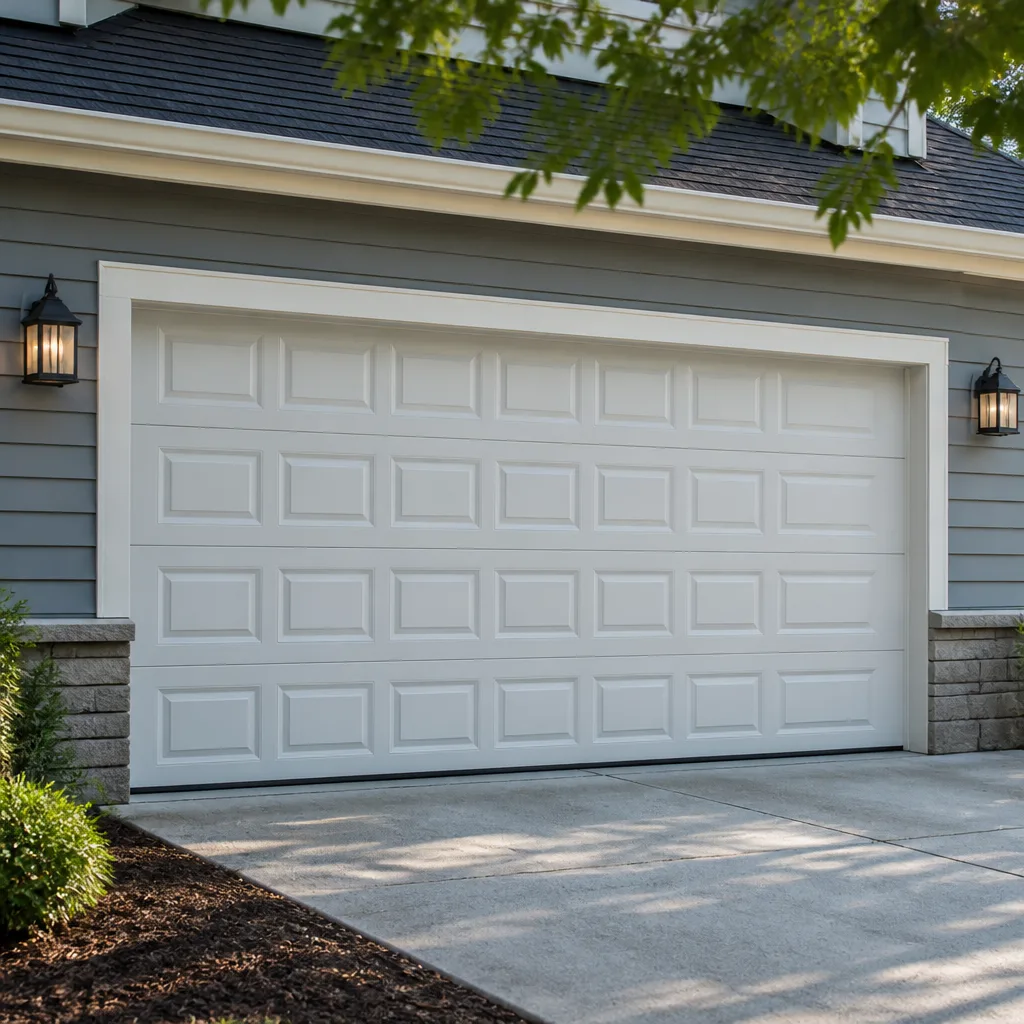 Raised-panel steel
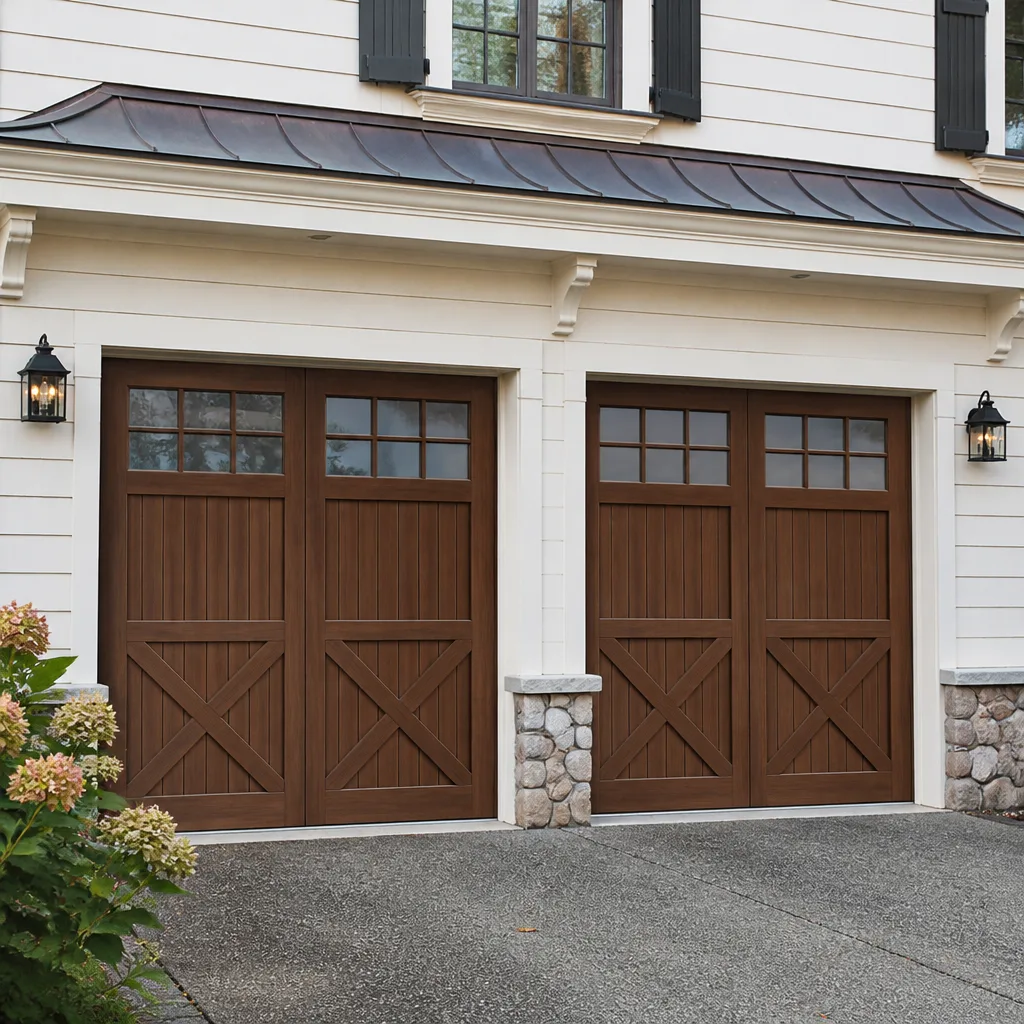 Carriage house
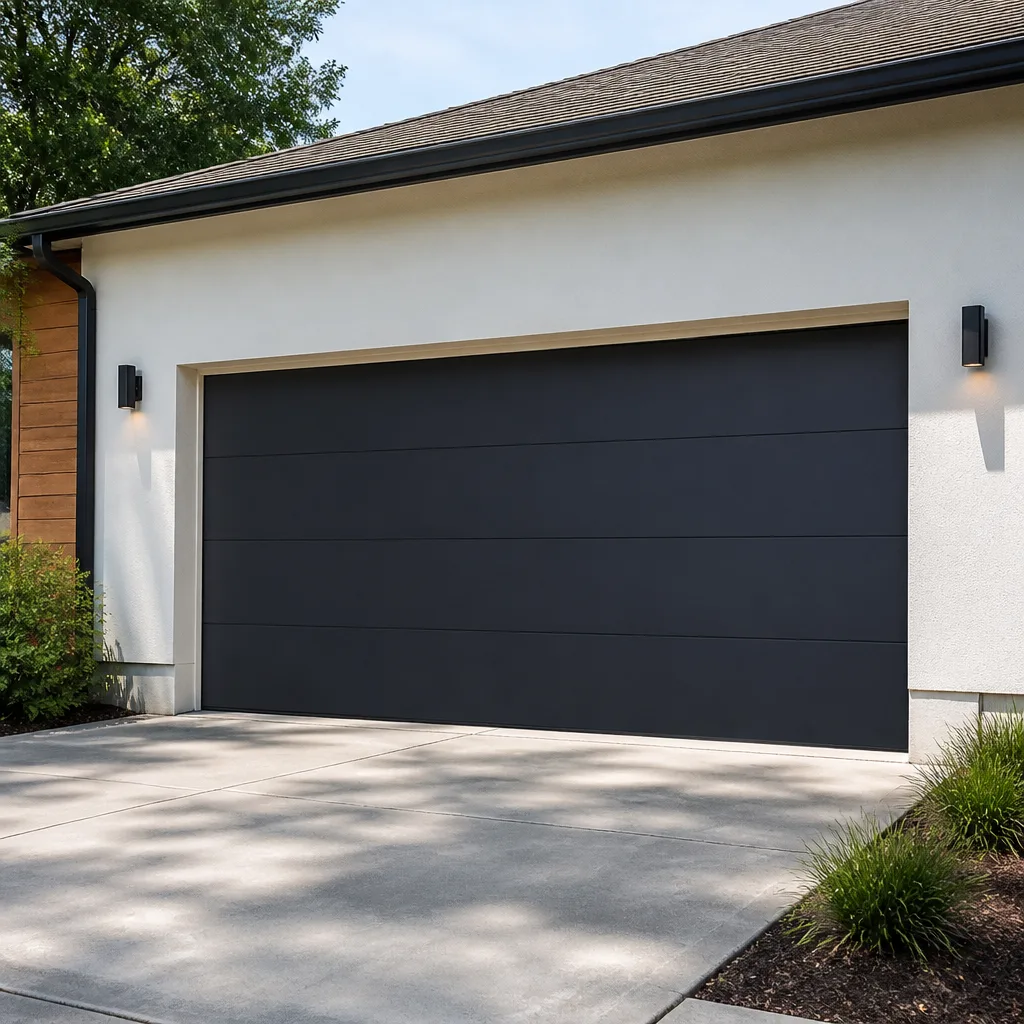 Modern flush
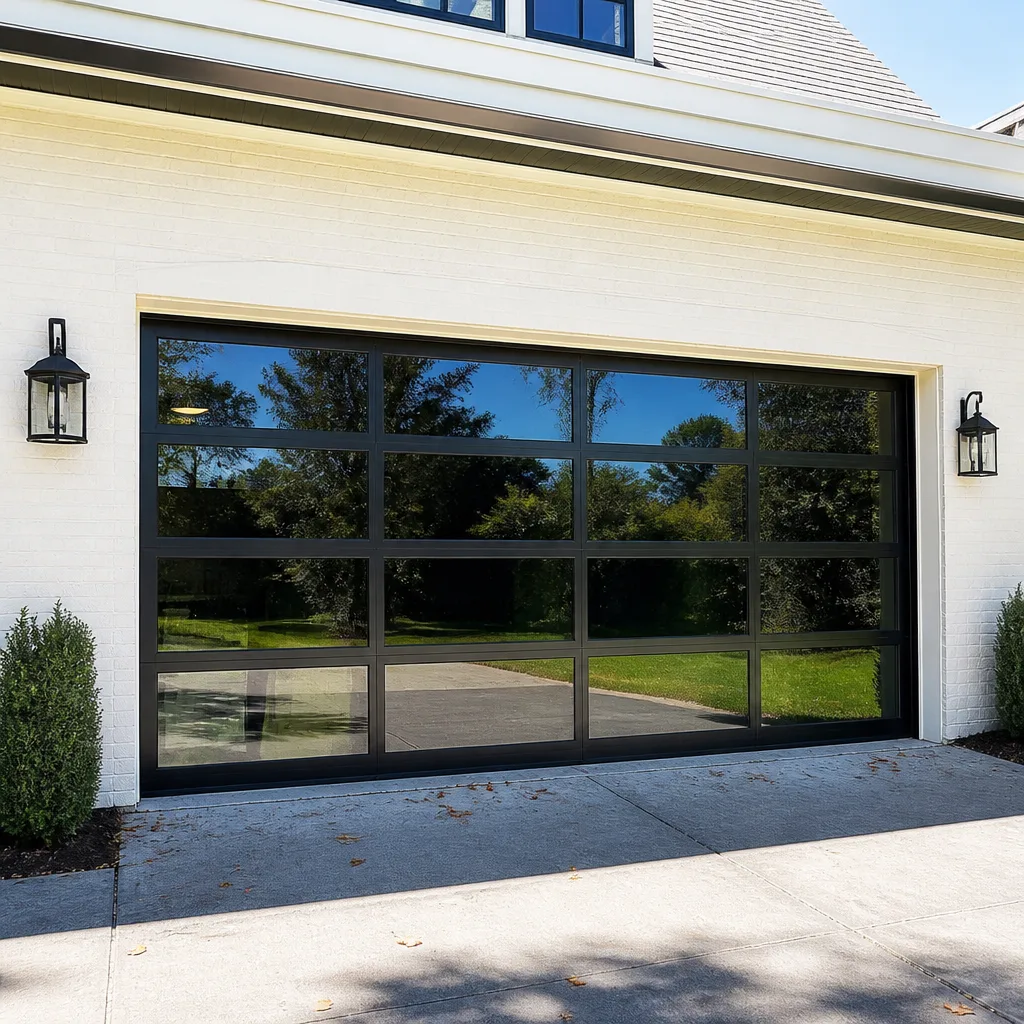 Full-view glass
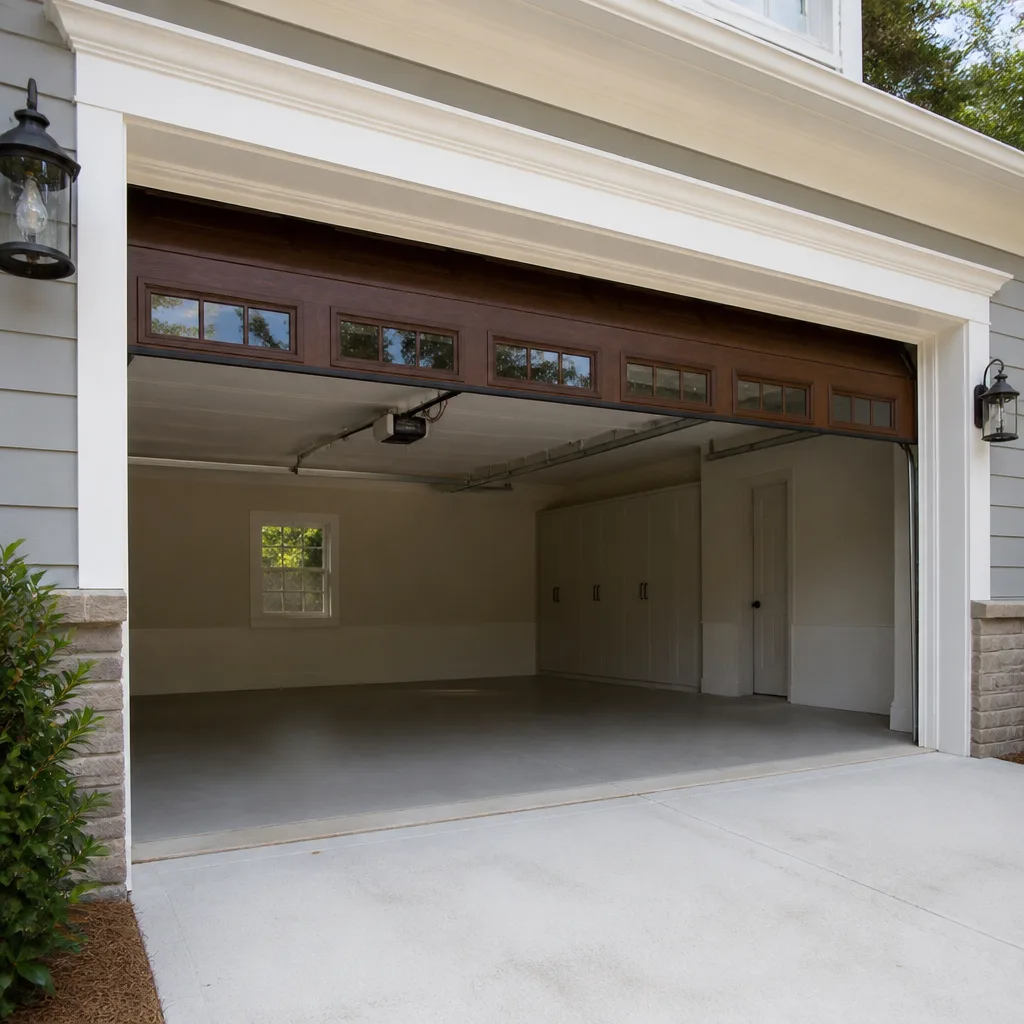 LiftMaster openers
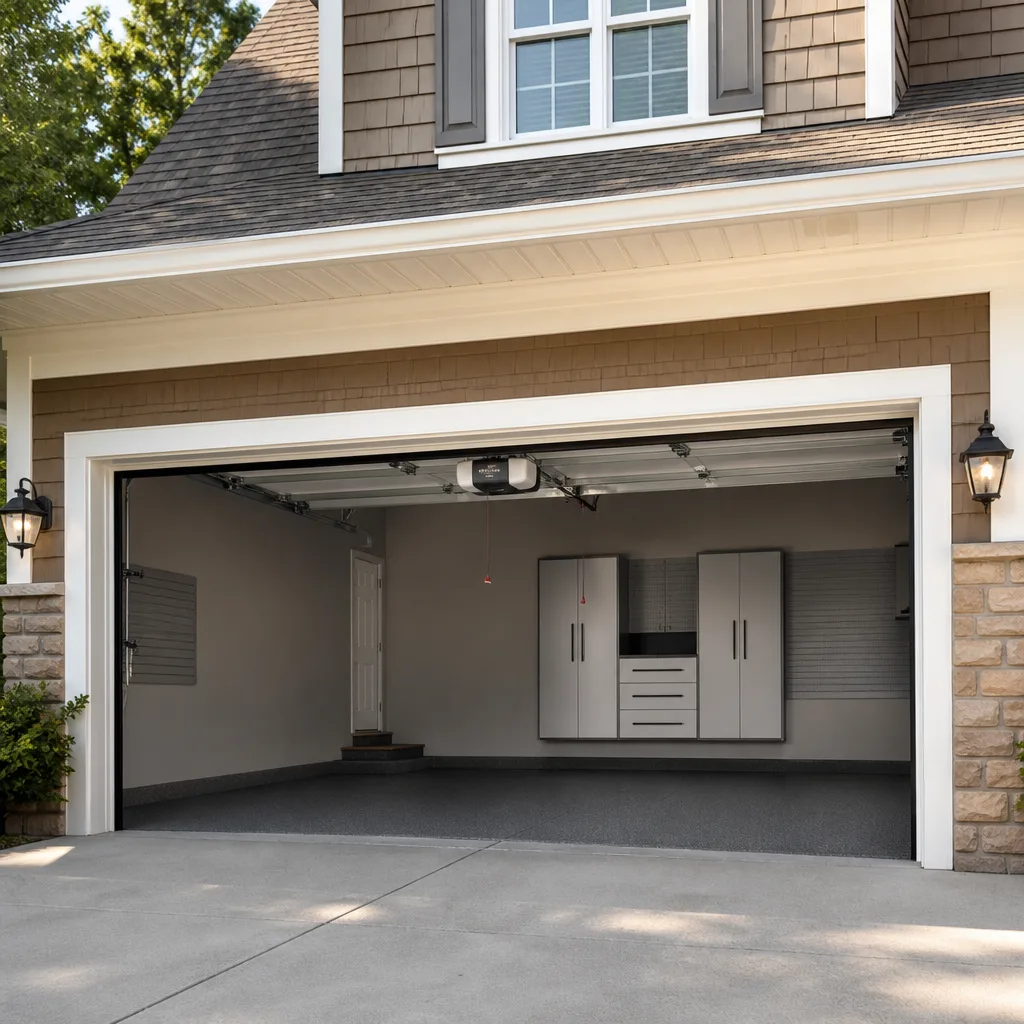 Chamberlain openers
Full 25-point door and opener safety check with every visit - springs, cables, rollers, tracks, and your LiftMaster or Chamberlain opener included
You get a price before we start. It does not change when the truck arrives.
Get your free estimateGarage Door Repair Troubleshooting: Common Problems and How to Fix Them
Here’s something most troubleshooting guides won’t tell you: the three most common “my door won’t open” calls we get aren’t opener problems at all. They’re spring failures that look like electrical issues, and treating them wrong is how people get hurt. A broken torsion spring makes the opener strain and stall, which reads exactly like a dead motor to the untrained eye. In West Palm Beach, where salt air accelerates metal fatigue and afternoon storms knock out sensors with humidity and debris, that misdiagnosis happens more often than you’d expect. This guide gives you a symptom-first framework: match exactly what your door is doing to what’s actually wrong, know which checks are safe to do yourself, and recognize the hard stops that mean put down the tools and call a specialist who works on garage doors and nothing else—like our Garage Door Repair services.
Styles & brands we work with
Quick Answer
Most garage door problems fall into one of five categories: broken springs, misaligned or blocked safety sensors, track or cable damage, opener logic or motor failure, and worn rollers or hinges. Start by watching exactly what the door does when you press the button. If it won’t move at all but the opener hums, you likely have a broken spring and should stop immediately. If it reverses before fully closing, check the photo-eyes near the floor first. Anything involving torsion springs, cables under tension, or a door hanging crooked should be handled by a trained technician, not a DIY fix.
Table of Contents
- The Symptom-First Diagnostic Framework
- Safe Checks You Can Do Right Now
- Hard Stops: Symptoms That Mean Stop and Call
- When the Door Won’t Open at All
- When the Door Reverses Before Closing
- When the Door Grinds, Shakes, or Hangs Crooked
- Opener-Specific Problems: Remotes, Keypads, and Logic Boards
- Brand-Specific Notes: What We See in the Field
- Common Mistakes to Avoid
- When to Call a Professional
- Frequently Asked Questions
- The Bottom Line
The Symptom-First Diagnostic Framework
Before you touch anything, watch the door. Not casually. Watch it like you’re trying to describe it to someone over the phone, because that’s exactly what you’ll need to do if the simple stuff doesn’t work. The exact behavior of the door tells you more than any checklist.
Here’s the framework we use on every service call, and it works just as well for a homeowner standing in their driveway in West Palm Beach at 7 a.m. on a workday:
- The door doesn’t move at all, and the opener is silent. Check the outlet, then the opener’s power cord. If the outlet is live and the opener is dead, you may have a blown logic board or a tripped internal fuse. If the opener has lights but no motor response, move to the manual release test below.
- The opener hums or grunts, but the door doesn’t move. Stop. This is the classic broken spring signature. The opener is trying to lift a door that suddenly weighs 150 to 250 pounds more than it should. The spring is the muscle; the opener is just the trigger. Continuing to press the button burns out the opener gear.
- The door moves a few inches, then stops or reverses. This is usually a sensor issue or an obstruction, but it can also mean the spring has lost tension and the opener’s force sensor is backing off. Check the photo-eyes first, then the spring.
- The door opens fine but struggles going down, or closes fine but strains going up. One direction of struggle points to balance. A properly balanced door should hold itself halfway open with the opener disengaged. If it drops or climbs on its own, the springs are wearing out.
- The door moves but grinds, shakes, or sounds like gravel in the track. Rollers, hinges, or bearings. The sound usually localizes to one side or one panel. We’ll cover this in its own section.
- The door hangs visibly crooked, even by half an inch. Cable or track problem. Do not operate the door. See hard stops below.
Each of these six behaviors maps to a different subsystem, and treating them as one generic “garage door problem” is how people waste time and money on the wrong fix.
Safe Checks You Can Do Right Now
Some troubleshooting is genuinely safe and genuinely useful. These four checks resolve a surprising number of service calls before they become service calls. Do them in order.
- Check the photo-eyes. Those small sensors near the bottom of each track, about four to six inches off the floor, are the most common cause of a door that refuses to close or reverses immediately after touching the ground. Look for a small light on each eye. One should be solid (the sender), the other solid or blinking depending on brand. If one is dark, wipe the lens with a dry cloth. In West Palm Beach, humidity and afternoon rain regularly fog these lenses or deposit fine grime. While you’re down there, check that both eyes point straight at each other. A bumped trash can or a kid’s bicycle nudging one eye a few degrees is enough to break the invisible beam. Many openers will close when you hold the wall button down, which is a temporary workaround we cover below, but the real fix is realignment.
- Inspect the rollers and tracks visually. Don’t climb anything. Stand on the floor and look up. The rollers should sit fully inside the track channel. If a roller has popped out or the track looks bent or pinched, stop. Look for obvious obstructions in the track itself: a stray screw, a flattened soda can, a branch pushed in by wind. West Palm Beach sees its share of debris blown around during summer storms.
- Test the manual release cord. That red cord hanging from the opener rail disconnects the door from the opener carriage. Pull it with the door fully closed, then try lifting the door by hand. It should move smoothly with moderate effort and stay open about halfway. If it’s extremely heavy, the springs are failing or broken. If it flies up or slams down, the springs are out of balance the other way. Either result means call a pro. When you’re done, pull the cord again or press the wall button to re-engage the carriage.
- Replace the remote and keypad batteries. We know this sounds obvious. It still resolves a meaningful percentage of our opener calls. A LiftMaster remote with a fading battery often works from inside the garage but not from the driveway. A Chamberlain keypad that’s worked for two years can suddenly need reprogramming after a battery swap. Start with fresh batteries and re-test before assuming the opener itself is failing. If you have a Craftsman opener running on a 9-volt backup battery, that battery can fail independently of the remote battery and cause intermittent logic behavior.
These four checks clear up genuine problems without any risk. They also give you real information to describe if you end up calling a repair company, which matters more than most people realize.
Hard Stops: Symptoms That Mean Stop and Call
There is a line between “I can check this” and “I should not touch this.” It is not a fuzzy line. It’s a bright one, and it’s there for a reason. A residential garage door is the largest moving object in your house, and the parts that fail most dramatically are loaded with stored energy.
Stop touching the door and call a professional if you see any of these:
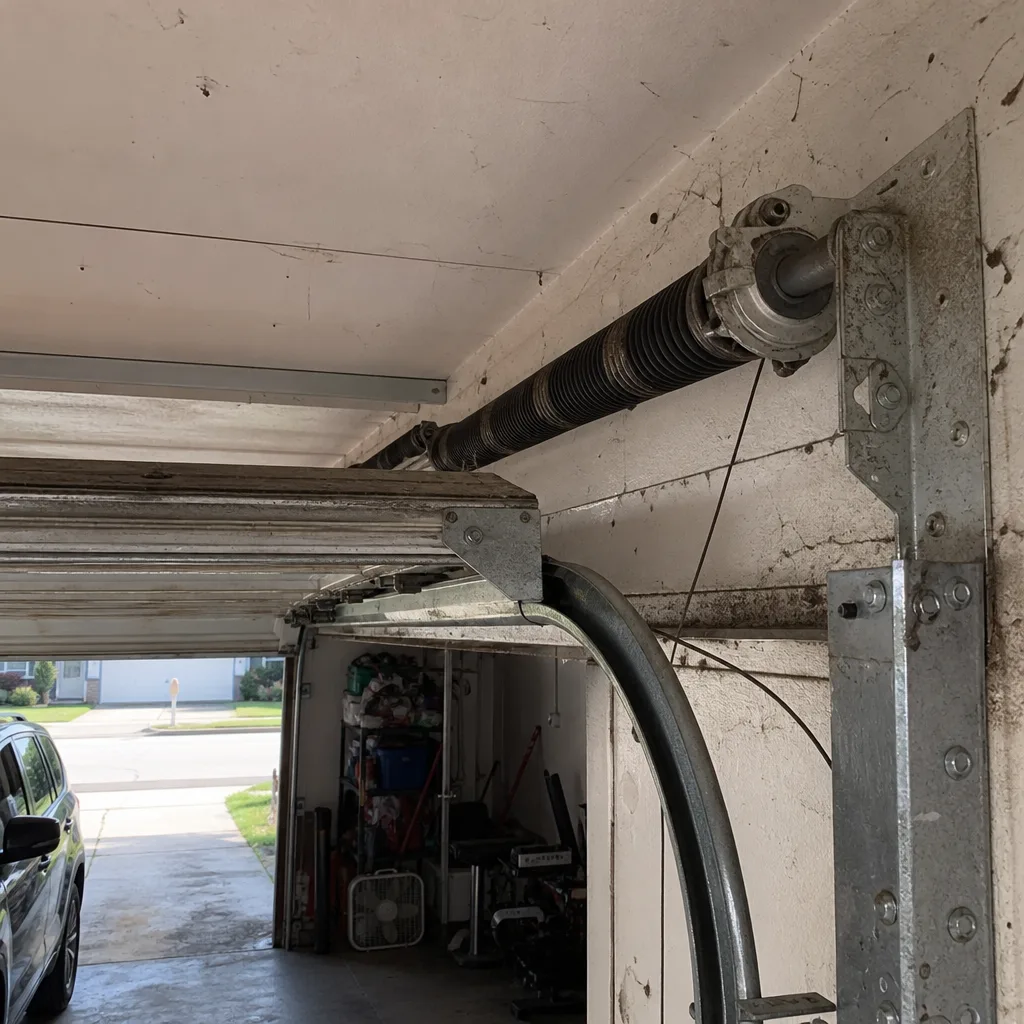
- A visible gap in a torsion spring. The big spring mounted above the closed door. If it’s snapped into two or more pieces, that spring is done. Do not attempt to remove it or disassemble anything around it. Torsion springs store enormous energy even when partially wound.
- A dangling cable. The cables run along both sides of the door and connect to the bottom brackets. If a cable is frayed, snapped, or hanging loose, the door is no longer lifting evenly. Operating it risks the door dropping or jamming violently.
- A door hanging noticeably crooked. Even an inch of difference side-to-side while moving indicates a cable or roller failure. Forcing it to move will likely cause more damage, not less.
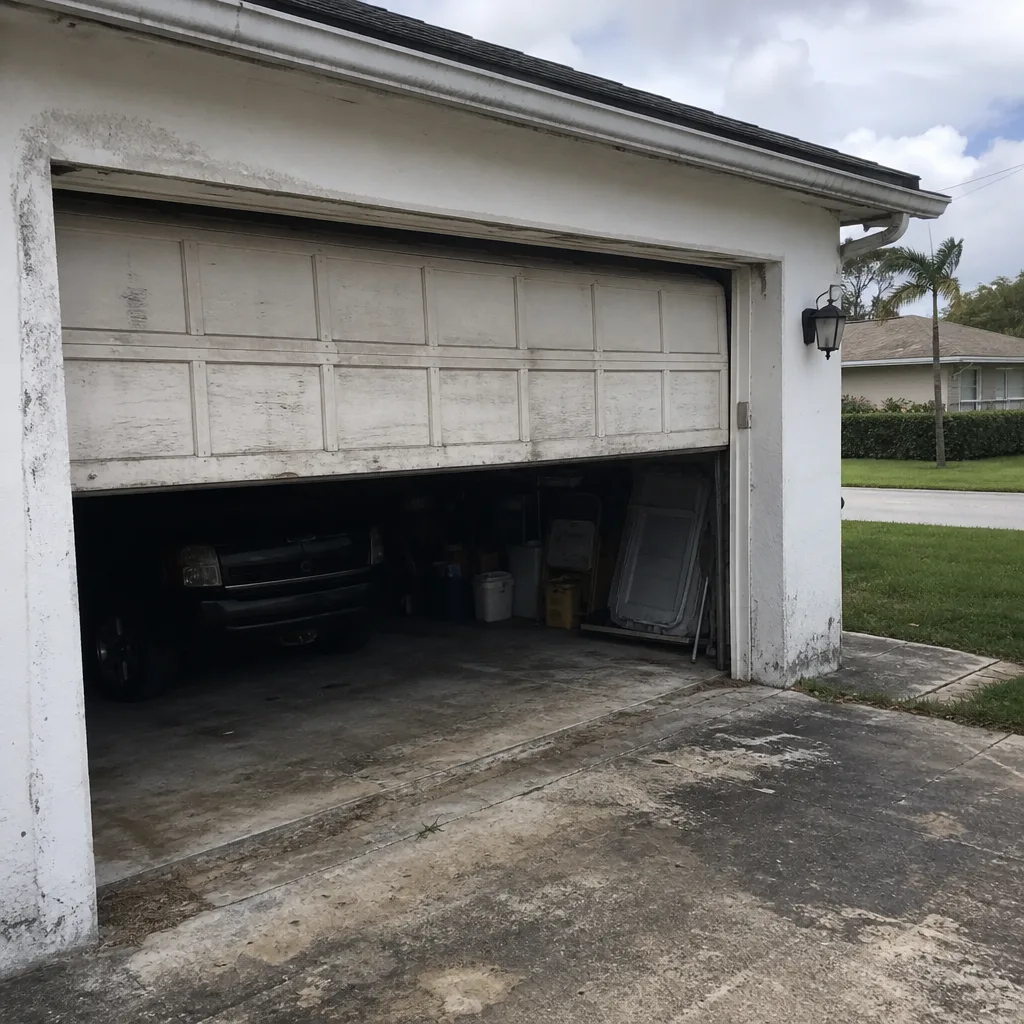
- A bent bottom section or buckled panel. If the door has been hit by a car, a child’s bike, or a hurricane-flying object (it happens in West Palm Beach), the damage is structural. A bent bottom section may still open but it will destroy the seal, the track, and eventually the rollers.
- Any loud bang followed by the door refusing to move. That’s a spring letting go. It sounds like a gunshot or a car backfiring. The door is now dead weight and the opener cannot move it safely.
Every one of these scenarios is repairable by a trained technician with the right tools. None of them is a DIY job. The difference between a $200 spring replacement and a $1,200 opener and track rebuild is often whether someone kept pressing the button after the spring broke. If you’re in West Palm Beach and seeing any of these conditions, this is the moment to call rather than keep investigating. Our Garage Door Repair in West Palm Beach service page walks through exactly how that process works.
When the Door Won’t Open at All
This is the number one call we get, and it breaks down into three distinct scenarios. The fix depends entirely on which one you’re dealing with.
Scenario 1: Total silence. No lights, no hum, no click.
If the opener shows zero signs of life, the problem is upstream of the opener itself. Check the outlet with a lamp or phone charger. Check the breaker in your main panel. If power is confirmed at the outlet and the opener remains dead, the logic board may have failed. Logic board failures happen for several reasons: power surges from afternoon lightning storms (common here in South Florida), age, or a failed capacitor on the board. These boards are brand-specific; a Raynor opener board is not interchangeable with a Craftsman board, despite what generic online forums suggest. This is an opener repair, not a door repair, and it’s worth being specific about that when you call.
Scenario 2: The opener hums but the door doesn’t move.
As covered above, this is the broken spring signature. The opener motor is running, the gear is turning, but the door is too heavy to lift. The fastest confirmation is the manual release test: pull the red cord (with the door closed), then try to lift the door yourself. If it’s brutally heavy or won’t budge, the spring has failed. In West Palm Beach, where we run air conditioners eleven months out of the year and garage doors often cycle multiple times daily, springs fail on a cycle count, not a calendar. A spring rated for 10,000 cycles may last seven years or three, depending on use.
Scenario 3: The opener clicks once and stops.
This often indicates a motor overheat protection trip or a seized component. Let the opener cool for fifteen minutes, then try again. If it fails again after cooling, you’re looking at a worn gear or a failing motor. On community-maintained doors like those in gated neighborhoods around Palm Beach, we see openers that were borderline undersized for their door from day one, and they fail exactly like this.
The takeaway for all three scenarios: identify which behavior you’re dealing with before calling. “The opener is humming but the door won’t go up” tells a technician that they should bring a spring. “Total silence” tells them to bring a board or check power. The more accurate your description, the better the first-trip outcome.
When the Door Reverses Before Closing
This is the most misunderstood symptom in garage door repair, because four completely different problems produce the exact same behavior. The door starts down, gets partway, and then reverses back up as if it hit something. Here’s how to narrow it down:
- Photo-eye interruption (most common). If the door reverses immediately, within a second or two of pressing the button, and the opener lights flash, this is almost always the safety sensors. Check alignment and clean the lenses as described above. In West Palm Beach humidity, condensation inside the lens housing is also a real thing, especially on older Genie and Craftsman units.
- Force setting drift. If the door travels most of the way down and reverses right before or at the floor, the opener’s down-force setting may be too sensitive. As doors age, rollers wear and tracks accumulate resistance. The opener reads that resistance as an obstruction and reverses. Adjusting the force setting is possible on most units but should be done carefully; too much force defeats the safety system, too little makes the door unreliable.
- Track obstruction or damage. If the door makes it halfway and the reversal is accompanied by a scraping or grinding sound, you may have a physical obstruction in the track or a bent track section. Look for something caught between the door and the track. If the track is bent, that’s a technician visit.
- Spring balance issue. If the door reverses with no flashing lights and no obvious obstruction, the springs may have lost enough tension that the opener is now fighting extra weight on the down cycle. This is less common than the first three but it’s the one people miss because a weak spring is usually associated with opening problems, not closing ones.
To pin it down, note two things: does the opener light flash when the door reverses, and at what point in the travel does it happen? Flashing lights point to sensors. No flashing lights points to force or balance. Reversal near the top suggests sensors, reversal near the floor suggests force settings. That two-point description will get you a faster, more useful answer when you call. For opener-specific issues like this, our Garage Door Opener Repair in West Palm Beach coverage gets into the electronic side in more depth.
When the Door Grinds, Shakes, or Hangs Crooked
Noise is information. A healthy garage door is not silent, but it makes a predictable sound: a low rumble with the rhythmic click of rollers passing through the track joints. When that sound changes, something specific changed with it.
A grinding or gravelly roar usually means the rollers are shot. Residential doors use either steel rollers with ball bearings or nylon rollers. When the bearings wear out, the roller doesn’t spin, it slides. That slide is the grinding you hear. Worn rollers also accelerate track wear, so the fix gets more expensive the longer it waits. This is one of the most overlooked maintenance items on homes in West Palm Beach, where salt-adjacent air shortens the life of unsealed steel bearings.
A rhythmic banging or thumping as the door moves often indicates a loose hinge or a panel that’s separating from its neighbor. Check the hinge bolts visually; if they’re backing out, they can be snugged up with a socket. If the panel itself is delaminating, that’s a replacement conversation.
A door that hangs crooked is never a DIY adjustment. It means one cable has more tension than the other, or one side’s rollers have left the track. Trying to straighten it by adjusting the spring or cable is how serious injuries happen. Shut the door if you can do so safely and leave it alone.
A high-pitched squeal that shows up with every cycle often points to dry rollers or hinges. A small amount of garage-door-specific lubricant on the roller bearings and hinge pins can help, but use a product made for garage doors. WD-40 is not a lubricant, and grease attracts sand and grime, which makes things worse in a coastal climate.
When the noise is localized to one side or one end of the door, mention that on the phone. “It’s grinding on the left side only” tells a tech that they’re looking at a roller or bearing issue, not a spring issue. That one clarification saves diagnostic time.
Opener-Specific Problems: Remotes, Keypads, and Logic Boards
When the door itself is fine but the opener is misbehaving, the problem usually lives in one of four places: the remote, the keypad, the safety sensor circuit, or the logic board. Here’s how to segment them.
The wall button works but the remotes don’t. If the door opens from the wired wall console but no remote will trigger it, the issue is with the remote receivers or the remote itself. Replace remote batteries first. If that fails, the remote may need reprogramming. Most modern openers from LiftMaster and Chamberlain use rolling-code remotes that occasionally lose sync after a power outage or a surge. Reprogramming is usually straightforward, but the exact sequence varies by model and generation.
Nothing works, including the wall button. Check the power. Check the breaker. If power is confirmed, you may have a failed logic board. Logic boards on openers are like laptop motherboards; they’re the brain, and when they go, the opener is a paperweight. On older Craftsman and Wayne Dalton units, we also see capacitor failures that mimic logic board failure. A technician can distinguish them in minutes with a multimeter.
The keypad works intermittently or not at all. Keypads are exposed to the elements in a way remotes are not. In West Palm Beach, direct afternoon sun and heavy rain both take a toll. If your keypad works after you replace the battery but stops again in a week or two, the keypad itself is likely done. These are inexpensive to replace and brand-specific in compatibility.
The opener runs but the door hesitates or jerks. This can be a worn drive gear, especially on chain-drive units. The gear is sacrificial; it’s designed to strip before the motor tears itself apart. A jerky door that otherwise operates normally often means that gear is partially stripped and will fail completely soon. This is a replaceable part, but the repair is opener work, not door work. It matters which trade you call. We handle both, which means one visit instead of two.
The unifying theme with opener issues: the door itself is often perfectly fine. Treating an opener repair as a door repair, or vice versa, is the most common source of wasted service calls we see. Get the distinction right before you dial.
Brand-Specific Notes: What We See in the Field
After years of working on residential doors in the West Palm Beach area, certain patterns emerge by brand. This isn’t a quality ranking; it’s field data from the systems we work on most often.
Wayne Dalton doors often use a torque-master spring system instead of a traditional exposed torsion spring. The spring lives inside a tube above the door. When it fails, there’s no visible gap to see; the door just gets heavy. Homeowners looking for a broken spring don’t find one and assume the opener is the problem. This is exactly the misdiagnosis we warned about at the top of this guide. If your Wayne Dalton door suddenly won’t lift and you don’t see a broken spring anywhere, it’s still probably the spring.
Craftsman openers are some of the most common we service, largely because they were the default Sears opener for decades. The most frequent issue we encounter on older Craftsman units is a stripped drive gear. The symptom is a door that sounds like it’s working but either doesn’t move or jerks harshly. These are repairable with a replacement gear kit, and the fix is well within a specialist’s wheelhouse.
Raynor builds a solid door, and their commercial lineage shows in residential models. What we see on Raynor doors is often track alignment drift over time, especially on homes with concrete driveways that shift with South Florida’s sandy substrate. The door will bind at a specific point in its travel, usually accompanied by a pop or scrape sound.
LiftMaster dominates the modern opener market, and their units are generally reliable. The failure mode we see most often is sensor-related: the photo-eyes are sensitive to alignment and direct sunlight interference. If your LiftMaster opener reverses for no reason on a bright afternoon, the sun may be hitting one of the eyes at just the right angle. A temporary fix is shading the sensor. A more durable fix is a slight reposition or a small shield.
None of these patterns means you should buy or avoid a particular brand. They mean that troubleshooting is more accurate when you know what the brand is. When you call about a door problem, mention the brand. It genuinely changes the diagnosis.
Common Mistakes to Avoid
These are the mistakes we see homeowners make most often in West Palm Beach, in rough order of frequency. Each one costs time, money, or both.
- Pressing the button repeatedly after a spring breaks. The door is not going to start working. What you’re doing is burning out the opener gear, which converts a spring replacement into a spring-and-opener repair. One press confirms the failure. Every press after that adds cost.
- Assuming a dead remote means a dead opener. The vast majority of “broken opener” calls turn out to be remote batteries, keypad batteries, or a tripped GFCI outlet. Start with the cheap stuff before you call.
- Lubricating the tracks. Garage door tracks don’t need lubrication, and oil or grease on the track surface makes the rollers slip and pick up sand. Lubricate the roller bearings and hinge pins, not the track channel.
- Adjusting the spring yourself. We cannot say this strongly enough: do not. The tools required are specialized, and a wound torsion spring will break bones if it lets go. This is the single most dangerous object in most homes.
- Forcing a crooked door. If the door is visibly out of level, the answer is not “push it harder.” You will pop a roller out of the track or snap a cable, and then you’re in a worse position than when you started.
- Ignoring a door that slowly gets louder. Noise is a warning. A door that gets progressively noisier is telling you a roller is dying or a hinge is working loose. Fix it for $80 before it becomes an $800 repair.
- Using a generic handyman for a specialized door repair. Garage doors have killed people. They are not a general home-repair task. The person who works on your drywall should not be the person who touches your torsion spring. Get a specialist who does garage doors and only garage doors. If you’re in West Palm Beach, Langston Garage Door Repair home exists for exactly this reason.
When to Call a Professional
Here’s the simplest way to think about it: if the problem is electrical and low-risk, a homeowner with basic competence can often resolve it. That includes dead remote batteries, misaligned photo-eyes, and tripped breakers. If the problem is mechanical and energy-storing, call someone who does this every day. That includes anything involving springs, cables, bottom brackets, or a door that’s hung crooked.
If you’ve worked through the safe checks in this guide and the door still isn’t right, don’t keep guessing. The next step is a conversation with a specialist who can diagnose the issue over the phone and show up with the right parts on the truck. Langston Garage Door Repair offers free estimates in West Palm Beach. Call (833) 302-7392, describe what the door is doing, and we’ll tell you honestly whether it needs a visit or a five-minute fix you can do yourself. For additional help, explore more guides & resources on our blog.
Frequently Asked Questions
If the opener motor runs but the door doesn’t move, you most likely have a broken torsion spring. The spring is what lifts the door; the opener just guides it. A broken spring makes the door too heavy for the opener to budge. Stop pressing the button and call a garage door specialist. If you’re in West Palm Beach, call (833) 302-7392 for a free estimate.
The most common cause is a misaligned or blocked photo-eye sensor near the bottom of the track. Clean the lenses and make sure both eyes point directly at each other. If the door still reverses with no flashing lights on the opener, the down-force setting may need adjustment. Call (833) 302-7392 and describe exactly when the reversal happens for a precise diagnosis.
In West Palm Beach, torsion spring replacement typically runs between $180 and $350 for a standard residential door, depending on spring size, cycle rating, and whether one or both springs are replaced. Extension spring systems tend to run slightly lower. Every good technician quotes a firm price before starting work. Call (833) 302-7392 for an exact quote, no guesswork.
No. Torsion springs are under enormous tension and require specialized winding tools and training to replace safely. A mistake can cause serious injury or death. This is not a task to learn from a YouTube video. Call a licensed garage door specialist. It costs far less than an emergency room visit.
That points to the remote, its battery, or the opener’s receiver. Replace the remote battery first. If it still fails, the remote may have lost its programming. Most modern openers from LiftMaster, Chamberlain, and Craftsman can be reprogrammed in under a minute, but the exact sequence varies by model. If reprogramming doesn’t work, the receiver on the logic board may have failed.
Not necessarily. A single damaged panel can often be replaced without swapping out the whole door, as long as the model is still available and the damage hasn’t affected the track or hinges. In West Palm Beach, where storm damage and mailbox-shaped door dents are common, we do panel replacements regularly. The exception is when the dent has buckled the section and compromised its structural integrity. For a professional assessment, call (833) 302-7392.
Spring life is measured in cycles, not years. A standard spring is rated for about 10,000 open-close cycles. For a typical West Palm Beach household that opens the door three or four times a day, that’s seven to nine years, but heavy use can cut that in half. Salt air near the coast can also accelerate metal fatigue on unsealed springs. If your door is getting heavy or the spring looks rusty, have it inspected before it fails.
The Bottom Line
Most garage door problems give clear signals if you know what to look for. Watch the behavior. Match the symptom to the subsystem. Do the safe checks first: sensors, batteries, power, and obstructions. Recognize the hard stops: broken springs, dangling cables, crooked doors, and structural damage are professional work, full stop. And when you call, describe the problem accurately: what the door does, what the opener does, what the brand is, and what you’ve already checked. That specificity is the difference between a one-trip fix and a frustrating back-and-forth. If you’re in West Palm Beach and your door isn’t cooperating, Garage Door Installation in West Palm Beach and repair services are one call away. Garage doors are all we do, and we work on the door you already have. Call (833) 302-7392 for a free estimate.
Written by the team at Langston Garage Door Repair, serving West Palm Beach since 2012.
See the difference
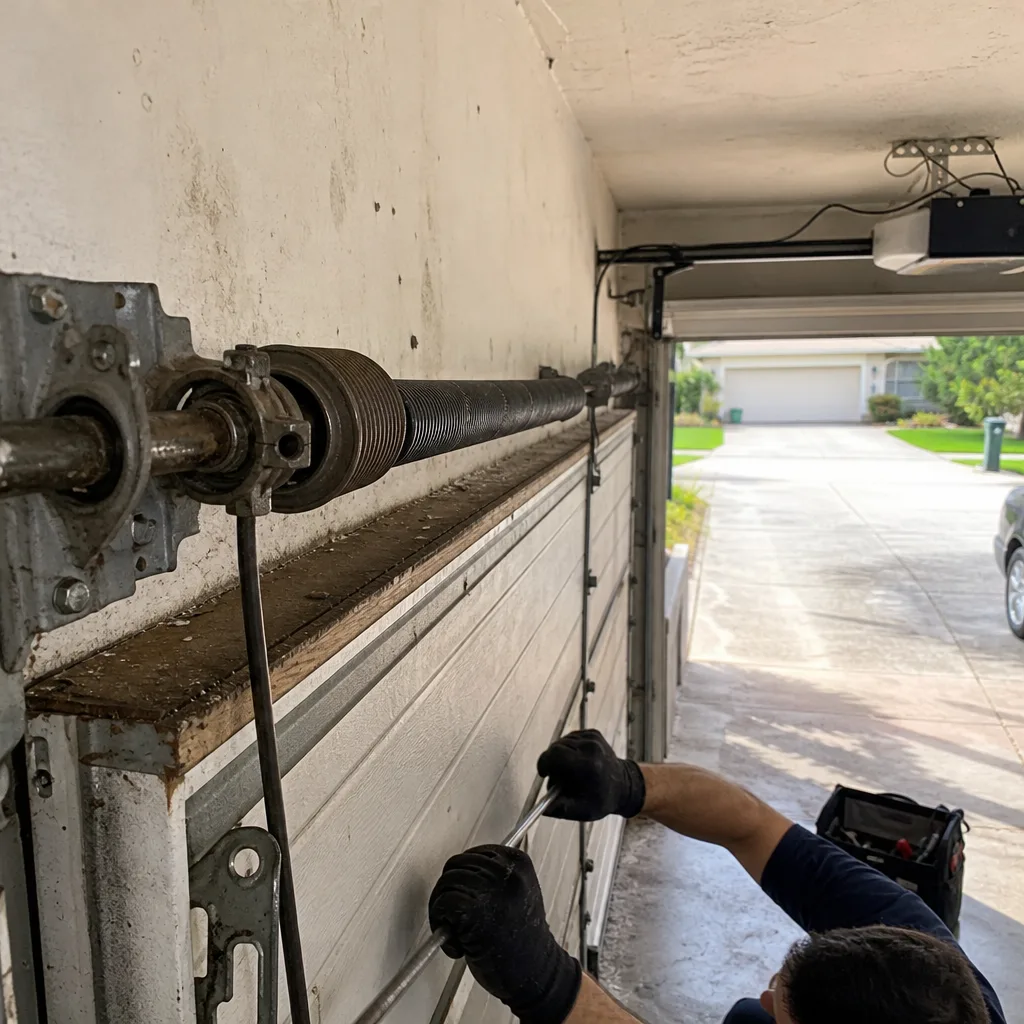 Before
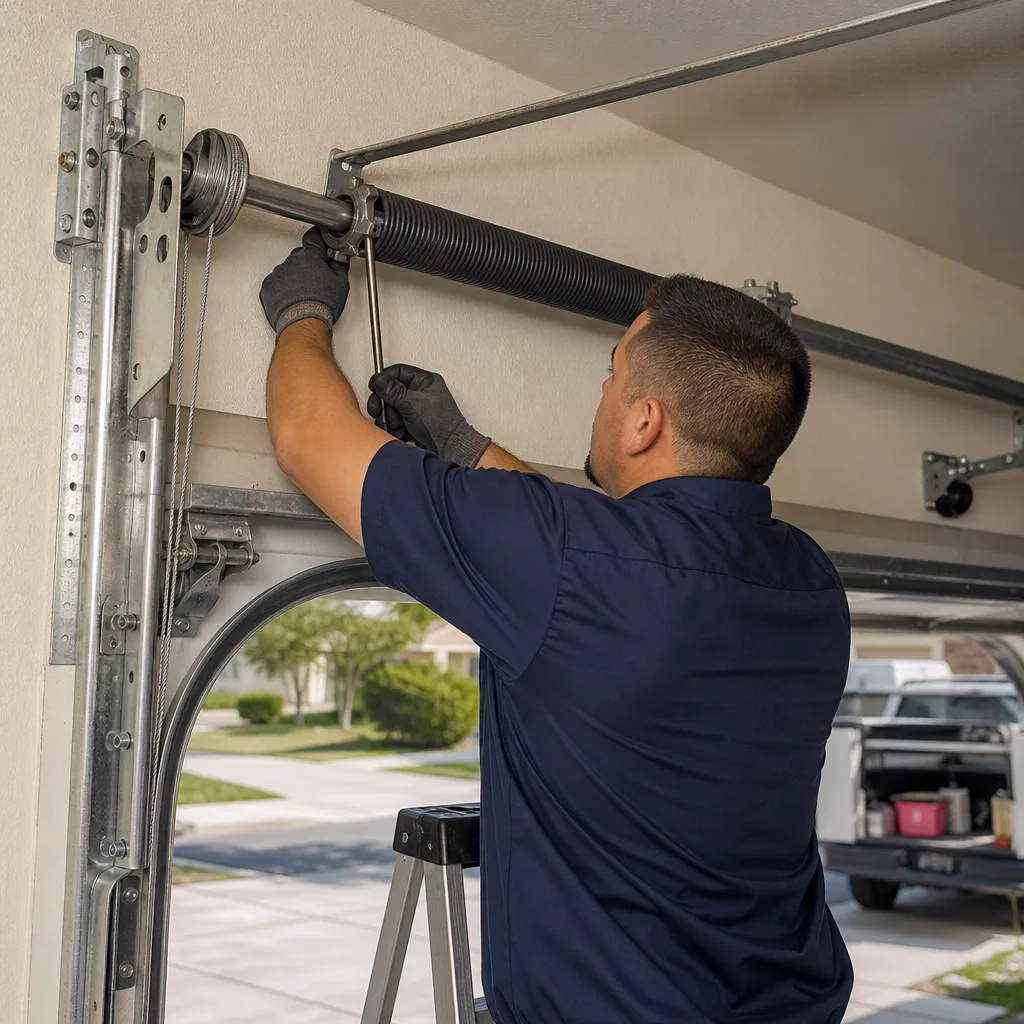 After
 Before
 After
 Before
 After