
Last updated October 30, 2026
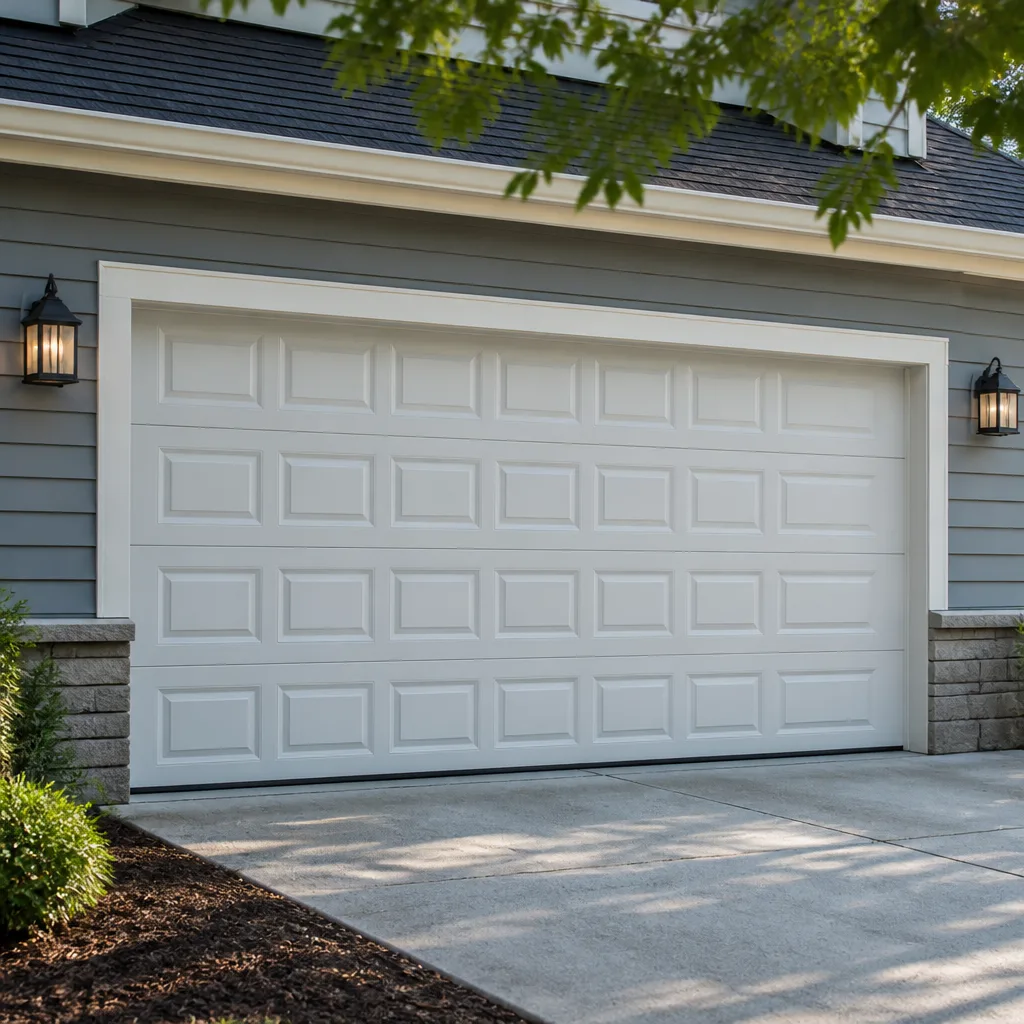 Raised-panel steel
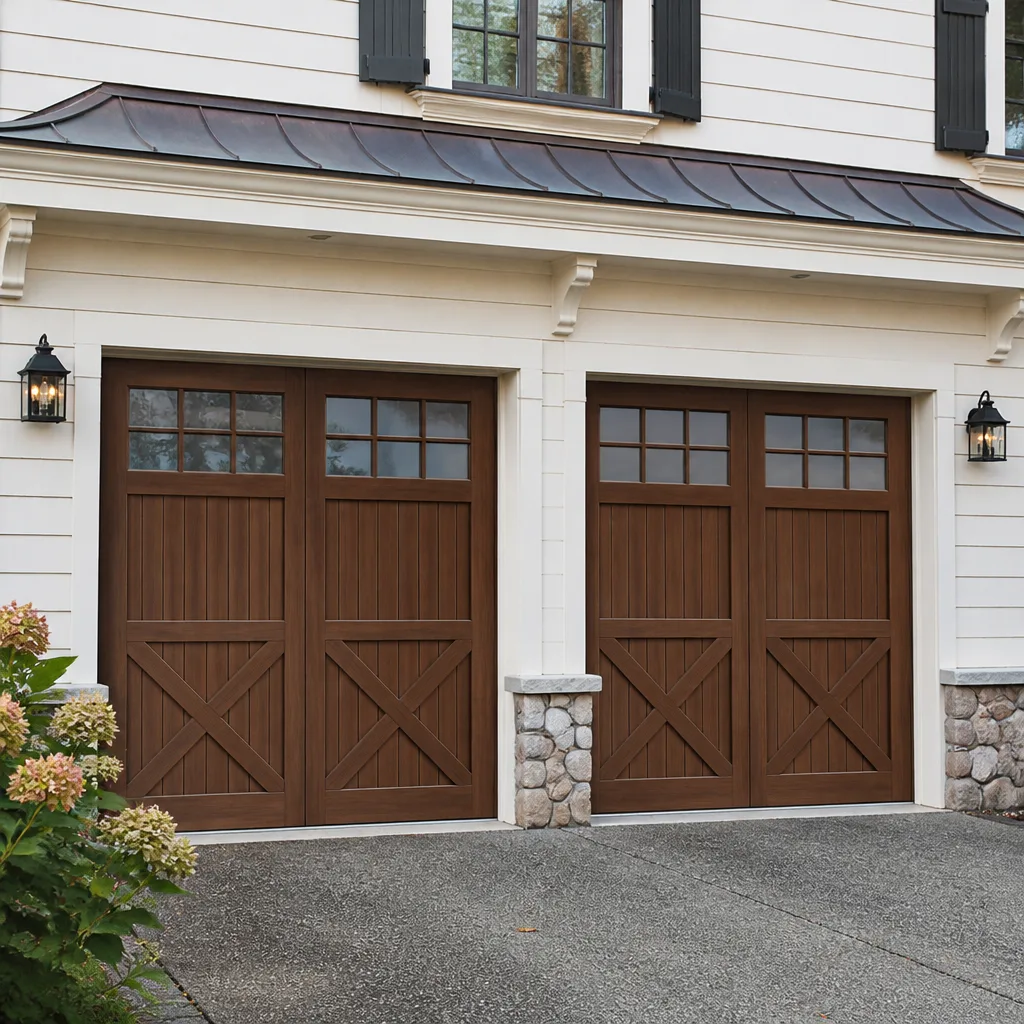 Carriage house
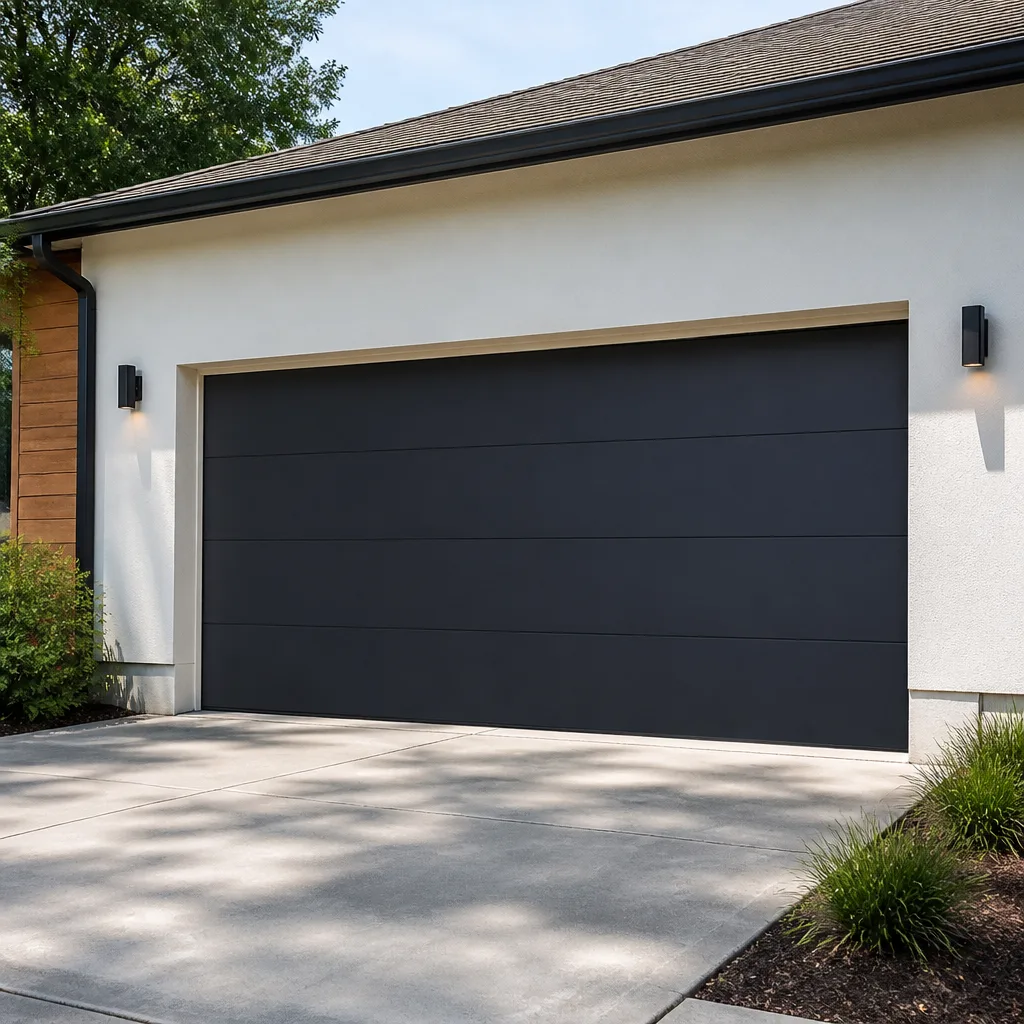 Modern flush
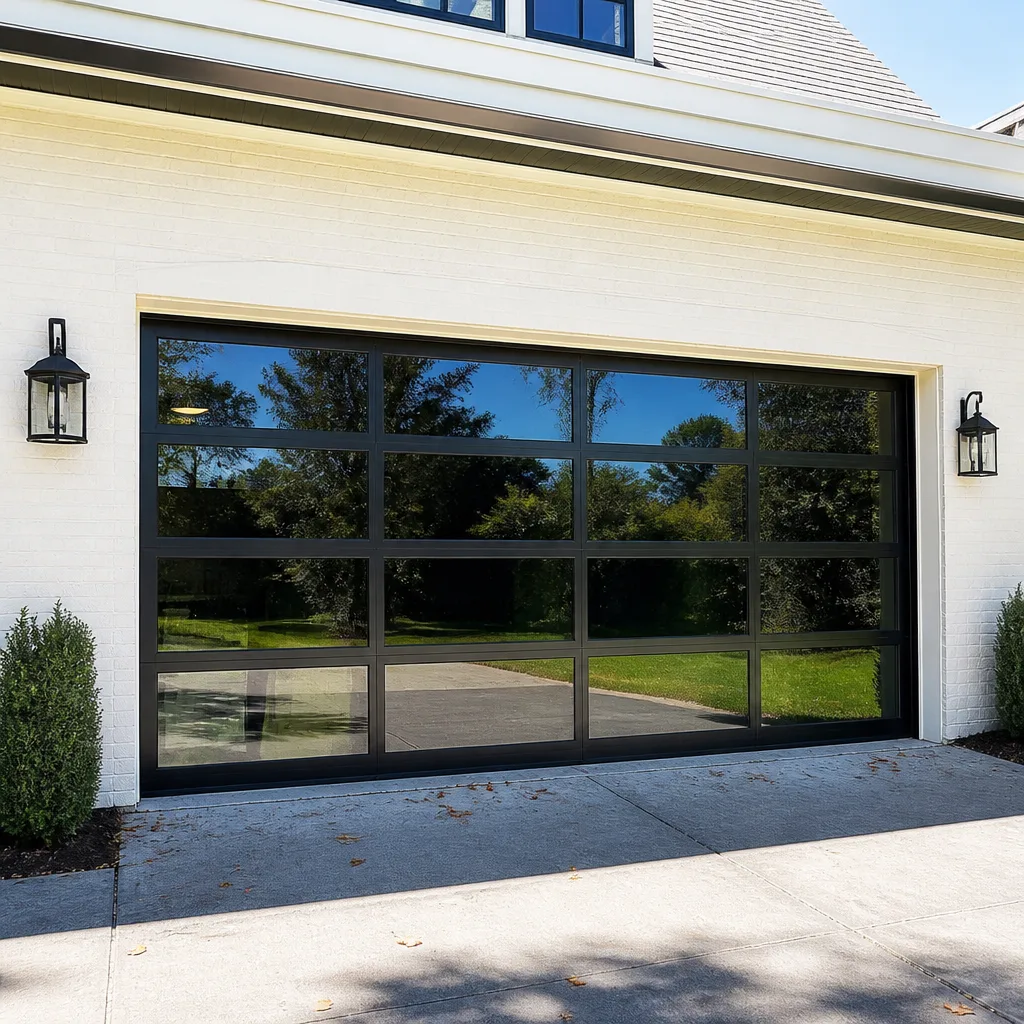 Full-view glass
 LiftMaster openers
 Chamberlain openers
Full 25-point door and opener safety check with every visit - springs, cables, rollers, tracks, and your LiftMaster or Chamberlain opener included
You get a price before we start. It does not change when the truck arrives.
Get your free estimateSeasonal Garage Door Care for West Palm Beach: Year-Round Homeowner’s Guide
West Palm Beach doesn’t do four seasons. We do two: the wet season and the dry season. Each one attacks your garage door in a completely different way, which means the maintenance calendar your cousin in Ohio uses is worthless here. That four-season chart from the big-box hardware website? Throw it out. This guide replaces it with something that actually maps to what your door goes through in Palm Beach County. We’ll walk through what to do before hurricane season, how to keep salt and humidity out of the tracks from June through October, what to inspect after every named storm, and how to leave your door dormant for the summer without coming back to a seized torsion spring.
Styles & brands we work with
Quick Answer
Seasonal garage door care in West Palm Beach comes down to two checkups per year: a full pre-hurricane season inspection in May and a light post-storm inspection after any significant weather event through October, plus monthly track lubrication during peak humidity weeks. The single most consequential task is testing the storm braces and bottom seal before June 1. Homeowners who do this avoid roughly 80% of the emergency repair calls we see between August and October.
Table of Contents
- Pre-Hurricane Season Checklist: The May Inspection That Prevents August Emergencies
- Wet Season Protocols: What Humidity and Salt Do to a Garage Door
- What to Check After Every Significant Storm Before You Touch the Opener
- Dry Season Tasks: The Window for Non-Urgent Garage Door Work
- Preparing a Garage Door for a Prolonged Absence: The Snowbird Shutdown Checklist
- Coastal Corrosion: The Hidden Cost of Living East of I-95
- Common Mistakes That Void Warranties and Trigger Service Calls
- When to Call a Professional
- Frequently Asked Questions
- The Bottom Line
Pre-Hurricane Season Checklist: The May Inspection That Prevents August Emergencies
Every May, the same scene plays out across West Palm Beach: neighbors boarding windows, filling sandbags, clearing gutters. Almost every hurricane prep guide on the county website covers those topics in depth. Almost none of them mention the largest moving object on your house. Your garage door is a 16-foot-wide wind sail, and if it fails during a storm, the pressure differential it creates can lift your roof. The pre-hurricane season inspection is not cosmetic. It is structural insurance.
Here is the inspection routine we recommend every homeowner complete before June 1, in order of priority.
- Test the storm reinforcement system. If you have a hurricane-rated door with vertical bracing struts, verify the bolts and anchor plates are tight. If you have a retrofitted brace kit that requires manual installation before a storm, install it once now as a drill. You don’t want the first time to be at 10 PM with a storm 12 hours out.
- Inspect the bottom seal. Rain in West Palm Beach doesn’t fall; it travels sideways. A cracked or flattened bottom seal lets water ride the wind straight under the door. Replace any seal that has visible cracks, gaps at the ends, or is less than 1/4 inch of compression against the floor.
- Check torsion spring balance. Pull the manual release cord and lift the door by hand. It should rise smoothly and stay open about three feet off the ground without drifting. If it slams down or rockets upward, the springs are losing tension and need garage door repair service in West Palm Beach before hurricane season loads the door with wind pressure.
- Lubricate every moving part. In this climate, use a lithium-based grease on the torsion spring and a silicone spray on rollers and hinges. WD-40 is not a lubricant for garage doors; it’s a solvent that strips the protection you need against daily humidity.
- Exercise the opener’s auto-reverse. Place a 2×4 flat on the ground under the door. Close the door. It should reverse within two seconds of contacting the wood. This test checks the door’s most important safety feature and also tells you whether the opener’s force settings have drifted.
- Look at the tracks. Bent track sections multiply under hurricane wind load. Run a flashlight along the vertical and horizontal tracks. Any visible kink, especially near the curve where the track transitions from vertical to horizontal, is a failure point waiting for pressure.
We see the same pattern every year at Langston Garage Door Repair. A homeowner skips the pre-season inspection in May, the door holds through a mild June storm, and then a seven-year-old torsion spring fails in mid-September with parts on backorder everywhere. The May hour pays for itself.
Wet Season Protocols: What Humidity and Salt Do to a Garage Door
From June through October, West Palm Beach air hovers near 90 percent humidity and carries salt off the Atlantic when the wind shifts east. Your garage door sits in that atmosphere 24 hours a day. Aluminum frames oxidize, steel hardware rusts, wood panels swell and warp, and lubricants break down into gummy paste. None of this happens in a weekend. It happens over 150 consecutive days of moisture.
The wet season requires a lighter but more frequent touch than the pre-season inspection. Here is what we tell homeowners to do monthly from June through October:
- Re-lubricate rollers and hinges every 4 to 6 weeks. The humid air washes away the silicone film faster than in any northern climate. Dry rollers drag, which loads the motor, which trips the opener’s thermal sensor on the hottest afternoons. If your opener stops working when the garage temperature passes 95 degrees, that’s usually why.
- Wipe the tracks with a dry cloth after heavy rain events. Standing water in the vertical track carries dirt and salt that dries into a gritty film. That grit accelerates roller wear. You don’t need cleaner; a dry rag does it. If you see rust-colored residue, follow with a light silicone spray.
- Check the weatherstripping along the sides and top. The jamb seals dry rot faster near the coast. Look for small cracks that let wind-driven rain reach the interior wall. If the seal is hard and chalky when you press it with a thumbnail, it’s time to replace it.
- Watch for signs of salt corrosion on hardware. Homes east of U.S. 1 get salt fog that you can’t see but your hinges can. White powder on galvanized metal is normal progression; red-brown rust means the plating is gone. Take a photo and note it. The hardware is still functional now, but you’ll want to plan for replacement before it fails.
- Open and close the door fully once a week if you don’t drive through it daily. A garage door that sits closed for weeks in humid air seizes at the hinge pins faster than one that cycles daily. The cycling redistributes what’s left of the lubricant and keeps the opener’s logic board from glazing over.
One West Palm Beach-specific note: if you live in a neighborhood with mature sabal palms or live oaks, check the top of your door and the opener’s emergency release rope monthly through wet season. Tree frogs and anoles like the dry gap between the door and the header. We’ve pulled more than one lizard carcass out of an opener unit in West Palm Beach that smelled like it had been there since August.
What to Check After Every Significant Storm Before You Touch the Opener
A significant storm in West Palm Beach is not just a hurricane. It’s any event with sustained winds above 35 mph or more than two inches of rain in a few hours. Those conditions happen with ordinary summer thunderstorms. After any such event, the sequence below takes ten minutes and prevents a small problem from becoming a trip to the emergency room or a $400 service call.
- Scan the exterior from a safe distance first. Look for debris leaning against the door, bent panels, or a door that’s visibly misaligned in the opening. Do not stand directly under the door while doing this.
- Check for water intrusion at the bottom corners. Walk to the inside and look at the floor where the door meets the slab. If you see a damp line or standing water, the bottom seal was overwhelmed. Note it; don’t open the door with the automatic opener until the track area is dry.
- Test the door by hand before using the motor. Pull the red release cord and lift manually. A door that moved freely before the storm and now binds or feels heavier suggests the tracks shifted. Do not force it. Forcing a misaligned door is how cables snap.
- Listen for new sounds when you re-engage the opener. A grinding noise at the top of the vertical track means a roller is flat-spotted. A slapping sound means a panel joint separated. Either one is a same-week repair before it becomes a derailment.
- Inspect the emergency release rope. High winds can whip the rope up over the top of the door and tangle it around the torsion spring. A tangled release rope is dangerous if the spring later needs service, and it can pull the door off balance.
The critical rule: if anything in that sequence feels wrong, leave the door closed and call for service. The temptation is to “just open it once” to get the car out. We’ve seen that one cycle turn a $120 hinge replacement into a $600 track repair in West Palm Beach garage door repair calls.
Dry Season Tasks: The Window for Non-Urgent Garage Door Work
November through April is the dry season in West Palm Beach, and it’s exactly when you should schedule the work you couldn’t justify doing during storm months. The air is drier, the temperatures are milder, and the door isn’t under hurricane wind load. This is the window for preventive work and cosmetic upgrades, not emergency response.
The rationale is straightforward: a garage door installed or repaired during the wet season cures differently. Adhesives and sealants applied in 90 percent humidity may not bond the way they do at 60 percent. Paint on a metal door flashed in summer sun can blister before it cures. A dry-season service window simply produces better results on non-urgent work.
Here’s what belongs on the dry-season list:
- Spring replacement as preventive maintenance. Torsion springs have a cycle rating, usually 10,000 cycles for standard residential springs, which translates to roughly 7 to 10 years of normal use in West Palm Beach. If your springs are older than seven years and the door was serviced recently for the same symptom, replace them in winter instead of rolling the dice on a June failure.
- Paint and sealant touch-up. The dry months from December to February are the only time of year you can reliably paint or seal a wood or steel garage door in West Palm Beach. Do it before March humidity returns and you’ll get a finish that lasts five years instead of three.
- Panel dent repair. Small dents from wind-blown debris or a stray basketball rust quickly once the wet season starts. Pound-out and touch-up work is fast and cheap in winter and prevents a rust-through hole by summer.
- Opener evaluation for replacement. If your opener is getting noisy, the remote range is shrinking, or the logic board resets periodically, the dry season is when you replace it. Do you want that job done in January or in the middle of a September thunderstorm with the car stuck inside? We’ll explain garage door installation options in West Palm Beach without pressure, but the calendar argument makes itself.
In our experience, the homeowners who schedule this work in November or December spend about 30 percent less than the ones who call us during a June emergency, because they’re buying parts at retail pace and labor at a scheduled rate, not paying for after-hours dispatch. The math favors winter.
Preparing a Garage Door for a Prolonged Absence: The Snowbird Shutdown Checklist
Every spring, a wave of seasonal residents leaves West Palm Beach for cooler weather up north. The garage door gets locked, the car gets driven away, and the house sits empty for six months. When those homeowners return in October or November, the garage door is expected to work like it did the day they left. Sometimes it does. Sometimes it doesn’t. The difference is almost always in how it was left.
A garage door that sits unused through a West Palm Beach summer faces every enemy in this guide at once: humidity, salt, heat, and zero movement to redistribute lubricant. Here’s the shutdown sequence we recommend:
- Lubricate everything one final time before you leave. Use the same lithium grease and silicone spray from the May checklist. This is the last time the door will be lubricated for months; be generous on the torsion spring and each hinge.
- Cycle the door three times manually using the release cord. This seats the fresh lubricant into the moving surfaces. Do not leave the door disconnected from the opener; the door needs the opener’s brake to hold it closed against wind gusts over the summer.
- Disconnect the opener from power. A surge from one of Florida’s July lightning storms can fry an opener logic board even when the unit is idle. Unplug it. When you return, plug it back in and give it 30 seconds before pressing the remote.
- Close the door fully and lock the manual slide bolt if you have one. This prevents both human and storm-force entry through the garage.
- Have someone check the property after any hurricane watch or warning. If a storm rolls through while you’re gone, a quick look at the garage door from the outside can catch a shifted track or dented panel before a small problem integrates into a bigger one. You don’t need a neighbor to open the door; just have them text you a photo from the driveway.
One thing seasonal residents often miss: the battery inside the opener’s wall control unit. If your opener has a backup battery or a keypad with a battery, that battery drains while the unit is unplugged. You’ll come back in November to a dead keypad and a garage door that won’t open from outside. Replace the keypad battery before you leave, or leave a spare inside the house where you can reach it the day you return.
Coastal Corrosion: The Hidden Cost of Living East of I-95
If you live in the neighborhoods along the Intracoastal, from Northwood to El Cid to the South End, your garage door hardware ages twice as fast as homes west of I-95. Salt fog doesn’t care about your door’s brand or warranty. It works on hinges, rollers, springs, and opener rails day and night. Homes within half a mile of the water see salt crystallization inside the track brackets within three to five years of installation. The same hardware in Royal Palm Beach or Wellington might go a decade without rust.
This has practical implications. First, coastal homeowners should use stainless steel or galvanized hardware replacements when the original pieces fail. Standard zinc-plated hinges and brackets are cheaper on the day you buy them and rust through faster than the payment clears. Second, a rusted torsion spring is not an aesthetic problem; it’s a failure risk. Pitted springs snap unpredictably. If you can see red-brown pitting on any spring, it’s a replacement item, not a wait-and-watch item. Third, garage door openers near salt water develop corrosion on the rail and the trolley that no amount of lubrication will fix. Plan on a shorter replacement cycle for opular brand openers like LiftMaster, Chamberlain, or Genie installed close to the Intracoastal; the motor usually outlives the rail and trolley.
We mention West Palm Beach garage door repair needs east of Dixie Highway frequently because that’s where we see the highest concentration of salt-corrosion calls. It’s not a defect in the door. It’s geography.
Common Mistakes That Void Warranties and Trigger Service Calls
- Using WD-40 as a garage door lubricant. WD-40 is a penetrant designed to break rust; it strips existing lubricant and leaves the surface dry within days. In this humidity, dry metal accelerates wear and invites corrosion. Use a silicone spray for rollers, lithium grease for springs.
- Power-washing the garage door. Water pushed at 1,500 PSI forces its way past the weatherstripping, behind the panel joints, and into the track brackets. It also strips paint from wood doors and leaves salt-accelerated rust lines on metal. Use a garden hose and a soft-bristle brush instead.
- Ignoring a door that’s slightly out of balance. A door that’s half an inch off level at the bottom is not a cosmetic problem; it’s a sign that one spring is losing tension faster than the other. Left alone, the imbalance loads one track, one roller, and one side of the opener until something expensive fails.
- Tightening track bolts without checking alignment. A homeowner who sees a shift in the track sometimes grabs a wrench and tightens whatever bolt is loose. If the track is out of alignment, tightening it hard-locks the misalignment. The track then gets worse with every cycle until it derails.
- Operating the door during a power outage with the opener disengaged but the release rope tangled. A tangled release rope can catch on the torsion spring when you lift the door manually. The spring snaps, the door drops, and the injury risk from a falling door is not hypothetical. If the rope is tangled around the spring area, don’t pull it. Leave the door alone and call a professional.
- Waiting until a hurricane watch is issued to buy parts. By the time a named storm is 48 hours out, the bottom seals, track bolts, and storm brace hardware at every retailer in Palm Beach County are gone. Buy spare seals and hardware in May, not in the week before a storm.
- Assuming your new door is storm-rated because it’s newer. Most standard residential doors installed in Florida in the last decade meet current wind-load codes, but not all. The only way to know is to check the label on the inside of the door panel for the wind-load rating and the product approval number. No label? Don’t count on it.
When to Call a Professional
Call a professional any time a torsion spring shows signs of wear, severe rust, or actual breakage. Springs are under tension that can exceed 300 pounds per square inch; every experienced door tech has a scar or a story about someone who tried to replace one with a pair of locking pliers and a YouTube video. Call when tracks are bent so severely the door binds at a particular point. Call when the door falls rapidly when disengaged from the opener, or when the opener motor runs, but the door doesn’t move. These are not homeowner repairs. Langston Garage Door Repair offers free estimates in West Palm Beach; call (833) 302-7392. We’ll tell you what’s broken, what it costs, and whether it’s a same-week fix.
Frequently Asked Questions
Monthly during the wet season from June through October, and once at the start of the dry season in November. The humidity and salt air in West Palm Beach strip lubricants faster than in inland Florida, so more frequent application keeps rollers and hinges from running dry.
Test the storm reinforcement and inspect the bottom seal before June 1. The bottom seal is the first line of defense against wind-driven rain, and the storm brace is the only thing preventing the door from bowing inward under sustained pressure.
Yes, but only after lubricating and cycling the door three times, disconnecting the opener from power, and locking the slide bolt. A door left closed and unmoved through a West Palm Beach summer will seize at the hinge pins and accumulate salt corrosion that makes fall reopening harder.
Look at the inside panel for a wind-load label or Florida product approval number. If there’s no label, assume it’s not rated. A rated door with reinforced struts is designed to resist deformation up to a specific wind speed; an unrated door will bow inward and may fail during a severe storm.
The motor’s thermal cutoff trips when the door is running too hard, and a door that runs hard is usually dry on rollers and hinges. Humidity in West Palm Beach degrades lubricants quickly during the wet season, which increases rolling resistance, which loads the motor. Lubricate monthly and the overheating usually stops.
Usually not. Most manufacturer warranties exclude damage from coastal environments, salt air, and corrosion unless the hardware was specified as coastal-grade at installation. Check your warranty’s environmental exclusions before assuming the corrosion you’re seeing is a covered defect.
The Bottom Line
West Palm Beach gives your garage door a two-front war: salt and humidity for six months, then baking sun and zero maintenance attention for six more. The homeowner who does the May checklist, follows the monthly wet season routine, and checks the door after every significant storm will almost never face a garage door emergency. The homeowner who skips the work faces the busy season for repair techs in exactly the months when everyone else is calling with the same snapped spring and bent track. The choice is yours, and the difference is about two hours of maintenance per year. If you’d rather hand the checklist to someone who does this every day, call (833) 302-7392 for a free estimate in West Palm Beach.
Written by the team at Langston Garage Door Repair, serving West Palm Beach since 2012.
See the difference
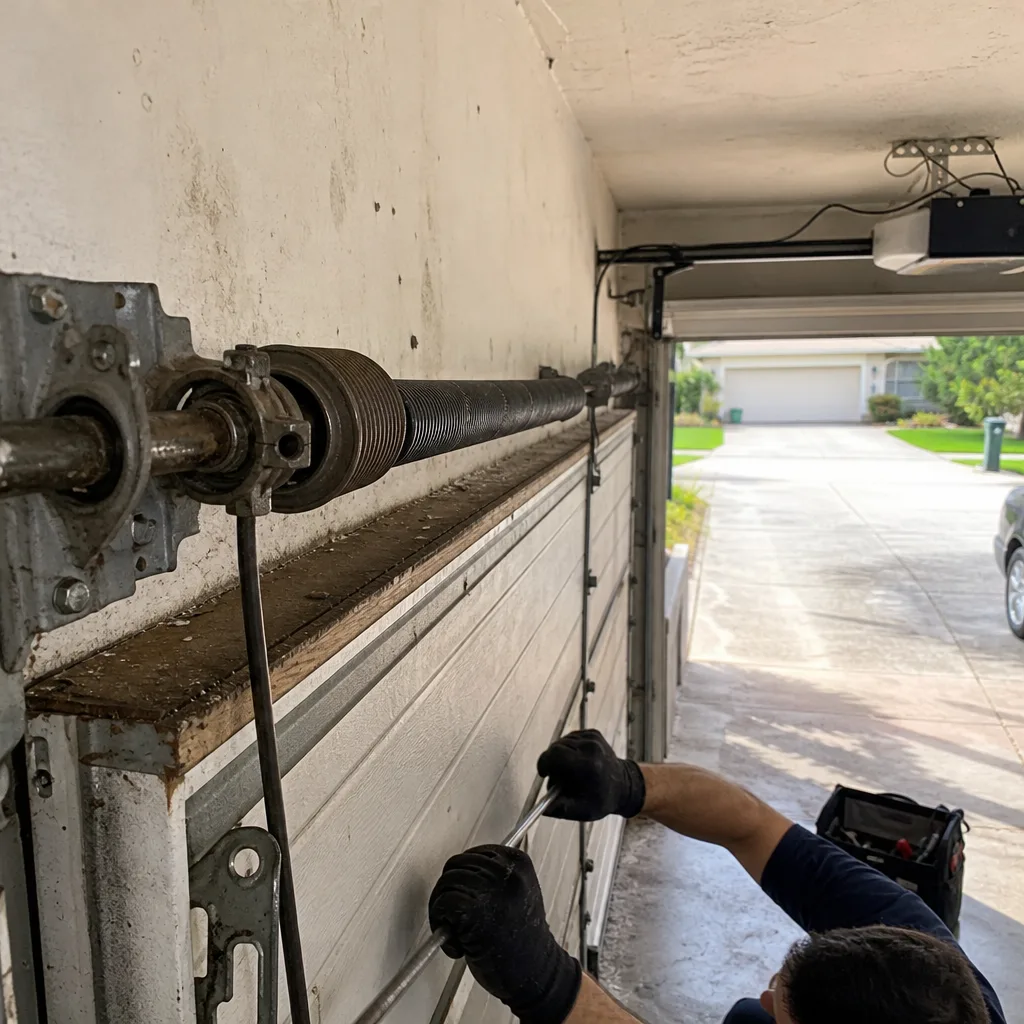 Before
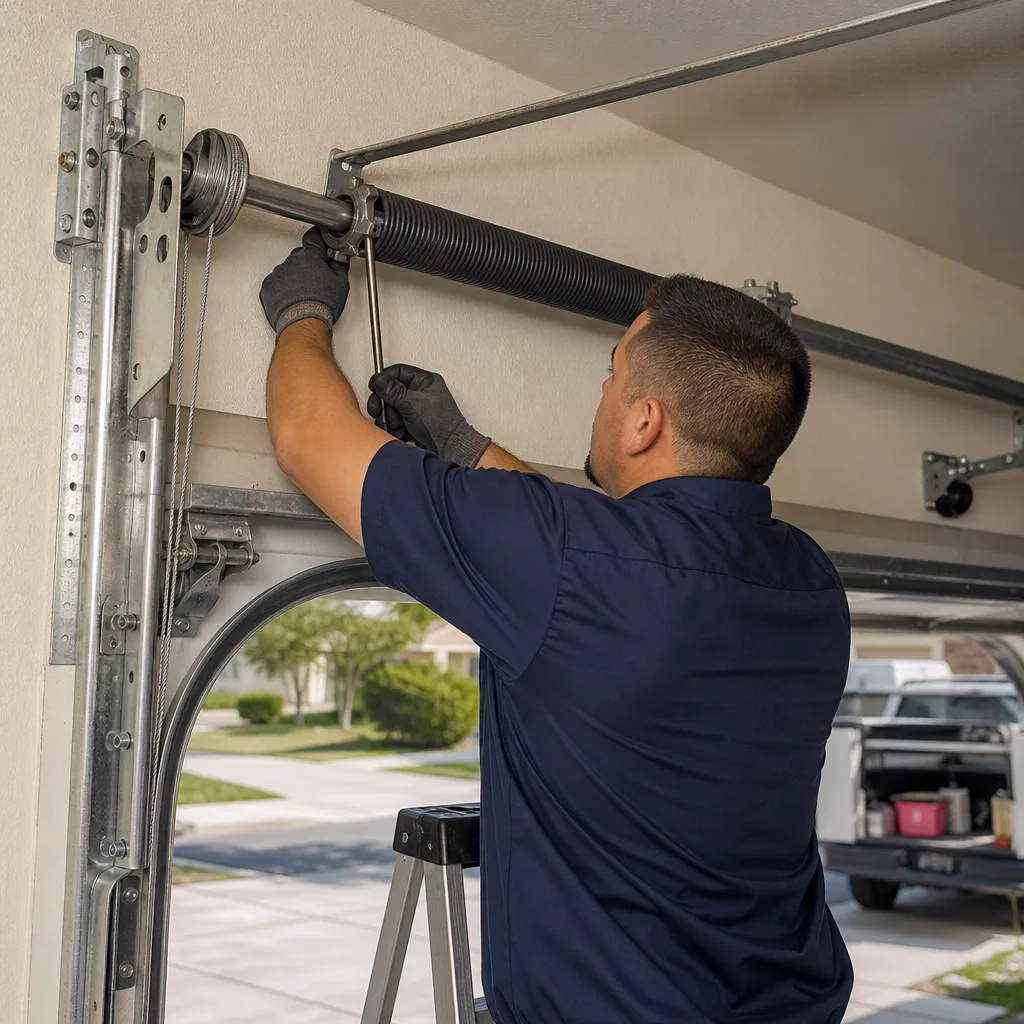 After
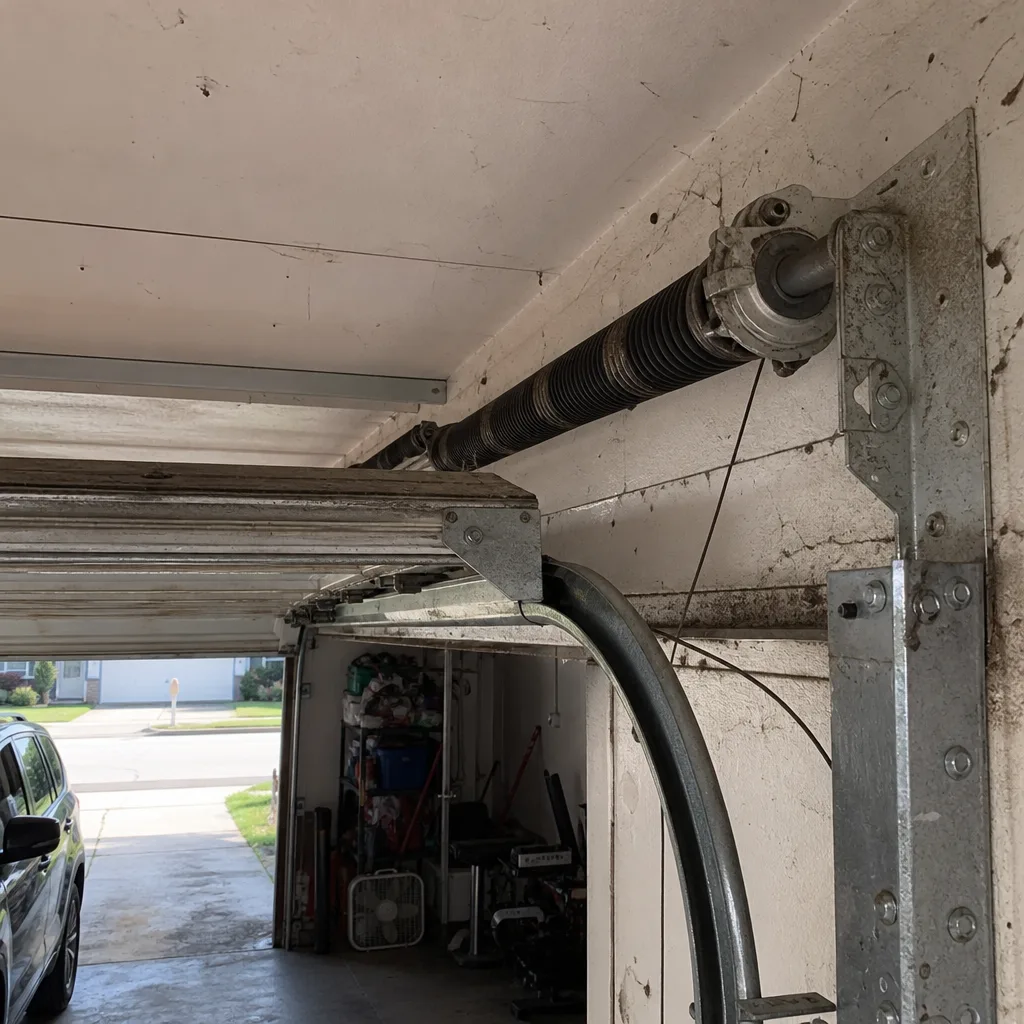 Before
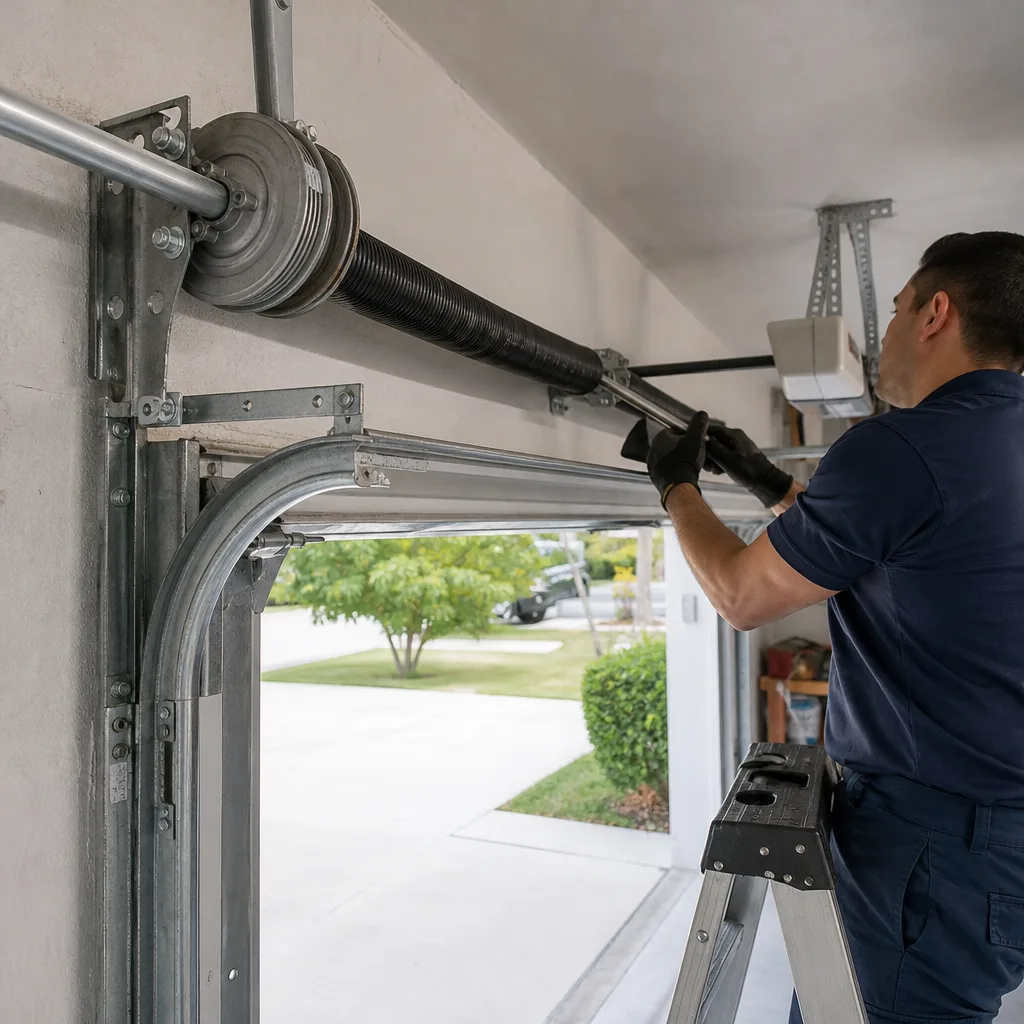 After
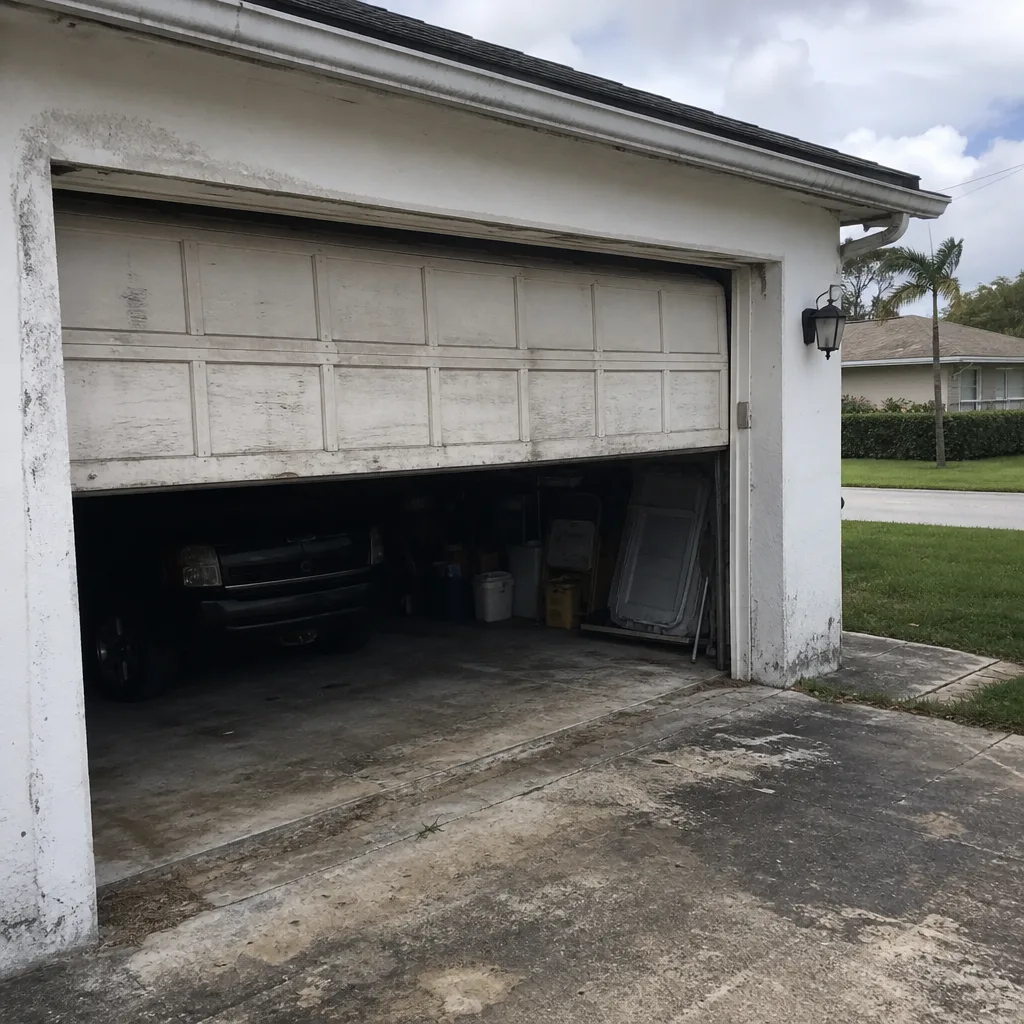 Before
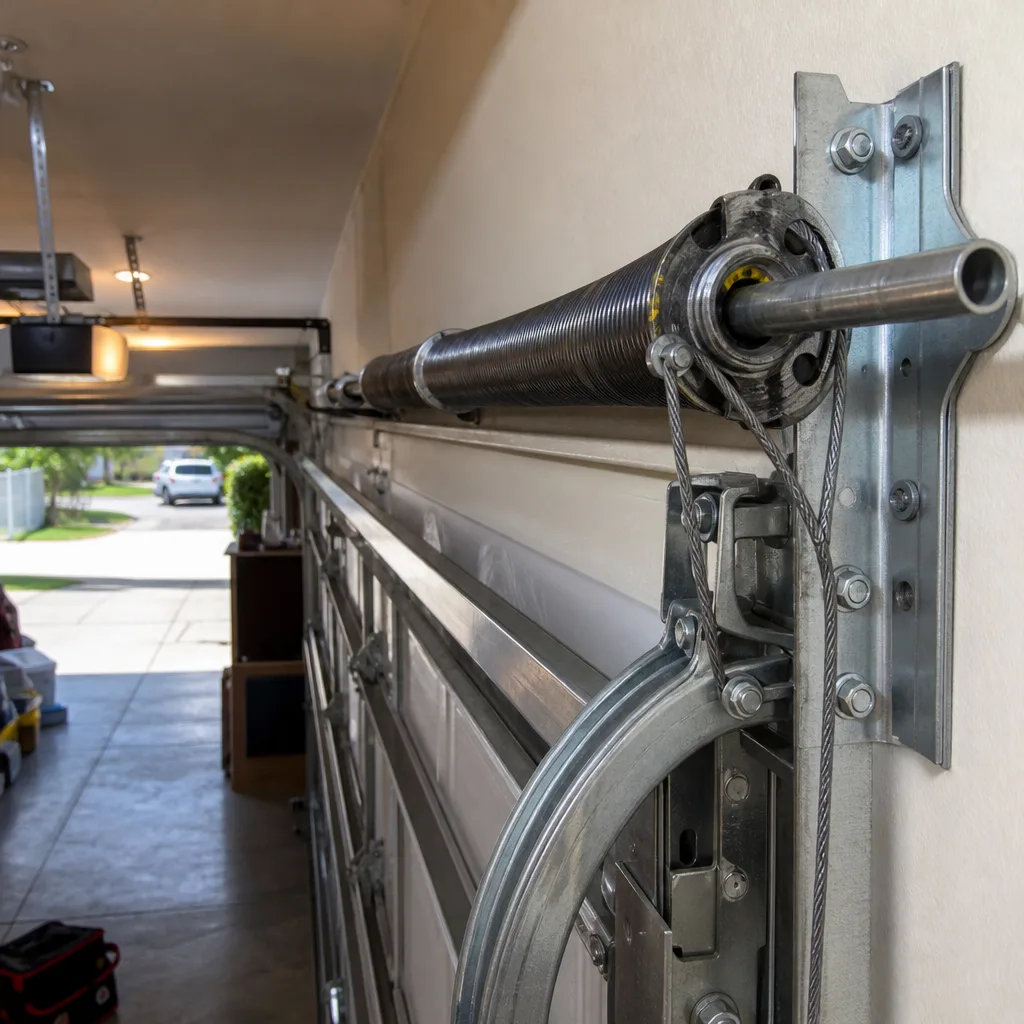 After